Brussels Sprouts, Cabbage, Tomato and Cucumber: Benefits, Research & Safety
Brussels sprouts, cabbage, tomato and cucumber are common vegetables that some supplements include as dried powders or extracts, often in "greens" or "whole food" blends. People take them hoping to add plant compounds such as vitamin K, vitamin C, glucosinolates and lycopene to their routine. Most of the research is on eating the whole vegetables, not on small amounts of powder in a capsule.
Brussels Sprouts, Cabbage, Tomato and Cucumber (Vegetable Blend) Ingredient Guide
Also known as: Brassica oleracea var. gemmifera (Brussels sprouts), Brassica oleracea var. capitata (cabbage), Solanum lycopersicum (tomato), Cucumis sativus (cucumber), vegetable blend, greens powder ingredients
- What it is
- These are four everyday vegetables. Brussels sprouts and cabbage are cruciferous vegetables in the Brassica family. Tomato is a nightshade fruit eaten as a vegetable, and cucumber is a water-rich gourd.
- What it does
- Cruciferous vegetables contain glucosinolates, which the body can convert into compounds such as isothiocyanates. Tomatoes are a major dietary source of the carotenoid lycopene, and cucumber provides mostly water with small amounts of vitamin K and other nutrients. How much of this survives in a powder is often unclear.
- How it is used
- They are usually added to powdered drink mixes or capsules as part of a produce blend. In studies, the focus is mostly on eating whole vegetables or tomato products.
- Natural sources and forms
- Forms include freeze-dried or air-dried powders, juice powders and concentrates. Labels rarely state glucosinolate or lycopene content, so the amount of active compounds is usually unknown. Cooking and processing change these compounds, and cooked tomato products supply more absorbable lycopene than raw tomato.
- Why it appears in formulas
- Makers add them to suggest a "whole food" or "greens" profile and to give a label with familiar produce names. Small amounts in a blend are unlikely to match the nutrients in a real serving of vegetables.
- What to know before use
- Cabbage and Brussels sprouts contain vitamin K, which can affect warfarin, so people on blood thinners should ask their clinician first. Large raw cruciferous intake may also matter for people with thyroid problems or low iodine intake.
What the Research Says
Overall: Limited evidence
Most research looks at diets rich in vegetables, not at supplements made from these four vegetables. Diets high in vegetables are linked with better health overall, but observational studies cannot show that any single vegetable is responsible.
For tomato, the research is mainly on lycopene and tomato products. Reviews of randomized trials on cardiovascular risk factors report conflicting results, with lycopene doses ranging from about 1.4 to 75 mg per day. The US FDA reviewed the evidence on tomatoes and lycopene for cancer and found no credible evidence for a reduced risk of several cancers.
For Brussels sprouts and cabbage, much of the work is laboratory, animal or short-term human studies on glucosinolate breakdown products. Human trials are small and short, and results do not establish health benefits.
For cucumber, there is very little human research. Most claims come from its nutrient and water content or from lab and animal studies.
Overall, the evidence for these ingredients as supplements is limited. Eating the whole vegetables is a better-supported way to get their nutrients than a powder in a blend.
| Studied for | What the research says | Evidence |
|---|---|---|
| Tomato and heart health markers | Systematic reviews of lycopene and tomato products report conflicting results on cardiovascular risk factors. Some reviews favor tomato-based foods over isolated lycopene. | Limited evidence |
| Tomato, lycopene and cancer risk | An FDA review found no credible evidence linking tomato or lycopene intake to reduced risk of several cancers, including prostate, lung and breast. | Limited evidence |
| Cruciferous vegetables (Brussels sprouts, cabbage) and plant compounds | These vegetables supply glucosinolates, vitamin C and vitamin K. Most evidence on their breakdown products comes from lab, animal and small human studies. | Early evidence |
| Cucumber | Cucumber is mostly water with small amounts of nutrients. Human studies of cucumber as a supplement are scarce. | Early evidence |
Did you know? Cooked tomato can deliver more lycopene
Heating and processing tomatoes breaks down cell walls and makes lycopene easier to absorb, especially when eaten with some fat. That is why cooked tomato products are often studied more than raw tomatoes. Eating whole produce also provides fiber that powders may lack.
Amounts Used in Studies
These are amounts researchers used, not dosing advice. Ask your doctor or pharmacist what is right for you.
| Form | Amount | Study context |
|---|---|---|
| Lycopene from tomato products or supplements | about 1.4 to 75 mg/day | Range across trials reviewed for cardiovascular risk factors; results were conflicting |
| Whole vegetables | typical food servings | Most research on cabbage-family vegetables uses food, not supplement powders |
Safety, Side Effects and Interactions
Eaten as food, these vegetables are safe for most people. Cabbage and Brussels sprouts can cause gas and bloating in some people. Tomato can trigger heartburn or reflux in sensitive people. Very high intake of lycopene over a long time has been reported to cause harmless orange skin discoloration (lycopenodermia).
Vitamin K matters for people taking warfarin. Cabbage and Brussels sprouts are rich in vitamin K, and large changes in intake can change how the drug works. Guidance is generally to keep intake steady, not necessarily to avoid them.
Cruciferous vegetables contain goitrogens, which can interfere with iodine uptake in the thyroid. Cooking reduces this, and reviews suggest normal intake is fine when iodine intake is adequate. The concern is mostly very large raw intake combined with low iodine.
Safety data for high-dose concentrated extracts are thin, especially during pregnancy and breastfeeding. Blend powders usually contain small amounts, but the amounts are often not disclosed. Allergy to tomato, or to related foods, is possible.
Possible interactions
- Warfarin: vitamin K in cabbage and Brussels sprouts can lower its effect if intake changes suddenly.
- Thyroid medicines: large amounts of raw cruciferous vegetables may affect iodine uptake, so ask a clinician if you have thyroid disease.
- Blood pressure medicines or potassium-sparing drugs: tomato products contain potassium, which may matter with some kidney or heart medicines.
- Other supplements with vitamin K or lycopene: combined intake may add up.
Avoid it or ask a doctor first if
- Taking warfarin or another vitamin K-sensitive blood thinner, unless your clinician approves
- Have thyroid disease or low iodine intake
- Allergic to tomato or related plants
- Have kidney disease requiring potassium limits
- Pregnant or breastfeeding, for concentrated extracts
- Prone to reflux or gas from these vegetables
Supplements We've Reviewed That Contain Brussels Sprouts, Cabbage, Tomato and Cucumber (Vegetable Blend)
Each review checks the full formula, price, refund policy and side effects.
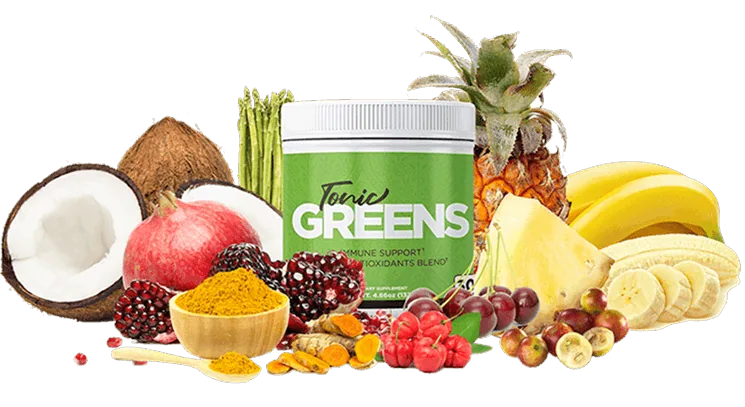
TonicGreens Review: Does This Greens Powder Really Support Immunity?
A daily greens-powder drink mix marketed for immune support, sold through the official website with a 60-day money-back guarantee.
Read the reviewFrequently Asked Questions About Brussels Sprouts, Cabbage, Tomato and Cucumber (Vegetable Blend)
Does Brussels sprouts, cabbage, tomato and cucumber really work?
Eating these vegetables is part of healthy diets, but the evidence for supplements made from them is limited. Most studies use whole foods or isolated lycopene, not blend powders. A capsule or powder with small amounts is unlikely to match a serving of real vegetables.
Is Brussels sprouts, cabbage, tomato and cucumber safe?
As foods, they are safe for most people. Concerns include vitamin K and warfarin, goitrogens for people with thyroid problems or low iodine, and digestive upset. Ask a clinician before using concentrated products if you take medicines or are pregnant.
Can I take these vegetable powders with warfarin?
Cabbage and Brussels sprouts contain vitamin K, which can change how warfarin works. Guidance is to keep your vitamin K intake consistent, and to tell your anticoagulation clinic before starting any new supplement.
Do cruciferous vegetables harm the thyroid?
Reviews suggest normal intake is safe when iodine intake is adequate. Goitrogens are reduced by cooking. People with thyroid disease or low iodine should discuss large raw intakes with a clinician.
Is a vegetable powder as good as eating vegetables?
Not necessarily. Powders often have unknown amounts of active compounds and may lack fiber and other food components. Whole vegetables are the better-supported choice.
Sources
- Ask the doctor: Is it okay to eat leafy greens while taking warfarin? — Harvard Health
- Vitamin K and warfarin interaction review — PubMed
- Lycopene: A Potent Antioxidant with Multiple Health Benefits — PubMed
- Lycopene and cardiovascular risk review — PubMed Central
- Do cruciferous vegetables affect your thyroid? — Vegetarian Resource Group
Last reviewed: