Astaxanthin: Benefits, Research & Safety
Astaxanthin is a red-orange carotenoid pigment found in certain algae and seafood. People take it as an antioxidant supplement, often for skin, eye, exercise or general wellness goals. Human studies exist but are mostly small and short.
Astaxanthin Ingredient Guide
Also known as: Haematococcus pluvialis extract, Haematococcus algae extract, Natural astaxanthin, Xanthophyll carotenoid
- What it is
- Astaxanthin is a fat-soluble carotenoid, a pigment that gives salmon, shrimp and krill their pink-red color. It is made by microalgae and yeast, and the algae-derived form is the one most often sold as a supplement.
- What it does
- It is thought to act as an antioxidant that can neutralize reactive oxygen species and sit within cell membranes. Much of the proposed mechanism comes from lab and animal work, and how well it carries over to people is less certain.
- How it is used
- It is usually taken as a softgel with a meal that contains fat, which helps absorption. People use it for skin appearance, eye strain, exercise recovery and general antioxidant support.
- Natural sources and forms
- Natural astaxanthin is typically extracted from the microalga Haematococcus pluvialis. Other sources are krill oil, yeast and synthetic production. The synthetic form is mainly used in animal feed, and a 2019 safety review advised against direct human use of it until human trials exist. Products are usually labeled by milligrams of astaxanthin per softgel.
- Why it appears in formulas
- Makers add it to formulas for skin, eye, joint, heart-health or antioxidant blends because it is a well-known carotenoid with a growing body of small human trials. It is also used for its natural color and marketing appeal.
- What to know before use
- Check with a doctor or pharmacist first if you take blood thinners, blood pressure or diabetes medicines, or if you are pregnant or breastfeeding. Long-term safety data are limited.
What the Research Says
Overall: Limited evidence
Human research on astaxanthin is real but modest. A review of human clinical trials of natural astaxanthin (published in 2021) and a 2019 safety review covering dozens of trials together describe more than 2,000 participants. Most of these studies were small, ran for weeks to a few months, and varied in quality. Many were funded by or linked to supplement makers, and results for the same outcome are not always consistent.
The areas with the most human data are skin appearance, eye fatigue, exercise performance and recovery, and markers such as cholesterol, blood sugar and oxidative stress. Some trials report small improvements in some of these measures. Others find no clear benefit. Many results are changes in lab markers, not in how people feel or in health outcomes.
Large, long, independent trials are mostly missing. Much of the exciting evidence on liver, brain, heart and joint effects comes from cell and animal studies, which cannot show that the same effects occur in people. Overall, astaxanthin may support some health markers, but it has not been shown to prevent or treat any disease.
| Studied for | What the research says | Evidence |
|---|---|---|
| Skin appearance | Some small trials in adults report modest changes in skin moisture, elasticity or wrinkles, and in how skin responds to sun exposure. Study sizes are small, and it does not replace sunscreen. | Limited evidence |
| Eye strain and eye comfort | A few short trials looked at eye fatigue from screen use and focusing, with some reporting improvements in comfort. Evidence is early and not consistent. | Early evidence |
| Exercise and recovery | Studies in active people looked at endurance, muscle damage markers and oxidative stress. Results are mixed, and many trials were small. | Limited evidence |
| Blood lipids and blood sugar | Some trials report small shifts in triglycerides, HDL cholesterol or blood sugar markers. Findings vary between studies and are not a substitute for medical care. | Limited evidence |
| Liver and other organ health | Reviews describe promising effects in cell and animal models of liver stress. Human evidence is thin, so these are research ideas rather than established benefits. | Early evidence |
Did you know? Why salmon is pink
Salmon, shrimp and flamingos get their pink-red color from astaxanthin they take in through the food chain, starting with microalgae. Algae make more of the pigment when they are stressed, such as under strong light or low nutrients. That is why commercial growers use controlled stress conditions to produce it.
Amounts Used in Studies
These are amounts researchers used, not dosing advice. Ask your doctor or pharmacist what is right for you.
| Form | Amount | Study context |
|---|---|---|
| Natural astaxanthin from Haematococcus algae (softgel) | About 4 to 12 mg/day | Typical range in many trials lasting several weeks to a few months, mostly in healthy adults |
| Natural astaxanthin, higher amounts | Up to about 20 to 50 mg/day | Used in a smaller number of short studies and reported as tolerated, though the upper safe limit has not been established |
Safety, Side Effects and Interactions
In a 2019 review of human trials of natural astaxanthin, researchers found no serious adverse events and no signs of liver toxicity. They concluded there appeared to be no safety concerns at levels of at least 12 mg/day. The most noted effect was reddish stool at high amounts. Other reported effects are generally mild and uncommon, such as stomach upset. Skin pigmentation (a yellow or orange tint) has been described at high intake.
There are limits to this record. The trials were mostly short, and quality varied. Long-term safety across many years is not well studied. Safety in children, pregnancy and breastfeeding has not been established. The safety conclusions apply to natural algae-derived astaxanthin, and synthetic astaxanthin has not been tested for direct human use. Astaxanthin was not found in the sources I checked at MedlinePlus, the NIH Office of Dietary Supplements or LiverTox, so there is no formal reference monograph from those groups. Supplement quality can also differ between products.
Possible interactions
- Blood thinners and antiplatelet drugs: some sources suggest astaxanthin may have mild effects on platelets, so ask a clinician. Strong clinical evidence for this interaction is lacking.
- Blood pressure medicines: astaxanthin may lower blood pressure slightly in some studies, so combined effects are possible.
- Diabetes medicines: it may affect blood sugar markers, so monitoring may be needed.
- Cholesterol-lowering drugs: effects on blood lipids have been reported, though formal interaction studies are lacking.
- Other carotenoid or antioxidant supplements: combined intake is not well studied.
Avoid it or ask a doctor first if
- Pregnant or breastfeeding
- Giving it to children without medical advice
- Taking blood thinners or antiplatelet medicines
- Taking blood pressure or diabetes medicines
- Scheduled for surgery soon
- Allergic to algae, shellfish or krill (depending on source)
Supplements We've Reviewed That Contain Astaxanthin
Each review checks the full formula, price, refund policy and side effects.
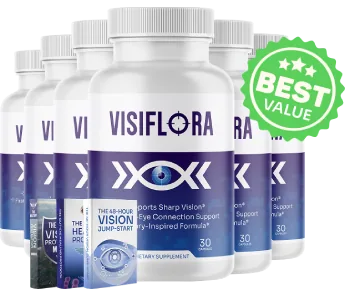
VisiFlora Review: Is This Gut-Eye Supplement Legit or Worth Buying?
A 22-ingredient eye-vitamin-style supplement marketed around a gut-eye connection, sold only through the official website.
Read the reviewFrequently Asked Questions About Astaxanthin
Does astaxanthin really work?
Research suggests it may support some outcomes, such as skin appearance, eye comfort and exercise recovery. But most human trials are small and short, and results are mixed. It is not proven to prevent or treat any disease.
Is astaxanthin safe?
Natural astaxanthin has been well tolerated in trials, with no serious adverse events reported in a 2019 review. Mild effects such as reddish stool or upset stomach can occur. Long-term data are limited, so talk to a clinician if you take medicines or have a health condition.
What is the difference between natural and synthetic astaxanthin?
Natural astaxanthin comes mainly from Haematococcus algae, and most human trials used it. Synthetic astaxanthin is made chemically and is mostly used in fish feed. A 2019 safety review said it should not be used directly by people until human trials are done.
Should I take astaxanthin with food?
It is fat-soluble, so studies and manufacturers commonly suggest taking it with a meal that contains some fat, which may help absorption. Follow the product label and ask a clinician for personal guidance.
How long does astaxanthin take to show effects?
Most studies ran for several weeks to a few months before measuring any change. Effects, if any, are likely modest and vary between people. Results from trials may not apply to every product.
Sources
- Therapeutic uses of natural astaxanthin: An evidence-based review focused on human clinical trials — PubMed
- Safety review backs natural astaxanthin, but holds off on synthetic forms — NutraIngredients-USA
- Astaxanthin in Liver Health and Disease: A Potential Therapeutic Agent — PubMed
- What is Astaxanthin? — Examine.com
- Astaxanthin — National Cancer Institute drug dictionary
Last reviewed: