Artichoke Extract: Benefits, Research & Safety
Artichoke extract is made from the leaves of the artichoke plant (Cynara scolymus). People take it mainly for digestive comfort and cholesterol, and it is often added to 'liver support' blends. Human research exists but is mixed in quality, and many claims go beyond what studies show.
Artichoke Extract Ingredient Guide
Also known as: Artichoke, Artichoke leaf extract, Cynara, Cynara scolymus, Cynara cardunculus var. scolymus, Globe artichoke
- What it is
- A concentrated extract, usually from artichoke leaves, that contains plant compounds such as caffeoylquinic acids (including cynarin and chlorogenic acid) and flavonoids like luteolin.
- What it does
- It is thought to stimulate bile flow and have antioxidant effects, and it may slightly affect how the body handles cholesterol. Most of the mechanism work comes from lab and animal studies.
- How it is used
- Taken by mouth as capsules, tablets or liquid, usually daily with meals. It is also used in digestive and 'liver' formulas.
- Natural sources and forms
- The leaf is the usual source, although the edible flower bud is the familiar vegetable. Extracts differ in strength and are sometimes standardized to caffeoylquinic acids or cynarin, so products are not interchangeable.
- Why it appears in formulas
- Makers add it for its traditional reputation as a digestive and bile-supporting herb and for cholesterol-related research. It also lets a product claim a 'liver support' angle.
- What to know before use
- Do not use it if you have gallstones or a blocked bile duct, or if you are allergic to artichoke, inulin, or daisy-family plants (ragweed, chrysanthemum, marigold), without asking a doctor first.
What the Research Says
Overall: Limited evidence
Human research on artichoke leaf extract is real but modest. Several small to mid-sized randomized trials have looked at cholesterol, and a meta-analysis of about 9 trials with roughly 700 participants reported lower total and LDL cholesterol on average. Results for HDL cholesterol are inconsistent, and the trials differ in extract type, amount and length.
One larger placebo-controlled trial (247 people with functional dyspepsia, 6 weeks) reported better symptoms and quality of life. This is the strongest digestive evidence, but it is a single study using a particular extract.
For the liver, a few small trials in people with fatty liver reported improved liver enzymes. Reviewers note small samples, short durations and varying extracts, and much of the 'liver protection' evidence comes from animal and test-tube work. A blood pressure meta-analysis found no clear overall effect.
Overall: research suggests possible modest benefits for cholesterol and digestive discomfort, but the studies are small and varied. It should not be seen as a treatment for any condition. Note that some of the search summaries used here were secondary sources, so the figures above should be checked against the original papers.
| Studied for | What the research says | Evidence |
|---|---|---|
| Cholesterol | A meta-analysis of about 9 randomized trials reported lower total and LDL cholesterol versus control. Trials were small and varied, and HDL results were inconsistent. | Moderate evidence |
| Indigestion (functional dyspepsia) | One double-blind placebo-controlled trial of 247 people found improved symptoms and quality of life after 6 weeks. It has not been widely replicated. | Limited evidence |
| Liver markers in fatty liver | Small trials reported lower liver enzymes in people with fatty liver. Reviewers cite small samples, short durations and mixed extracts, so this is early. | Early evidence |
| Blood pressure | A meta-analysis found no clear overall effect on blood pressure. | Limited evidence |
Did you know? Leaf versus vegetable
The artichoke you eat is the flower bud, but most supplement research uses extract from the leaves. The leaves are bitter and are rarely eaten, so concentrated extracts are not the same as eating artichoke as food.
Amounts Used in Studies
These are amounts researchers used, not dosing advice. Ask your doctor or pharmacist what is right for you.
| Form | Amount | Study context |
|---|---|---|
| Leaf extract (varied standardization) | About 500-1,800 mg/day | Typical range in cholesterol and digestive trials lasting roughly 6-12 weeks; products and extracts differ |
| Extract in safety reporting | Up to 3,200 mg/day | Reported as used for up to 12 weeks in studies summarized by a clinical database |
Safety, Side Effects and Interactions
Artichoke leaf extract is generally well tolerated in short-term studies, with use up to 12 weeks reported. Most side effects are mild and digestive: abdominal discomfort, gas, diarrhea, nausea or increased hunger. Rare reports include facial flushing and sweating.
Allergic reactions can occur, especially in people sensitive to the daisy (Asteraceae) family, including ragweed, chrysanthemums, marigolds and daisies, and in people with inulin allergy. Because it can stimulate bile flow, it may cause pain in people with gallstones or bile duct obstruction.
Long-term safety data are limited. Evidence on pregnancy and breastfeeding is insufficient, so many product labels advise checking with a healthcare professional first. I could not retrieve a LiverTox entry for this review, so liver-injury information is not confirmed from that source. Stop use and seek care for severe abdominal pain, yellowing of skin or eyes, or allergic symptoms.
Possible interactions
- Theoretical: may add to the effect of diabetes medicines and lower blood sugar further.
- Theoretical: may add to the effect of blood pressure medicines.
- May affect bile flow, so check with a clinician if you take gallbladder or bile-related medicines.
- Interaction data are limited and mostly theoretical; tell your pharmacist about all supplements and medicines.
Avoid it or ask a doctor first if
- Gallstones or bile duct obstruction
- Allergy to artichoke, inulin, or daisy-family plants (ragweed, chrysanthemum, marigold)
- Pregnant or breastfeeding (not enough safety data)
- Taking diabetes or blood pressure medicine (ask a doctor first)
- Existing liver or gallbladder disease
- Scheduled for surgery or any planned procedure (tell your care team)
Supplements We've Reviewed That Contain Artichoke Extract
Each review checks the full formula, price, refund policy and side effects.
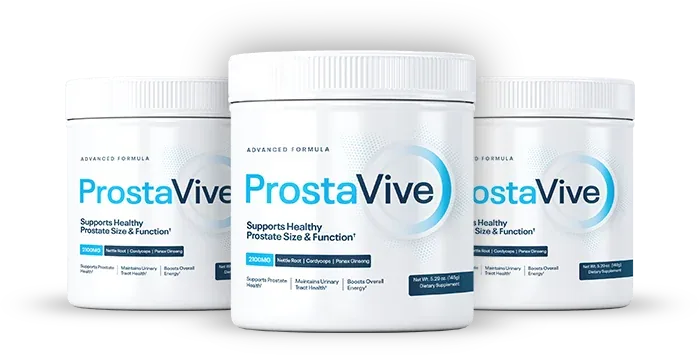
ProstaVive Review: Is It Legit or Just Hype for Prostate Support?
Men's prostate-support supplement sold on the official website with bulk-pack pricing and a 180-day refund claim; its health claims go well beyond the evidence shown on the page.
Read the review
Liv Pure Review: Does It Really Help You Lose Fat Overnight?
Liver-focused supplement promoted through a video-only sales page with unverified overnight fat-loss claims.
Read the review
Finessa Review: Is This Digestive Supplement Legit or Worth the Price?
A multi-herb and probiotic digestive supplement sold on the official website, claimed to support regularity, bile flow, and a flatter belly.
Read the reviewFrequently Asked Questions About Artichoke Extract
Does Artichoke Extract really work?
Research suggests it may modestly lower cholesterol and ease indigestion symptoms in some people. The studies are small, use different extracts, and are not conclusive. Claims about detox or liver repair are not well supported in humans.
Is Artichoke Extract safe?
It is generally well tolerated for up to about 12 weeks, with mild digestive upset the most common issue. People with gallstones, bile duct blockage, or daisy-family or inulin allergy should avoid it, and anyone on medications or pregnant should ask a clinician first.
Can artichoke extract help with liver health?
It is often marketed that way, but the evidence is mostly from animal studies and a few small human trials that looked at liver enzymes in fatty liver. It has not been shown to treat or protect against liver disease.
How long does it take to see an effect?
Studies on cholesterol and digestion generally ran 6 to 12 weeks, so any effect would be measured over weeks, not days. Individual responses vary, and cholesterol changes need a blood test to know.
Is the extract the same as eating artichokes?
No. Supplements concentrate compounds from the leaves, while eating the bud provides fiber and nutrients in much smaller amounts of those compounds. Study results on extracts do not automatically apply to the food.
Sources
- Pharmacological Studies of Artichoke Leaf Extract and Their Health Benefits — PubMed (Plant Foods for Human Nutrition)
- Artichoke as a dietary supplement — EBSCO Research Starters
- Artichoke — WebMD ingredient monograph
- Artichoke extract — Medical News Today
- Artichoke — Michigan Medicine Health Library
Last reviewed: