White Willow Bark: Benefits, Research & Safety
White willow bark is the bark of the white willow tree (Salix alba) and related willow species. It contains salicin, a compound chemically related to aspirin. People take it mainly for back and joint aches and general discomfort.
White Willow Bark Ingredient Guide
Also known as: Willow bark, Salix alba, Salicin-containing willow extract
- What it is
- White willow bark comes from the white willow tree, Salix alba. Other willow species, such as purple willow, are sometimes used in extracts too.
- What it does
- Its salicin is converted in the body to salicylic acid, which may reduce inflammation-related pain signals. Other plant compounds, such as flavonoids and polyphenols, may also contribute.
- How it is used
- It is taken by mouth as capsules, tablets, teas or liquid extracts, usually for aches and pains. Products are typically labeled by their salicin content.
- Natural sources and forms
- The bark is dried and powdered, or extracted with alcohol or water. Better-studied extracts are standardized to a stated amount of salicin.
- Why it appears in formulas
- Makers add it as a plant-based option in joint, back and general comfort blends. It is often described as a natural counterpart to aspirin.
- What to know before use
- Because it is related to aspirin, avoid it if you are sensitive to aspirin or other salicylates. Talk to a clinician first if you take blood thinners or NSAIDs.
What the Research Says
Overall: Limited evidence
The human research on white willow bark is small and mostly short-term. The best-known trial enrolled 210 people with flare-ups of low back pain. A 2009 systematic review found moderate evidence for alcohol-based willow bark extract in low back pain. A Cochrane review of herbal medicines for low back pain also found moderate evidence for short-term pain improvement.
For osteoarthritis, results are inconsistent. Some randomized trials found a pain-relieving effect over placebo, and others found no significant benefit. Studies use different extracts and salicin levels, so they are hard to compare. Most trials last only a few weeks, so little is known about long-term use.
There is also little good evidence for other common marketing claims, such as fever, headache or weight management. Laboratory and animal findings on inflammation do not prove the same effects in people. Overall, the evidence is promising for short-term back pain but limited elsewhere.
| Studied for | What the research says | Evidence |
|---|---|---|
| Low back pain | Short randomized trials of standardized extract found more people with less pain than on placebo. Reviews rate the evidence as moderate for short-term use. | Moderate evidence |
| Osteoarthritis pain | Results are mixed. Some trials showed a pain benefit over placebo and others did not. | Limited evidence |
| Rheumatoid arthritis | Very few studies exist, and they do not support firm conclusions. | Early evidence |
| Fever and headache | These are traditional uses. Good human trials are lacking. | Early evidence |
Did you know? The bark that led to aspirin
Willow bark has been used for pain for centuries. Its salicin was among the compounds that led chemists to develop aspirin in the 1800s. Modern willow bark extracts contain far less salicylate than a typical aspirin tablet.
Amounts Used in Studies
These are amounts researchers used, not dosing advice. Ask your doctor or pharmacist what is right for you.
| Form | Amount | Study context |
|---|---|---|
| Willow bark extract standardized to salicin | About 120 mg to 240 mg salicin per day | Trials of up to about 4 to 6 weeks, mainly in low back pain and arthritis |
Safety, Side Effects and Interactions
In studies, willow bark was generally tolerated, and side effects were usually mild. The most reported were stomach upset, nausea, heartburn and rash. Because it is related to aspirin, it may cause aspirin-like effects, including stomach irritation in some people. Allergic reactions are possible, and one trial participant had a severe allergic reaction that may have been due to the extract.
Willow bark may slow blood clotting. MedlinePlus advises stopping it at least 2 weeks before scheduled surgery. Long-term safety has not been well studied, and the salicin content of products can vary. Safety in pregnancy and breastfeeding has not been established, and children and teens should avoid it because salicylates are linked to Reye syndrome.
Possible interactions
- Blood thinners such as warfarin and antiplatelet drugs may raise bleeding risk.
- NSAIDs and aspirin may add to its effects and side effects, so combining them is generally discouraged.
- Other salicylate-containing herbs, such as meadowsweet, poplar, aspen and black haw, may add up.
- Drugs affecting the kidneys or blood pressure, or methotrexate, may interact with salicylates, so ask a pharmacist.
Avoid it or ask a doctor first if
- Allergy or sensitivity to aspirin or other salicylates
- Taking blood thinners or antiplatelet drugs without medical advice
- Bleeding disorders or stomach ulcers
- Scheduled surgery within 2 weeks
- Pregnant or breastfeeding
- Children and teens, especially with a viral illness
- Kidney or liver disease, or asthma sensitive to aspirin
Supplements We've Reviewed That Contain White Willow Bark
Each review checks the full formula, price, refund policy and side effects.
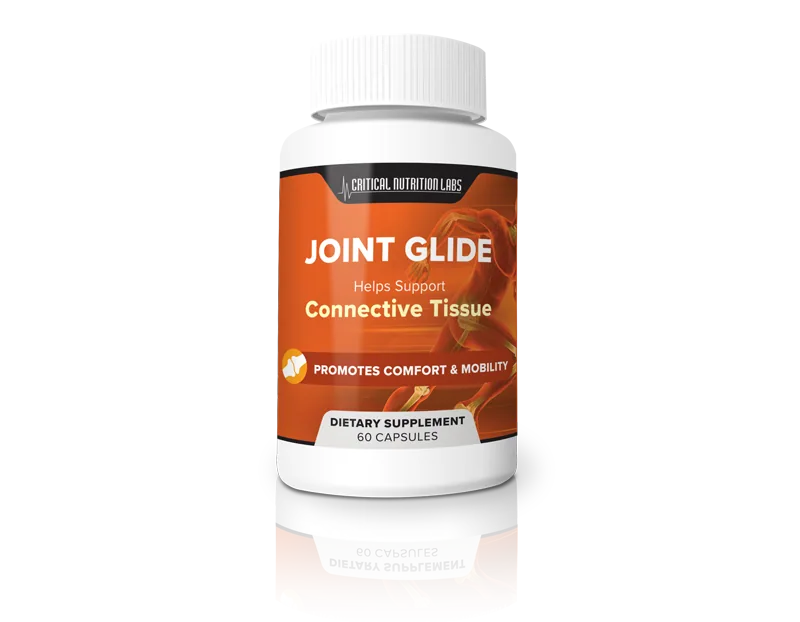
Joint Glide Review: Does It Really Work for Joint Pain?
A joint-health capsule supplement sold only through the official website, promoted with claims that a 'rust enzyme' (MMP) causes joint pain.
Read the reviewFrequently Asked Questions About White Willow Bark
Does white willow bark really work?
Research suggests it may help short-term low back pain, based on a few randomized trials. Results for osteoarthritis are mixed, and evidence for other uses is limited. It should not be considered a replacement for medical care.
Is white willow bark safe?
It is generally tolerated for short periods at amounts used in studies. It can cause stomach upset, rash and allergic reactions, and it may increase bleeding risk. People with aspirin sensitivity, children and pregnant women should avoid it.
Is white willow bark the same as aspirin?
No. It contains salicin, which the body converts to salicylic acid, but it is a plant extract with other compounds. It is not known to give the same blood-thinning heart protection as aspirin, and it can carry similar risks.
Can I take white willow bark with ibuprofen or aspirin?
This is generally discouraged because the effects and side effects may add up. Ask a doctor or pharmacist before combining them.
How long does white willow bark take to work?
In studies, effects were assessed after about 4 weeks, and some people noticed changes sooner. Long-term effects are not well studied, and individual responses vary.
Sources
- A systematic review on the effectiveness of willow bark for musculoskeletal pain — PubMed
- Efficacy and Safety of White Willow Bark (Salix alba) Extracts — PubMed
- Herbal medicine for low back pain: a Cochrane review — PubMed
- Treatment of low back pain exacerbations with willow bark extract: a randomized double-blind study — PubMed
- Willow bark — Memorial Sloan Kettering Cancer Center
Last reviewed: