Vitamins B12, B6, and B1: Benefits, Research & Safety
Vitamins B12 (cobalamin), B6 (pyridoxine) and B1 (thiamin) are water-soluble B vitamins the body needs to turn food into energy and to maintain nerves and blood cells. People take them in combination to cover diet gaps or because they hope to support energy and nerve health. They matter most for people who are low in them, and the research on benefits in well-nourished adults is much weaker.
Vitamins B12, B6, and B1 Ingredient Guide
Also known as: cobalamin, cyanocobalamin, methylcobalamin, pyridoxine, pyridoxal 5'-phosphate, thiamin, thiamine, benfotiamine, B-complex
- What it is
- B12, B6 and B1 are essential water-soluble vitamins found in foods and supplements. They are often sold together in B-complex or nerve-support products.
- What it does
- They act as helpers (coenzymes) in reactions that release energy from food, make red blood cells and neurotransmitters, and process homocysteine. B12 and B6 work with folate in the homocysteine pathway.
- How it is used
- People use them to cover low dietary intake, such as with vegan diets, older age or some medicines. They are also marketed for energy, mood and nerve comfort, which the research does not clearly support in people who already get enough.
- Natural sources and forms
- B12 comes from animal foods and fortified foods; common supplement forms are cyanocobalamin and methylcobalamin. B6 comes from fish, poultry, potatoes and fortified cereals, and B1 from whole grains, pork and fortified breads. Supplements use pyridoxine or pyridoxal phosphate for B6, and thiamin mononitrate, thiamin hydrochloride or benfotiamine for B1.
- Why it appears in formulas
- Makers add them because they are inexpensive, widely recognized and linked to energy metabolism and nerve function. Combining them is also common in nerve-health and energy products.
- What to know before use
- Check the B6 amount on the label, because long-term high intakes can damage nerves. Also talk to a clinician first if you take metformin or acid-reducing medicines, or if you suspect a deficiency, since low B12 needs proper testing.
What the Research Says
Overall: Moderate evidence
The evidence is strong that these vitamins are essential and that deficiency causes real harm. For example, low B12 can cause anemia and nerve problems, and severe low B1 causes beriberi and Wernicke-Korsakoff syndrome. Supplements work well to correct a deficiency, and B12 supplements or fortified foods are recommended for older adults and people on vegan diets, who may absorb or obtain too little.
The picture is weaker for people who are not deficient. The NIH Office of Dietary Supplements says B12 does not boost energy in people who already get enough. B vitamins (B12, B6 and folate) lower blood homocysteine, but large trials have not clearly shown that this prevents heart attacks or strokes. Cognition trials have been mixed and mostly small or short. Thiamin and its derivative benfotiamine are being studied for diabetes-related nerve problems, heart failure and Alzheimer's, but benefits there remain unproven. Overall, most human data come from deficiency correction or from trials of single vitamins or folate combinations, so evidence for a three-vitamin combination in healthy adults is limited.
| Studied for | What the research says | Evidence |
|---|---|---|
| Correcting deficiency | B12, B6 and B1 supplements reliably raise low blood levels and reverse deficiency problems such as B12-related anemia, though nerve damage may not fully recover. | Strong evidence |
| Homocysteine levels | B12 with B6 and folate lowers blood homocysteine, but trials have not clearly shown fewer heart attacks or strokes as a result. | Moderate evidence |
| Energy and fatigue | B vitamins do not appear to add energy in people with adequate intake; benefit is mainly seen when a person is deficient. | Limited evidence |
| Nerve symptoms | Thiamin (including benfotiamine) and B12 have been studied for diabetes-related nerve discomfort, with small and mixed results. | Early evidence |
| Memory and thinking | Trials of B vitamins for cognitive decline in older adults have given mixed results, with some suggestion of benefit mainly in people with high homocysteine or low B12. | Limited evidence |
Did you know? Low B12 can hide behind folate
Taking large amounts of folic acid can correct the anemia caused by low B12 while the nerve damage continues. This is one reason deficiency should be diagnosed with testing rather than guessed. Vegans, adults over 50 and people on metformin are among those most often checked.
Amounts Used in Studies
These are amounts researchers used, not dosing advice. Ask your doctor or pharmacist what is right for you.
| Form | Amount | Study context |
|---|---|---|
| Oral B12 (cyanocobalamin) for low levels | about 500 to 2,000 mcg/day | Used in studies correcting B12 deficiency in older adults and people taking metformin |
| Vitamin B6 (pyridoxine) in combination trials | about 10 to 50 mg/day | Used alongside B12 and folate in homocysteine-lowering trials |
| Thiamin or benfotiamine | about 100 to 600 mg/day | Used in small, short trials in people with diabetes-related nerve issues or heart failure |
Safety, Side Effects and Interactions
B12 and B1 have a very good safety record. The NIH Office of Dietary Supplements reports that neither has been shown to cause harm at high intakes, and neither has an established upper limit. Rare effects include skin reactions or acne-like breakouts with B12, and rare allergic reactions with injected thiamin.
B6 is different. Long-term intake of high amounts can cause peripheral neuropathy (numbness, tingling, balance problems), and this is well established. The US upper limit for adults is 100 mg a day, though regulators differ: some European and UK bodies advise far lower amounts, and occasional cases have been reported at 100 to 300 mg a day. Symptoms usually improve after stopping, but recovery can be slow. Check labels, since B6 also appears in multivitamins, energy drinks and other products, so totals add up.
People with kidney disease, pregnancy, or serious health conditions should use supplements only on medical advice.
Possible interactions
- Metformin may lower B12 absorption and blood levels over time.
- Acid-reducing drugs (proton pump inhibitors, H2 blockers) may reduce absorption of B12 from food.
- High-dose B6 may reduce the effect of levodopa when taken without carbidopa, and may interact with some seizure medicines such as phenytoin.
- Loop diuretics such as furosemide may lower thiamin levels with long-term use.
- Some other medicines, such as certain chemotherapy drugs, can interact with B vitamins, so tell your care team about all supplements.
Avoid it or ask a doctor first if
- You have had numbness or tingling and take high-dose B6
- You have Leber's hereditary optic neuropathy (avoid cyanocobalamin; ask a doctor)
- You are allergic to cobalamin, cobalt or any ingredient in the product
- You are pregnant or breastfeeding and the product has high doses (ask a clinician)
- You have kidney disease or take levodopa, phenytoin or metformin (ask a doctor first)
Supplements We've Reviewed That Contain Vitamins B12, B6, and B1
Each review checks the full formula, price, refund policy and side effects.
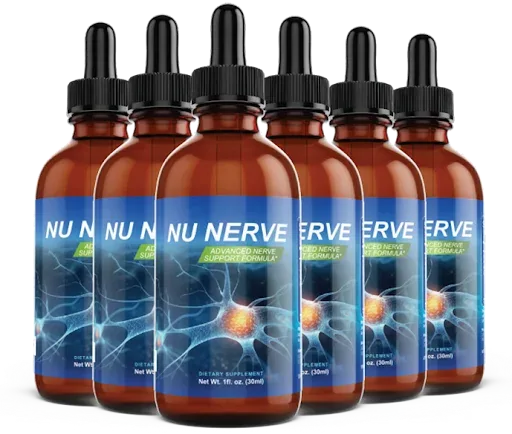
Nu Nerve Review: Does This Nerve Health Supplement Really Work?
A multi-ingredient nerve health supplement sold through the official website with multi-month packages and a 60-day money-back guarantee.
Read the reviewFrequently Asked Questions About Vitamins B12, B6, and B1
Does Vitamins B12, B6, and B1 really work?
They work well for correcting a deficiency, which is the best-supported use. In people who already get enough, evidence for added energy, mood or heart benefits is limited or mixed. Results depend on your starting levels.
Is Vitamins B12, B6, and B1 safe?
At typical label amounts these vitamins are generally well tolerated. B12 and B1 have no known harm from high intakes, but long-term high-dose B6 can cause nerve damage. Ask a clinician if you take medicines, are pregnant, or have a health condition.
Who is most likely to be low in these vitamins?
B12 is the most commonly low, especially in vegans, adults over 50, people with pernicious anemia or digestive conditions, and long-term metformin or acid-reducer users. Thiamin can run low with heavy alcohol use, and B6 with some conditions. A blood test can check.
Is methylcobalamin better than cyanocobalamin?
Both forms raise B12 levels, and the NIH notes that research has not shown a meaningful difference in effectiveness. Cyanocobalamin is the most widely studied, and methylcobalamin is mostly a matter of preference.
Can I get enough from food?
Many people can. Fish, meat, eggs and dairy provide B12 and B6, and whole grains, pork and fortified cereals supply thiamin. Vegans and people over 50 are usually advised to rely on fortified foods or supplements for B12.
Sources
- Vitamin B12: Consumer fact sheet — NIH Office of Dietary Supplements
- Thiamin: Consumer fact sheet — NIH Office of Dietary Supplements
- Vitamin B-12 — Mayo Clinic
- Vitamin B12 — MedlinePlus
- Scientific opinion on the tolerable upper intake level for vitamin B6 — EFSA (PMC)
- High-dose vitamin B6 and risk of peripheral neuropathy — Health Sciences Authority (Singapore)
Last reviewed: