Tamarind: Benefits, Research & Safety
Tamarind is the sticky, tangy fruit pod of the tropical tree Tamarindus indica. It is a common food ingredient. In supplements, the seed or pulp is used in extracts that people take for joint comfort and general wellness. Research on tamarind supplements is early and mostly involves proprietary seed-extract blends.
Tamarind Ingredient Guide
Also known as: Tamarindus indica, Indian date, Tamarind seed extract, Tamarind pulp
- What it is
- Tamarind is the pod-like fruit of Tamarindus indica, a tree grown in tropical regions. The brown pulp is eaten as food, and the seeds are used to make extracts.
- What it does
- Tamarind seed contains polyphenols and polysaccharides that are thought to have antioxidant and anti-inflammatory activity. Most of this idea comes from lab and animal work, and it is not firmly established in people.
- How it is used
- The pulp is used in cooking, drinks and sweets. Seed extracts are taken as capsules, usually for joint comfort.
- Natural sources and forms
- Forms include the fruit pulp, powdered pulp, and seed extracts. Some seed extracts are standardized and sold as proprietary blends, often paired with turmeric.
- Why it appears in formulas
- Makers add tamarind seed extract to joint and mobility products because a few small trials looked at it for knee comfort. It is also sometimes included in general antioxidant blends.
- What to know before use
- Tamarind may increase how much aspirin and ibuprofen the body absorbs, and it may lower blood sugar. Check with a doctor or pharmacist first if you take these drugs or other regular medicines.
What the Research Says
Overall: Early evidence
The human research on tamarind supplements is small and short. The main studies are randomized, double-blind, placebo-controlled trials of a proprietary tamarind seed extract. These were usually combined with turmeric. They enrolled adults aged roughly 40 to 70 with mild-to-moderate knee osteoarthritis.
One 56-day trial of 90 adults reported improvements in knee function scores (WOMAC) and some blood and urine markers compared with placebo. A 30-day trial of about 150 adults reported less knee pain and better movement, in some cases as early as day 5.
There are important limits. The studies were small and short, and several participants did not finish. The products were blends, so the effects cannot be credited to tamarind alone. I could not confirm whether the studies were independent of the product maker, and I found no independent replication. No long-term safety data were found.
For the tamarind fruit as a food, there is little rigorous human evidence for health benefits. Claims about blood sugar, cholesterol, or weight come mainly from animal and lab studies. Overall, the evidence is early and should be read cautiously.
| Studied for | What the research says | Evidence |
|---|---|---|
| Knee joint comfort and function | Small placebo-controlled trials of a proprietary tamarind seed extract blend reported improvements in knee pain and function scores over 30 to 56 days. The results are hard to generalize because the studies were small, short and used blends. | Early evidence |
| Inflammation markers | One trial reported changes in inflammatory markers and a collagen breakdown marker in urine. These are indirect measures, and the findings need independent replication. | Early evidence |
| Antioxidant activity | Lab and animal studies show that tamarind extracts contain antioxidant compounds. This does not show a health benefit in people. | Early evidence |
| Blood sugar and cholesterol | Mostly animal and test-tube studies suggest possible effects. Good human trials are lacking. | Early evidence |
Did you know? A food with a long history
Tamarind has been used in cooking in South Asia, Africa and Latin America for centuries. It is a key flavor in many sauces, chutneys and drinks. The pulp is tart because it is rich in tartaric acid.
Amounts Used in Studies
These are amounts researchers used, not dosing advice. Ask your doctor or pharmacist what is right for you.
| Form | Amount | Study context |
|---|---|---|
| Proprietary tamarind seed extract blend (usually with turmeric) | About 250 mg/day | 56-day trial in adults with mild-to-moderate knee osteoarthritis |
| Second proprietary tamarind seed extract blend | About 300 mg/day | 56-day trial in the same study, compared with placebo |
Safety, Side Effects and Interactions
Tamarind is widely eaten as a food and is generally considered safe in food amounts. In the small supplement trials, no serious side effects were reported, but the trials were short and long-term safety is unknown.
Possible side effects include stomach upset, loose stools (the pulp has a mild laxative effect) and, in some people, allergic reactions. Tamarind may lower blood sugar, so people with diabetes should be cautious.
There is not enough reliable information to know whether medicinal amounts of tamarind are safe during pregnancy or breastfeeding. Because it may lower blood sugar, it is usually advised to stop it at least two weeks before scheduled surgery. Supplement products are not reviewed for effectiveness by the FDA, and blends may contain other ingredients, such as turmeric, that have their own safety issues. Talk with a healthcare professional before use.
Possible interactions
- Aspirin: tamarind may increase how much aspirin the body absorbs, which could raise the chance of side effects.
- Ibuprofen: tamarind may increase ibuprofen absorption, based on small human studies.
- Diabetes medicines: tamarind may lower blood sugar and add to the effect of these drugs.
- Blood thinners or other NSAIDs: ask a pharmacist, since higher drug levels could raise bleeding or stomach risk.
- Combination products: check the other ingredients, such as turmeric, for their own interactions.
Avoid it or ask a doctor first if
- Pregnant or breastfeeding (not enough safety data)
- Taking aspirin or ibuprofen regularly
- Have diabetes or take blood sugar medicines
- Scheduled for surgery within two weeks
- Allergic to tamarind or related legumes
- Have a bleeding disorder or stomach ulcers
Supplements We've Reviewed That Contain Tamarind
Each review checks the full formula, price, refund policy and side effects.

Pineal Guardian X Review: Does It Really Support Healthy Memory?
A multi-herb dropper formula sold on the official website that claims to flush fluoride from the pineal gland and restore melatonin, with no independent clinical evidence for the product itself.
Read the review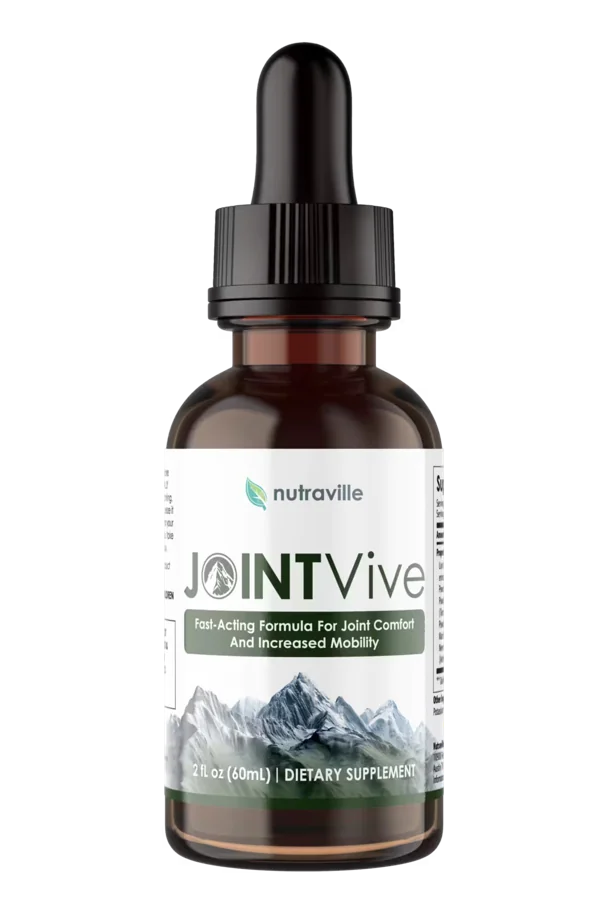
JointVive Review: Does It Really Support Joint Comfort?
A nine-ingredient plant and botanical supplement sold on the official website, marketed for joint comfort and mobility.
Read the review
NeuroPrime Review: Does It Really Support Healthy Memory?
A nine-ingredient plant-based memory-support supplement sold through the official website with a 365-day money-back guarantee.
Read the reviewFrequently Asked Questions About Tamarind
Does tamarind really work?
Early research suggests a proprietary tamarind seed extract may support knee comfort, but the trials were small, short and used blends. Independent, larger studies are needed. It should not be viewed as a treatment for any condition.
Is tamarind safe?
Tamarind is generally safe in normal food amounts. Medicinal amounts have less safety data, and it may interact with aspirin, ibuprofen and diabetes drugs. Talk with a doctor or pharmacist before using supplements.
Can I take tamarind with ibuprofen or aspirin?
Small human studies suggest tamarind may increase how much of these drugs the body absorbs. That could raise side effects. Ask a pharmacist or doctor before combining them.
Is tamarind seed extract the same as tamarind fruit?
No. The fruit pulp is a food, while seed extracts are concentrated and often standardized. The joint studies used seed extracts, so results from them do not apply to the fruit.
Why is tamarind in joint supplements?
A few small trials of a seed extract blend looked at knee pain and function, so makers include it in joint formulas. The evidence is early and it is often combined with other ingredients.
Sources
- Tamarindus indica Seed Extract-Based Botanical Compositions Alleviate Knee Pain and Improve Joint Function in Mild-to-Moderate Osteoarthritis — PubMed Central
- Tamarind — WebMD
- Tamarind - Aspirin Interaction — HelloPharmacist
- Tamarind - Combunox (Ibuprofen, Oxycodone) Interaction — HelloPharmacist
- Clinical trial supports TamaFlex joint health benefits — NutraIngredients
Last reviewed: