Slippery Elm Bark: Benefits, Research & Safety
Slippery elm bark comes from the inner bark of a North American elm tree. It is rich in mucilage, a gel-like fiber that becomes slippery when mixed with water. People take it mainly for digestive comfort and to soothe the throat, but the human research is small and limited.
Slippery Elm Bark Ingredient Guide
Also known as: Ulmus rubra, Ulmus fulva, red elm, Indian elm, moose elm
- What it is
- Slippery elm is the powdered inner bark of Ulmus rubra, a tree native to eastern North America. The bark contains mucilage, a soluble fiber that forms a thick gel with water.
- What it does
- The mucilage is thought to coat and soothe the lining of the throat and digestive tract. It may also act as a mild bulking fiber. These ideas come largely from traditional use and lab work, not strong human trials.
- How it is used
- It is taken as a powder stirred into water, as capsules, as lozenges, or as a tea. Many people use it for occasional sore throat or digestive discomfort.
- Natural sources and forms
- Products use the dried, ground inner bark, sold as powder, capsules, lozenges and tea. There is no widely accepted standardization, so the mucilage content of products can vary.
- Why it appears in formulas
- Makers add it to gut-support and throat-soothing blends because of its mucilage and its long traditional use. It is often paired with other soothing herbs or fibers.
- What to know before use
- Slippery elm may slow or reduce the absorption of medicines taken by mouth, so MedlinePlus suggests taking it at least one hour after them. Ask a clinician first if you are pregnant, breastfeeding or taking prescription drugs.
What the Research Says
Overall: Limited evidence
Human research on slippery elm bark on its own is very limited. MedlinePlus states there is no good scientific evidence to support its use for conditions such as sore throat or constipation. Most of what we know comes from traditional use, its known mucilage content, and a few small studies of multi-ingredient formulas.
One example is a small pilot study of two herbal formulas for irritable bowel syndrome. It enrolled 31 people and had no control group. In the constipation-predominant group, the formula that contained slippery elm bark was linked to more frequent bowel movements and less straining, pain and bloating. That formula also contained lactulose, oat bran and licorice root, so the effect of slippery elm cannot be separated from the other ingredients. The authors themselves called for more research.
Overall, slippery elm is plausible as a soothing fiber, but there are no large, well-controlled trials of the bark alone. Marketing claims often go further than the evidence supports.
| Studied for | What the research says | Evidence |
|---|---|---|
| Constipation and bowel habits | A small uncontrolled pilot study of a multi-ingredient formula that included slippery elm reported more frequent bowel movements in people with constipation-predominant IBS. The effect of slippery elm alone could not be determined. | Early evidence |
| Bloating and abdominal discomfort | The same pilot study reported less bloating and pain with the formulas tested. With no control group and several ingredients, it cannot show that slippery elm was responsible. | Early evidence |
| Sore throat | Slippery elm is widely used in lozenges and teas for throat comfort because of its mucilage. MedlinePlus notes there is no good scientific evidence that it works for sore throat. | Limited evidence |
| Liver safety | A reference review in the NCBI Bookshelf (LiverTox) found no evidence that slippery elm causes liver enzyme elevations or clinically apparent liver injury. | Limited evidence |
Did you know? A bark with a long history
Slippery elm bark was used by Native American peoples and later by European settlers as a soothing remedy. Its name comes from the slippery, gel-like mucilage that forms when the powdered bark is mixed with water.
Amounts Used in Studies
These are amounts researchers used, not dosing advice. Ask your doctor or pharmacist what is right for you.
| Form | Amount | Study context |
|---|---|---|
| Powdered bark within a multi-ingredient formula | Varied by formula; not established for slippery elm alone | Small open-label pilot study in people with IBS; the amount of slippery elm cannot be separated from the other ingredients |
Safety, Side Effects and Interactions
Taken by mouth in typical amounts, slippery elm is considered possibly safe for most people by MedlinePlus. A LiverTox review found no evidence that it causes liver injury. Formal safety studies are few, so the record rests mostly on traditional and reported use.
Side effects are generally mild. Because it is a gel-forming fiber, it may cause fullness or loose stools in some people, and it should be taken with enough fluid. Allergic reactions, including skin irritation, hives and contact dermatitis, have been reported, and applying it to the skin has not been well studied.
Slippery elm may slow the absorption of other oral medicines. Safety in pregnancy and breastfeeding has not been established. MedlinePlus advises avoiding it in those situations, partly because of an old, unconfirmed reputation for causing miscarriage. Safety in young children and in people with severe liver or kidney disease has also not been established.
Possible interactions
- Oral medicines: the mucilage may reduce or delay their absorption, so take slippery elm at least one hour after them, as MedlinePlus suggests.
- Other supplements taken by mouth: absorption may be slowed in the same way.
- Ask a pharmacist before combining it with medicines where timing and steady levels matter, such as thyroid, diabetes or heart medicines.
Avoid it or ask a doctor first if
- Pregnant or breastfeeding
- Allergic to elm or related plants
- Taking oral prescription medicines without timing advice from a clinician
- Giving to young children without medical advice
- Have difficulty swallowing or a bowel obstruction
Supplements We've Reviewed That Contain Slippery Elm Bark
Each review checks the full formula, price, refund policy and side effects.
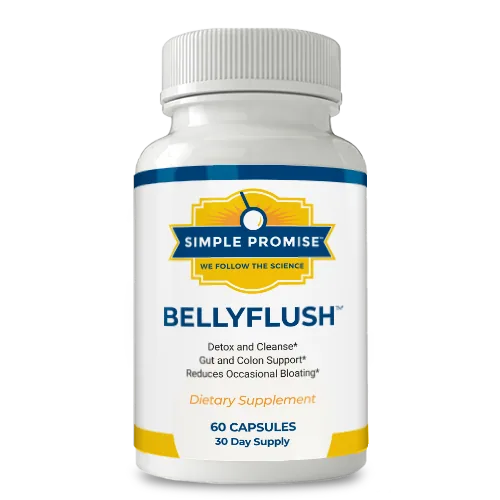
BellyFlush Review: Does It Really Work for Digestive Regularity?
An 11-herb digestive capsule sold through the official website, with a 365-day money-back guarantee.
Read the reviewFrequently Asked Questions About Slippery Elm Bark
Does Slippery Elm Bark really work?
The evidence is limited. It has a long history of traditional use and contains soothing mucilage, but MedlinePlus says there is no good scientific evidence for conditions like sore throat or constipation. The few human studies are small and use multi-ingredient formulas.
Is Slippery Elm Bark safe?
It is considered possibly safe for most adults when taken by mouth in typical amounts, and a LiverTox review found no evidence of liver injury. Allergic reactions are possible, and it is not recommended during pregnancy or breastfeeding because safety is not established.
Can slippery elm affect my medications?
Yes, possibly. Its mucilage may slow the absorption of medicines taken by mouth. MedlinePlus suggests taking slippery elm at least one hour after other oral medicines, and a pharmacist can advise on timing.
What does slippery elm taste and feel like?
The powder is mildly earthy and slightly sweet. When mixed with water it becomes thick and gel-like, which is the mucilage people describe as coating the throat.
Is slippery elm the same as a fiber supplement?
Not exactly. Slippery elm contains mucilage, a soluble fiber, but it is a whole herbal bark rather than a standardized fiber product. Its fiber content is not standardized, and it has far less clinical research than common fibers such as psyllium.
Sources
- Slippery Elm — LiverTox, NCBI Bookshelf
- Pilot study of two herbal formulas for irritable bowel syndrome (Hawrelak and Myers) — PubMed
Last reviewed: