Licorice Root: Benefits, Research & Safety
Licorice root comes from the Glycyrrhiza plant and has long been used in traditional herbal medicine and as a sweetener and flavoring. People take it mainly for digestive comfort and throat soothing, and it shows up in some weight and wellness blends. Its main active compound, glycyrrhizin, can also raise blood pressure and lower potassium, so safety matters more here than with most herbs.
Licorice Root Ingredient Guide
Also known as: Licorice, Liquorice, Glycyrrhiza, Glycyrrhiza glabra, Sweet root, DGL (deglycyrrhizinated licorice)
- What it is
- Licorice root is the dried root and underground stem of Glycyrrhiza glabra and related species. It contains glycyrrhizin, which is roughly 50 times sweeter than sugar, along with flavonoids and other plant compounds.
- What it does
- Glycyrrhizin and its breakdown product, glycyrrhetinic acid, block an enzyme (11-beta-hydroxysteroid dehydrogenase type 2) that helps the kidney manage cortisol. This can cause sodium and water retention and potassium loss. Flavonoids in the root are studied for effects on the stomach lining and on inflammation, mostly in lab and animal work.
- How it is used
- It is taken as capsules, tablets, teas, liquid extracts and lozenges, and the extract is also used as a flavoring. Deglycyrrhizinated licorice (DGL) chewables are a separate product type, used mainly for stomach and digestive comfort.
- Natural sources and forms
- Forms include whole root powder, standardized extracts (often labeled by glycyrrhizin content), flavonoid-rich extracts, and DGL, which has most of the glycyrrhizin removed. Glycyrrhizin content varies a lot between products, so labels matter.
- Why it appears in formulas
- Makers add it as a traditional botanical, for its flavor and sweetness, and for its reputed digestive and stress-support image. In blends it is often one of several plant extracts. The evidence for weight or metabolic claims is thin.
- What to know before use
- Products that contain glycyrrhizin can raise blood pressure and lower blood potassium, even at modest amounts taken for weeks or months. Check with a doctor or pharmacist first if you have high blood pressure, heart, kidney or liver conditions, or take any regular medicines.
What the Research Says
Overall: Limited evidence
Licorice has a long history of use, but the human research is small and uneven. Most trials are short, enroll few people, use different extracts (whole root, glycyrrhizin-containing, flavonoid-rich or DGL), and often lack strong blinding or independent replication. That makes results hard to compare.
Some small trials of specific extracts have looked at functional indigestion symptoms, and older work compared DGL with standard stomach medicines. Other areas, such as sore throat, skin, menopausal symptoms, and weight or metabolic health, rest mostly on lab studies, animal studies or very small human trials.
The safety evidence is better established than the benefit evidence. Reviews and meta-analyses of glycyrrhizin consistently report raised blood pressure and low potassium with higher or prolonged intake. Pharmacology work on drug interactions is mostly from lab and animal studies, with a few small human studies.
Overall, research suggests licorice may support some digestive symptoms, but it does not show that licorice treats any condition. Results from one extract do not carry over to another.
| Studied for | What the research says | Evidence |
|---|---|---|
| Functional indigestion | A small 4-week placebo-controlled trial of a flavonoid-rich licorice extract reported symptom improvement, but it is a single product studied in one setting and should be read cautiously. | Early evidence |
| Stomach lining and ulcers (DGL) | Older studies compared DGL with standard acid-reducing medicines, and modern evidence is limited, with few participants and dated methods. | Limited evidence |
| Blood pressure and potassium (safety) | Meta-analyses and reviews report that glycyrrhizin-containing licorice raised systolic and diastolic blood pressure and can cause low potassium, mainly at higher or long-term intake. | Moderate evidence |
| Drug metabolism effects | Lab, animal and a few small human studies show licorice compounds can influence liver enzymes and transporters, which may change blood levels of some medicines. | Limited evidence |
Did you know? Black licorice candy can matter too
Glycyrrhizin is the same compound found in real licorice candy and some herbal teas, so supplement intake adds to what you get from food. Case reports describe people developing high blood pressure and low potassium from eating large amounts of black licorice candy daily for weeks.
Amounts Used in Studies
These are amounts researchers used, not dosing advice. Ask your doctor or pharmacist what is right for you.
| Form | Amount | Study context |
|---|---|---|
| Glycyrrhizin (pure compound) in a human drug-interaction study | 150 mg twice daily | 14-day study measuring effects on midazolam levels |
| Flavonoid-rich licorice extract | 75 mg twice daily | 4-week trial in people with functional dyspepsia |
| Licorice products with glycyrrhizin | About 400 mg glycyrrhizin/day or more (roughly 20 g of licorice product) | Intake level at which blood pressure and potassium effects are more likely to be reported; smaller amounts over months have also caused effects |
Safety, Side Effects and Interactions
The main safety issue is glycyrrhizin. Taken in large amounts, or in smaller amounts for long periods, it can cause sodium and water retention, high blood pressure, low potassium, swelling, headache, and muscle weakness. In severe cases, low potassium can cause abnormal heart rhythms. This pattern is called pseudoaldosteronism.
Susceptibility varies. Reviews note higher risk in older adults, women, people with existing high blood pressure or low potassium, and people with slow gut transit or low body weight, such as in anorexia nervosa. Effects usually ease after stopping, but this should be monitored by a clinician.
DGL products have much less glycyrrhizin and are generally considered a lower-risk option, though labels vary and not every product is truly deglycyrrhizinated.
Licorice is also a hidden source of exposure: candy, teas and several supplements in one day can add up. Safety during pregnancy is a concern, and high intake has been linked in observational research to poorer outcomes for the child, so it is best avoided. Long-term safety data for concentrated extracts are limited.
Possible interactions
- Diuretics (water pills) may add to potassium loss, raising the risk of low potassium.
- Digoxin and other heart glycosides are more dangerous if potassium is low.
- Blood pressure medicines may work less well because licorice can raise blood pressure.
- Corticosteroids and other medicines that lower potassium may add to its effects.
- Licorice compounds affect liver enzymes and transporters (such as P-glycoprotein), so levels of some drugs, including cyclosporine, warfarin and methotrexate, may change; evidence is mostly from animals and lab work.
- Other licorice-containing products can add up to a higher total glycyrrhizin intake.
Avoid it or ask a doctor first if
- High blood pressure or heart disease
- Low blood potassium or a history of irregular heart rhythm
- Kidney or liver disease
- Pregnant or breastfeeding
- Taking diuretics, digoxin, blood pressure drugs, corticosteroids, warfarin or immunosuppressants
- Scheduled for surgery soon (ask your doctor)
- Older adults or low body weight (higher sensitivity; ask a doctor first)
Supplements We've Reviewed That Contain Licorice Root
Each review checks the full formula, price, refund policy and side effects.
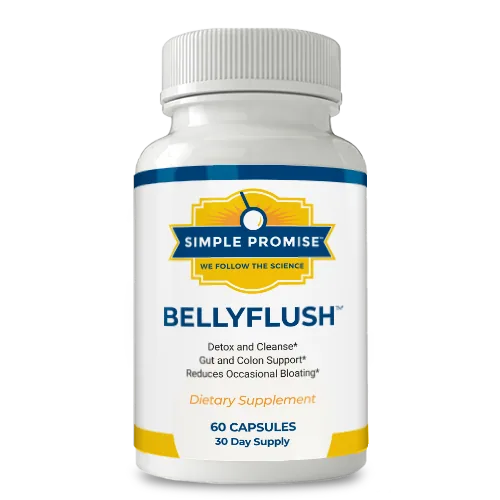
BellyFlush Review: Does It Really Work for Digestive Regularity?
An 11-herb digestive capsule sold through the official website, with a 365-day money-back guarantee.
Read the review
Finessa Review: Is This Digestive Supplement Legit or Worth the Price?
A multi-herb and probiotic digestive supplement sold on the official website, claimed to support regularity, bile flow, and a flatter belly.
Read the reviewFrequently Asked Questions About Licorice Root
Does licorice root really work?
The evidence is limited. A few small trials of specific extracts suggest it may support digestive comfort, but studies are short and differ in product type. Research has not shown it treats any disease.
Is licorice root safe?
It is not risk-free. Products containing glycyrrhizin can raise blood pressure and lower potassium, especially with higher or long-term intake. Many people should avoid it or ask a clinician first, and DGL products are considered lower risk for these effects.
What is the difference between licorice root and DGL?
DGL has most of the glycyrrhizin removed, which reduces the blood pressure and potassium concerns. Regular licorice extracts keep glycyrrhizin, and their effects can differ from DGL, so research on one does not apply to the other.
Can licorice root interact with medicines?
Yes. It can add to potassium loss with diuretics and heart medicines like digoxin, and may blunt blood pressure drugs. Lab and animal studies also suggest it can alter how the body handles some medicines, so tell your pharmacist you take it.
How long can people take licorice root?
There is no established safe long-term amount for glycyrrhizin-containing products. Reviews report effects after weeks to months, sometimes at modest intakes. If you use it, check labels for glycyrrhizin content and talk with a healthcare professional about duration and monitoring.
Sources
- Licorice — Merck Manual Professional Version
- Toxicological Effects of Glycyrrhiza glabra (Licorice): A Review — PubMed
- Liquorice, a unique "guide drug" of traditional Chinese medicine: a review of its role in drug interactions — PubMed
- Licorice review article — PubMed Central
Last reviewed: