Rice Flour: Benefits, Research & Safety
Rice flour is a fine powder made by milling white or brown rice. In supplements it is usually not the active ingredient. Makers add it as a filler, carrier or flow aid so capsule powders fill evenly. There is no good human research showing health benefits from the small amounts used this way.
Rice Flour Ingredient Guide
Also known as: Rice powder, Rice starch (related), Oryza sativa flour, Brown rice flour, White rice flour
- What it is
- Rice flour is ground rice (Oryza sativa), sold as white or brown rice flour. It is mostly starch, with small amounts of protein and, in brown rice flour, some fiber and minerals.
- What it does
- As a supplement excipient, it is thought to add bulk and help powders flow and fill capsules consistently. It is not known to have a specific biological effect at these amounts.
- How it is used
- It is listed under "other ingredients" in capsules, tablets and powders. It is also used in cooking and baking as a gluten-free flour, which is a separate use.
- Natural sources and forms
- It comes from white (milled) or brown (whole-grain) rice. Supplement-grade versions are fine powders, and some are certified organic or tested for heavy metals.
- Why it appears in formulas
- Manufacturers describe it as a carrier or filler that helps blend and fill capsules. Some use it in place of other flow agents such as magnesium stearate or silicon dioxide. These explanations come mostly from supplier materials, not independent studies.
- What to know before use
- People with a known rice allergy or rice-triggered food reactions should check labels. Rice can also contain arsenic, so overall rice intake matters, especially for infants and young children.
What the Research Says
Overall: Limited evidence
Rice flour in supplements is an excipient, so it has not been studied as a health ingredient in that role. I found no human trials showing that the small amounts in capsules do anything for health. Most information on its use comes from supplier and manufacturer pages, which reflect commercial views rather than independent evaluation.
The research that exists on rice and rice products is mainly about food safety. The FDA has done a risk assessment of inorganic arsenic in rice and rice-containing products. It also set an action level for infant rice cereal. Separately, medical literature describes rice as a notable trigger of food protein-induced enterocolitis syndrome (FPIES), a delayed non-IgE food allergy, mostly in infants.
In short, the evidence supports caution about contaminants and allergy, not claims of benefit. Rice flour is best seen as a carrier that is generally unremarkable for most adults.
| Studied for | What the research says | Evidence |
|---|---|---|
| Role as filler or carrier | Supplement makers say rice flour helps powders flow and fill capsules evenly. This comes from industry sources, not clinical studies. | Limited evidence |
| Arsenic exposure | The FDA has assessed inorganic arsenic in rice and rice products and notes that levels vary widely between samples. Manufacturers can reduce it by sourcing and testing rice ingredients. | Moderate evidence |
| Rice-triggered food allergy | Reviews and case reports describe rice as a common solid-food trigger of FPIES in infants. Most children outgrow it by about age 3. | Moderate evidence |
| Direct health benefits | No human studies show that rice flour at supplement excipient amounts supports any health outcome. | Early evidence |
Did you know? A filler with a job
Rice flour is often listed under "other ingredients" because many powders clump or stick during capsule filling. Some brands use it as a carrier, and describe it as an alternative to other flow agents. These claims come mostly from manufacturers, so independent proof is thin.
Amounts Used in Studies
These are amounts researchers used, not dosing advice. Ask your doctor or pharmacist what is right for you.
| Form | Amount | Study context |
|---|---|---|
| Capsule or tablet excipient | Not standardized; usually a small portion of the capsule fill, not listed on labels | Manufacturing use; no clinical studies set an amount |
Safety, Side Effects and Interactions
Rice flour is a common food, and for most adults the amounts in a supplement are small and well tolerated. Side effects are uncommon.
The main concerns are:
- Allergy: Rice is a known trigger of FPIES in some infants, causing delayed vomiting and diarrhea. Rice allergy in other people is less commonly described. Anyone with a known rice reaction should avoid products that list it.
- Arsenic: Rice takes up arsenic from soil and water. The FDA reports that the inorganic share varies widely by sample. A single capsule adds little, but people who eat a lot of rice products may want to vary their grains. Choosing products from makers that test for heavy metals is reasonable.
- Carbohydrate content: The amount in a capsule is generally negligible, though powders with larger servings may add some carbohydrate.
If you have digestive symptoms or a medical condition, ask a doctor or pharmacist before using supplements.
Possible interactions
- No well-documented drug interactions are known for rice flour at the small amounts used as a supplement excipient.
- Large amounts of rice-based foods add carbohydrate, which may matter for people monitoring blood sugar, so check with a clinician.
- Check with a pharmacist if you take many supplements, since the active ingredients in the product matter more than the rice flour.
Avoid it or ask a doctor first if
- Known rice allergy or a history of rice-triggered FPIES
- Infants or young children with food protein reactions, unless a pediatrician approves
- Anyone told to limit rice intake because of arsenic concerns
- Anyone with doubts about a product's heavy metal testing
Supplements We've Reviewed That Contain Rice Flour
Each review checks the full formula, price, refund policy and side effects.
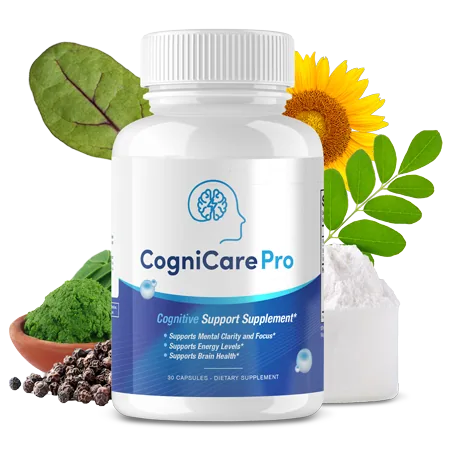
CogniCare Pro Review: Does It Really Work for Memory and Focus?
Capsule dietary supplement sold through the official website with multi-bottle discounts and a 90-day refund; vendor brain-health claims are not independently verified.
Read the reviewFrequently Asked Questions About Rice Flour
Does rice flour really work?
Rice flour is not meant to act on the body in supplements. It works as a filler or carrier that helps make capsules consistently. No human studies show health benefits at those amounts.
Is rice flour safe?
For most people it is considered safe in the small amounts found in supplements. The main exceptions are people with rice allergy or rice-triggered FPIES. Arsenic in rice is also a food-safety concern, mostly with high overall rice intake.
Why is rice flour in my supplement?
It is usually added as a carrier, filler or flow aid so the powder blends and fills capsules evenly. It sits in the "other ingredients" section rather than the active ingredients.
Is rice flour gluten-free?
Rice itself does not contain gluten. A supplement is only gluten-free if the whole product is made and handled to avoid gluten, so check the label for a gluten-free statement.
Should I worry about arsenic in rice flour?
Rice can take up arsenic, and levels vary by sample. The amount in a capsule is small, but people with high rice intake, and parents of infants, may want to vary grains and choose products that test for heavy metals.
Sources
- Excipients: Functional Ingredients Used in Dietary Supplements — NOW Foods
- Food protein-induced enterocolitis syndrome — PubMed
- Study shows new triggers of rare food allergy in infants — Baylor College of Medicine
Last reviewed: