Rhodiola Root: Benefits, Research & Safety
Rhodiola root comes from Rhodiola rosea, a plant that grows in cold, mountainous parts of Europe and Asia. It has a long history in traditional medicine. People take it today hoping to support energy, focus and resilience to stress. The research is small and mixed.
Rhodiola Root Ingredient Guide
Also known as: Rhodiola rosea, Golden root, Roseroot, Arctic root, Rhodiola
- What it is
- Rhodiola root is the underground part (rhizome and root) of Rhodiola rosea, a flowering plant. It is sold as capsules, tablets, powders and liquid extracts.
- What it does
- It is often called an adaptogen, a marketing term for herbs said to help the body handle stress. Its compounds, mainly rosavins and salidroside, have been studied in lab and animal work. How they might act in people is not well established.
- How it is used
- People usually take it as a daily capsule or tablet, often in the morning. Studies have mostly run for a few weeks.
- Natural sources and forms
- Most supplements use dried root or a standardized extract. Extracts are commonly standardized to rosavins (often about 3%) and salidroside (often about 1%). Products vary, and some may be mixed up with other Rhodiola species.
- Why it appears in formulas
- Makers add it to energy, focus and stress-support blends because of its traditional reputation and a few small human studies on fatigue. It is also used in pre-workout style products.
- What to know before use
- Talk to a doctor or pharmacist first if you take prescription medicines, especially for blood pressure, diabetes, depression or blood thinning. It has not been well studied in pregnancy or breastfeeding.
What the Research Says
Overall: Limited evidence
Human research on rhodiola is small, short and uneven in quality. The NCCIH states there is not enough reliable evidence to say whether rhodiola is useful for any health purpose.
A 2012 systematic review (Ishaque et al.) found 11 trials on physical and mental fatigue. Two of six trials in healthy people on physical fatigue reported a benefit, and three of five on mental fatigue did. The authors judged all the included studies to have a high risk of bias or reporting flaws. The trials were too different to combine in a meta-analysis.
An earlier review (Hung and colleagues, 2011) rated the quality of most trials as moderate or good. It still called for larger, better-designed studies. The two reviews disagree on how far to trust the trials.
One example is a double-blind trial of 60 adults with fatigue syndrome (Olsson et al., 2008), which reported improved fatigue scores. Small trials like this need to be repeated before firm conclusions can be drawn.
Overall, rhodiola is a promising but unproven ingredient. I did not check whether newer large trials have been published since these reviews.
| Studied for | What the research says | Evidence |
|---|---|---|
| Mental fatigue | Three of five randomized trials in one review reported less mental fatigue, for example in stressed or fatigued adults. The trials were small and had methodological problems. | Limited evidence |
| Physical fatigue and exercise | Two of six trials in healthy people reported benefit for physical fatigue. Results were inconsistent across studies. | Limited evidence |
| Burnout-type fatigue and stress | A small trial in 60 adults with fatigue syndrome reported better fatigue scores. It needs replication in larger groups. | Early evidence |
| Mood | A few small studies looked at low mood or anxiety. The evidence is too thin to draw conclusions. | Early evidence |
Did you know? Why the plant name matters
Rhodiola rosea is one of many Rhodiola species, and the compounds rosavins and salidroside are used to check product identity. Rosavins are considered characteristic of R. rosea, so products with little or none may contain a different species.
Amounts Used in Studies
These are amounts researchers used, not dosing advice. Ask your doctor or pharmacist what is right for you.
| Form | Amount | Study context |
|---|---|---|
| Standardized root extract (about 3% rosavins, 1% salidroside) | About 200 to 600 mg/day | Short trials, typically a few weeks, in healthy or fatigued adults. Amounts vary widely between studies. |
Safety, Side Effects and Interactions
NCCIH describes rhodiola as possibly safe when taken by mouth for up to 12 weeks. Side effects reported in studies include dizziness, headache, trouble sleeping, and either dry mouth or excess saliva. Some people feel jittery or restless, especially when taking it later in the day.
Long-term safety is not well known. Little is known about use in pregnancy and breastfeeding. Children have not been well studied.
Supplements are not tightly regulated in the US, so strength and purity can differ between products. Look for third-party testing. Stop taking it and talk to a healthcare professional if you have troubling symptoms.
Possible interactions
- NCCIH notes that interactions with losartan, a blood pressure medicine, have been reported.
- It may add to the effects of blood pressure or diabetes medicines, so a doctor should be consulted.
- It may interact with antidepressants or other drugs that act on the brain, and combining them is not well studied.
- It may affect how blood thinners or immune-suppressing drugs work, so ask a doctor first.
- Taking it with other stimulants such as caffeine may increase jitteriness or trouble sleeping.
Avoid it or ask a doctor first if
- Pregnant or breastfeeding
- Children and teens
- Taking blood pressure, diabetes, antidepressant, blood-thinning or immunosuppressant medicines
- Have an autoimmune condition
- Have bipolar disorder or are prone to anxiety or insomnia
- Planning surgery soon
Supplements We've Reviewed That Contain Rhodiola Root
Each review checks the full formula, price, refund policy and side effects.
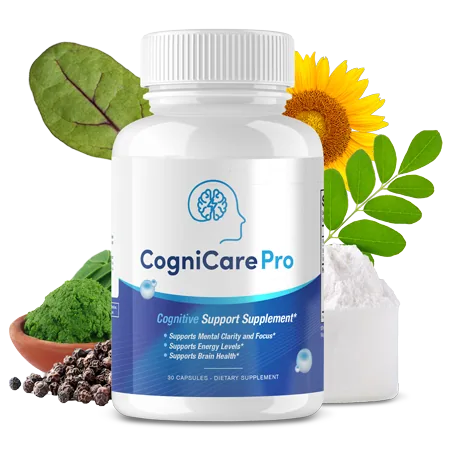
CogniCare Pro Review: Does It Really Work for Memory and Focus?
Capsule dietary supplement sold through the official website with multi-bottle discounts and a 90-day refund; vendor brain-health claims are not independently verified.
Read the reviewFrequently Asked Questions About Rhodiola Root
Does Rhodiola Root really work?
Research suggests it may help with some kinds of fatigue, but the evidence is limited. Reviews describe small trials with quality problems, and NCCIH says there is not enough reliable evidence to confirm any health use. Larger, well-designed studies are needed.
Is Rhodiola Root safe?
NCCIH describes it as possibly safe for up to 12 weeks in most adults. Side effects can include dizziness, headache, insomnia and dry mouth or extra saliva. It can interact with some medicines, so check with a healthcare professional first.
When do people take rhodiola?
Most people take it in the morning or early in the day because some find it stimulating. Studies have mostly used it for a few weeks at a time. This is not dosing advice.
Is rhodiola a stimulant?
It is not a classic stimulant like caffeine. Some people still report restlessness or trouble sleeping, particularly at higher amounts or later in the day.
What does standardized mean on a rhodiola label?
It means the extract is made to contain set levels of marker compounds, usually rosavins and salidroside. This helps with consistency between batches. It does not prove the product works.
Sources
- Rhodiola — NCCIH
- Rhodiola rosea for physical and mental fatigue: a systematic review — PubMed
- Rhodiola rosea for physical and mental fatigue: a systematic review — BMC Complementary and Alternative Medicine
- Rhodiola — Merck Manual Consumer Version
- Draft assessment report Rhodiola rosea L., rhizoma et radix — European Medicines Agency
Last reviewed: