Schisandra: Benefits, Research & Safety
Schisandra is the dried berry of a woody vine native to northeastern Asia. It has a long history in traditional Chinese and Russian herbal practice. People take it as an "adaptogen" to support stamina, mental focus and stress resilience, but good human research on it alone is limited.
Schisandra Ingredient Guide
Also known as: Schizandra, Schisandra chinensis, Five-flavor berry, Wu wei zi
- What it is
- Schisandra is the fruit of Schisandra chinensis, a climbing vine from China, Korea, Japan and Russia. The berries are called five-flavor berries because they taste sweet, sour, salty, bitter and pungent.
- What it does
- Its active compounds, mainly lignans such as schisandrin and gomisin, are thought to affect stress-response pathways and antioxidant activity. Most of this evidence comes from animal and lab studies, and the effects in people are not well established.
- How it is used
- It is taken as capsules, powdered berry, liquid extract or tea, and in traditional medicine as a dried fruit decoction. It is often used in blends with other adaptogens.
- Natural sources and forms
- The dried berry or seeds are the usual source. Extracts may be standardized to lignans (schisandrins), but standardization varies by product, so labels are worth checking.
- Why it appears in formulas
- Makers add it to focus, energy and stress-support formulas because of its adaptogen reputation and use in traditional medicine. It is commonly paired with rhodiola or eleuthero.
- What to know before use
- Schisandra can affect liver enzymes and transporters that process many drugs, so check with a pharmacist or doctor if you take prescription medicines. Avoid it during pregnancy.
What the Research Says
Overall: Limited evidence
Most of the research on schisandra comes from lab and animal studies, which cannot show that it works in people. Human studies are few and generally small. Several of them tested fixed blends, for example schisandra combined with rhodiola and eleuthero, so the effect of schisandra on its own cannot be separated out.
A review of adaptogens in fatigue rated the evidence for schisandra's mental effects as "good" but below that for rhodiola. It based this on older trials in which schisandra with eleuthero was linked to better endurance and mental performance in people with mild fatigue. A small placebo-controlled pilot trial of a rhodiola, schisandra and eleuthero blend looked at attention and accuracy in tired people doing stressful tasks. It was too small and too specific to apply broadly.
Claims about liver protection, anti-aging or athletic performance are mostly based on animal or test-tube findings. I found no good clinical evidence supporting them. Overall, schisandra is a plausible but unproven ingredient, and more large, well-designed trials of schisandra alone are needed.
| Studied for | What the research says | Evidence |
|---|---|---|
| Mental performance under fatigue | Small trials of blends containing schisandra reported better attention and mental endurance in tired people. Trials of schisandra alone are lacking. | Limited evidence |
| Physical endurance | Older studies, mostly of schisandra combined with other herbs, suggested possible effects on stamina. The studies were small and varied in quality. | Early evidence |
| Liver health | Lignans have shown protective effects in animal and lab studies. Good human evidence is missing, so this use is not established. | Early evidence |
| Stress resilience | The adaptogen idea rests mainly on animal work and on trials of multi-herb blends. Its effect in people is uncertain. | Early evidence |
Did you know? Five flavors in one berry
Its traditional Chinese name, wu wei zi, means "five-flavor fruit" because the berry tastes sweet, sour, salty, bitter and pungent at once. Russian researchers studied it in the 20th century as one of several adaptogens for fatigue.
Amounts Used in Studies
These are amounts researchers used, not dosing advice. Ask your doctor or pharmacist what is right for you.
| Form | Amount | Study context |
|---|---|---|
| Dried berry extract (varied standardization) | Up to about 1 g/day | Used for up to about 12 weeks in some human studies without apparent safety concerns, per a consumer-oriented overview |
| Fixed adaptogen blend containing schisandra, rhodiola and eleuthero | Single dose, varied by product | Small pilot trial of attention and accuracy in tired people |
Safety, Side Effects and Interactions
Schisandra appears to be well tolerated at the amounts used in short-term studies. Reported side effects are generally mild and can include heartburn, stomach upset, reduced appetite, skin rash and sleeplessness or restlessness. Long-term safety data are limited.
The main concern is drug interactions. Schisandra lignans can affect cytochrome P450 enzymes (including CYP3A4) and the P-glycoprotein transporter, which may change blood levels of some medicines. One study reported a large rise in tacrolimus exposure with a schisandra-containing product. Because it may stimulate the uterus, oral use is generally advised against in pregnancy, and there is not enough information on use while breastfeeding. Supplement quality and standardization vary, and supplements are not reviewed by the FDA for effectiveness before sale. Stop use and seek medical advice if you notice symptoms of liver problems such as yellow skin or eyes, dark urine or severe abdominal pain.
Possible interactions
- May raise blood levels of tacrolimus and cyclosporine, which are transplant drugs with narrow safety margins.
- May interact with medicines broken down by CYP3A4 and other liver enzymes, so ask a pharmacist about your prescriptions.
- May affect P-glycoprotein transporter drugs, changing how much of a drug is absorbed.
- Caution with cyclophosphamide and other chemotherapy drugs, which should be discussed with an oncology team.
- May add to the effect of other stimulating or sedating supplements, so combine with care.
Avoid it or ask a doctor first if
- Pregnant
- Breastfeeding, because safety data are lacking
- Taking transplant anti-rejection drugs
- Taking chemotherapy or other narrow-margin medicines without medical advice
- Liver disease
- Active stomach ulcer or severe acid reflux
- Planning surgery soon, unless your doctor agrees
Supplements We've Reviewed That Contain Schisandra
Each review checks the full formula, price, refund policy and side effects.

Thyrafemme Balance Review: Does It Really Support Thyroid Health?
A 14-ingredient daily thyroid and feminine-wellness supplement sold only through the official website, with multi-bottle packs and a 60-day refund offer.
Read the review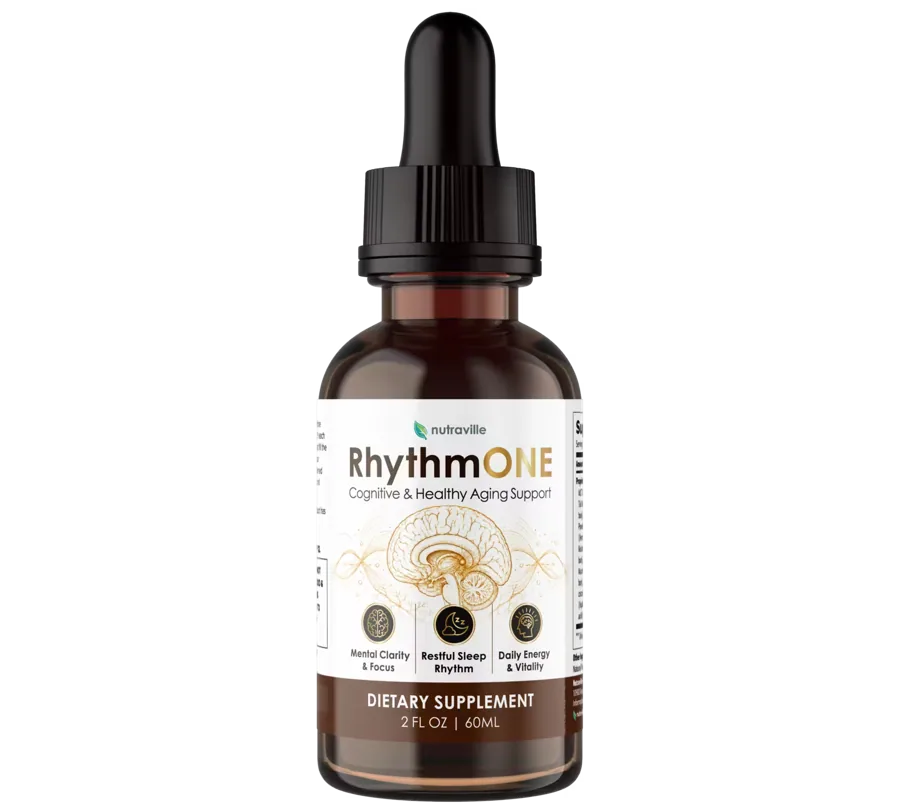
RhythmONE Review: Does It Really Support Healthy Memory?
Plant-based memory and brain-health supplement sold only through the official website, with a 365-day refund claim and a 6-bottle best-value option.
Read the review
NeuroVera Review: Does It Really Support Healthy Memory?
A plant-based capsule supplement marketed to support memory function and brain health, sold through the official website with a 365-day money-back guarantee.
Read the reviewFrequently Asked Questions About Schisandra
Does Schisandra really work?
The evidence is limited. Some small trials of blends containing schisandra suggest benefits for mental endurance when tired, but good trials of schisandra alone are lacking. Claims about liver protection or anti-aging rest mostly on animal and lab research.
Is Schisandra safe?
It appears to be well tolerated in short-term use, with mild side effects such as heartburn or stomach upset. It can interact with certain drugs and should be avoided in pregnancy. Talk to a healthcare provider before using it if you take medicines.
What is schisandra often combined with?
It is commonly combined with other adaptogens such as rhodiola and eleuthero (Siberian ginseng). Research on such blends makes it hard to tell how much schisandra itself contributes.
Can schisandra help the liver?
Lignans from schisandra have shown liver-protective effects in animal and lab studies. Good human evidence is missing, so it should not be used to treat or prevent liver conditions.
Can I take schisandra with prescription medicines?
Not without checking first. Schisandra may change how the body processes medicines handled by CYP3A4 or P-glycoprotein, including some transplant drugs. A pharmacist or doctor can review your specific medicines.
Sources
- Evidence-based efficacy of adaptogens in fatigue, and molecular mechanisms related to their stress-protective activity — PubMed
- Double-blind, placebo-controlled, randomised study of single dose effects of ADAPT-232 on cognitive functions — PubMed
- Schisandra lignans and drug interactions (Frontiers in Pharmacology review)
- Schisandra review — PubMed Central
Last reviewed: