Pyrroloquinoline Quinone: Benefits, Research & Safety
Pyrroloquinoline quinone (PQQ) is a small quinone compound found in trace amounts in foods and in the body. It is sold as a supplement, usually the disodium salt, and people take it hoping to support memory, energy and mitochondrial (cell energy) function. Human research is still small and early.
Pyrroloquinoline Quinone (PQQ) Ingredient Guide
Also known as: PQQ, methoxatin, PQQ disodium salt
- What it is
- PQQ is a redox-active compound made by some bacteria and found in small amounts in foods such as fermented soybeans, green vegetables and milk. It is not an established essential vitamin.
- What it does
- In lab and animal studies, PQQ appeared to act as an antioxidant and to influence pathways tied to mitochondrial function. It is not clear that these effects occur at supplement amounts in people.
- How it is used
- It is taken as a capsule or tablet, often once daily, mainly for cognition, energy and general wellness. It is often paired with CoQ10.
- Natural sources and forms
- Supplements generally use PQQ disodium salt made by bacterial fermentation. Capsules commonly contain about 5 to 20 mg per serving, and product testing has found some products with less than the labeled amount.
- Why it appears in formulas
- Makers add it to brain, energy and healthy-aging blends because of its mitochondrial and antioxidant story. Most of that story comes from animal and cell research.
- What to know before use
- Long-term safety in people has not been well studied, so talk with a doctor or pharmacist first if you take medicines, have kidney problems, or are pregnant or nursing.
What the Research Says
Overall: Early evidence
Most of the research on PQQ comes from cell and animal studies. Human trials exist but are few, short and small, usually with fewer than about 100 participants. Many were run with supplement-industry involvement, and often with one branded ingredient.
The most notable human results are on cognition. A placebo-controlled trial in Japanese adults aged 20 to 65 used 20 mg a day for 12 weeks. It reported better memory scores, with faster effects in the younger group. Other small trials looked at sleep, fatigue, endurance and inflammation markers. Their results were mixed, and I could not check the original papers for several of them.
A consumer testing organization's review concluded that human studies have been very limited and have shown little benefit overall. We found no large, long-term, independent trials. Results in young healthy people may not apply to older adults or to people with health conditions.
In short, PQQ is an interesting compound with limited human proof. Findings should be treated as preliminary until larger independent trials confirm them.
| Studied for | What the research says | Evidence |
|---|---|---|
| Memory and cognition | A placebo-controlled trial of 20 mg a day for 12 weeks in healthy adults reported improved memory scores, mainly in younger adults. Other trials were small, and results have not been consistently replicated. | Early evidence |
| Sleep and fatigue | A small trial in adults with fatigue and sleep complaints reported better sleep quality after about 8 weeks. We could not review the original paper, so treat this as preliminary. | Early evidence |
| Inflammation markers | A very small human study reportedly showed lower markers such as CRP and IL-6. The finding has not been confirmed in larger trials. | Early evidence |
| Exercise and endurance | Small trials, including one with about 23 participants, looked at endurance and energy use. The results were limited and not consistent. | Limited evidence |
Did you know? Is PQQ a vitamin?
PQQ was once proposed as a new B-vitamin-like nutrient after studies in mice fed diets without it. It has not been accepted as an essential human nutrient. We get small amounts from foods such as fermented soybeans, and supplements supply much more.
Amounts Used in Studies
These are amounts researchers used, not dosing advice. Ask your doctor or pharmacist what is right for you.
| Form | Amount | Study context |
|---|---|---|
| PQQ disodium salt capsules | 20 mg/day | Most common amount in human trials, lasting about 8 to 12 weeks in healthy adults |
| PQQ disodium salt capsules | 10 to 60 mg/day | Lower and higher amounts used in a few small short-term studies, mostly in healthy adults |
Safety, Side Effects and Interactions
In the short human trials so far, PQQ has generally been well tolerated, and one 2024 placebo-controlled trial in healthy Japanese adults (62 completers) reported no adverse events. These trials are small and short, so rare or long-term effects could be missed. A consumer testing organization states that PQQ has not been formally safety tested in people.
In rats, the disodium salt had a no-observed-adverse-effect level of 100 mg/kg a day in a 13-week study. At very high doses, reversible kidney-related changes appeared in female rats. The European Food Safety Authority concluded the disodium salt is safe under the applicant's proposed conditions of use. The FDA has not objected to self-affirmed GRAS notices from sellers.
Some people report headache, nausea, trouble sleeping or digestive upset, although these are mostly from anecdotal and secondary sources. Safety in pregnancy, breastfeeding, children and people with kidney or liver disease has not been established. Product quality varies, and some tested products contained less PQQ than labeled.
Possible interactions
- No well-documented drug interactions are known, but formal interaction studies in people are lacking.
- Because of the kidney findings at very high doses in animals, use caution with medicines that affect the kidneys, and ask a clinician.
- Stimulant or sleep medicines may be worth discussing with a clinician, since some users report sleep changes.
- Tell your doctor or pharmacist about PQQ if you take any prescription medicine, since research on combinations is limited.
Avoid it or ask a doctor first if
- Pregnant or breastfeeding
- Children and teens
- Kidney disease, or ask a doctor first
- Liver disease, or ask a doctor first
- Taking prescription medicines without medical advice
- Planned surgery, as a precaution
Supplements We've Reviewed That Contain Pyrroloquinoline Quinone (PQQ)
Each review checks the full formula, price, refund policy and side effects.
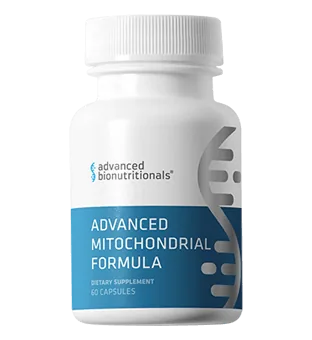
Advanced Mitochondrial Formula Review: Is It Legit and Does It Work?
A mitochondria-focused supplement with niacinamide, D-ribose, PQQ and eight other nutrients, sold on the official website with a 90-day refund offer.
Read the reviewFrequently Asked Questions About Pyrroloquinoline Quinone (PQQ)
Does pyrroloquinoline quinone really work?
The evidence is early. A few small trials, mostly at 20 mg a day, reported better memory scores or sleep in healthy adults. Larger, independent and longer trials are needed, and one consumer review found little benefit overall.
Is pyrroloquinoline quinone safe?
Short-term use at amounts studied appears to be well tolerated in small trials. Long-term human safety is not well established, and animal studies at very high doses showed reversible kidney changes. Check with a healthcare professional first, especially if you are pregnant, have kidney disease or take medicines.
How much PQQ is used in studies?
Most human trials used about 20 mg a day for 8 to 12 weeks, and a few used 10 to 60 mg a day. This reflects research amounts, not a personal recommendation.
Is PQQ the same as CoQ10?
No. Both are linked to mitochondrial function, but they are different compounds. CoQ10 is made by the body, while PQQ is a bacterial-derived quinone. They are often sold together, but a combination has not been shown to work better.
Can I get PQQ from food?
Yes, in small amounts. Fermented soybeans (natto), green peppers, parsley, spinach, kiwi and milk contain trace amounts. Amounts from food are far lower than supplement amounts.
Sources
- Acute and subchronic toxicity studies of pyrroloquinoline quinone (PQQ) disodium salt (BioPQQ) in rats — PubMed
- Safety of pyrroloquinoline quinone disodium salt as a novel food — EFSA Journal (via University of Dundee)
- PQQ (Pyrroloquinoline Quinone) supplements review — ConsumerLab
- Antioxidant supplement can offer speedy brain benefits in younger adults — NutraIngredients
- Food & Function 2023 PQQ cognition trial — Royal Society of Chemistry
Last reviewed: