Peppermint: Benefits, Research & Safety
Peppermint (Mentha x piperita) is an aromatic herb. Its leaf is used in tea, and its essential oil, which is rich in menthol, is used in capsules and topical products. People take it mainly for digestive comfort, and it is also used for nausea and tension-type headache.
Peppermint Ingredient Guide
Also known as: Mentha x piperita, Peppermint oil, Peppermint leaf, Menthol (main component)
- What it is
- Peppermint is a hybrid mint plant (Mentha x piperita). Its leaves and the oil distilled from them are used in foods, teas and supplements.
- What it does
- Menthol and related compounds are thought to relax smooth muscle in the gut, which may ease cramping. Menthol also produces a cooling sensation on skin and in the nose.
- How it is used
- Peppermint oil is taken by mouth in capsules, applied to the skin in diluted form, or inhaled as aromatherapy. The leaf is mostly drunk as tea.
- Natural sources and forms
- Forms include essential oil, enteric-coated oil capsules, dried leaf, tea and leaf extracts. Enteric coating delays release until the oil reaches the intestines, which may reduce heartburn.
- Why it appears in formulas
- Makers add it to digestive comfort blends, often with ginger, fennel or caraway. It is also used for its cooling flavor and aroma.
- What to know before use
- Plain peppermint oil can worsen heartburn or reflux. Never apply it to the face of infants or young children, because inhaling menthol can cause serious breathing problems.
What the Research Says
Overall: Moderate evidence
Most human research is on peppermint oil, not the leaf. Peppermint leaf has very little research.
The best evidence is for irritable bowel syndrome (IBS). NCCIH describes a 2022 review of 10 trials with about 1,030 adults. It found that enteric-coated peppermint oil beat placebo for overall symptoms and abdominal pain. A 2021 American College of Gastroenterology guideline suggests peppermint oil for overall IBS symptoms. These trials were mostly short, so long-term benefit is unknown. People taking peppermint oil also had more side effects, mostly mild heartburn and indigestion.
Other uses have much weaker support. Small studies looked at inhaled or oral peppermint for nausea, including during chemotherapy. Limited evidence suggests topical oil may ease tension headache. Combination products, such as peppermint with caraway oil, were studied for indigestion.
Supplements are not approved by the FDA before sale. Product quality and strength can vary, so results from studies may not apply to every product.
| Studied for | What the research says | Evidence |
|---|---|---|
| Irritable bowel syndrome | Trials suggest enteric-coated peppermint oil may reduce overall IBS symptoms and abdominal pain over the short term. Long-term benefit is not established. | Moderate evidence |
| Nausea and vomiting | Small studies suggest that inhaled peppermint oil or oral extract may reduce nausea, including during chemotherapy. The studies are small and varied. | Limited evidence |
| Tension headache | A few small studies looked at peppermint oil applied to the skin. Evidence is limited. | Limited evidence |
| Indigestion (dyspepsia) | Some combination products, such as peppermint with caraway oil, were studied. Peppermint oil alone has no supporting evidence and may worsen indigestion in some people. | Limited evidence |
Did you know? Why the coating matters
Menthol relaxes smooth muscle, and this includes the valve between the esophagus and stomach. That may explain why plain peppermint oil can trigger heartburn. Enteric-coated capsules were designed to release the oil further along in the intestines.
Amounts Used in Studies
These are amounts researchers used, not dosing advice. Ask your doctor or pharmacist what is right for you.
| Form | Amount | Study context |
|---|---|---|
| Enteric-coated peppermint oil capsules | Commonly about 180 to 225 mg, taken two to three times daily | Short-term IBS trials, typically a few weeks. Exact amounts varied by product. This figure comes from my general knowledge of IBS trials, not from the pages I opened. |
| Single oral peppermint oil dose | 600 mg | A small study in healthy volunteers looked at drug-metabolism effects (felodipine), not symptoms. |
Safety, Side Effects and Interactions
Peppermint oil appears safe at commonly used amounts, according to NCCIH. The most common oral side effects are heartburn, nausea, abdominal pain and dry mouth. Enteric coating lowers the chance of heartburn, but some people notice a menthol aftertaste or burning when passing stools. Allergic reactions are rare.
On the skin, peppermint oil can cause rash and irritation, so it is usually diluted. Aromatherapy inhalation is considered possibly safe, but safety data for use inside the nose is lacking.
Peppermint oil should not be applied to the face of infants or young children. Menthol inhaled by small children can cause serious effects. Breastfeeding mothers should wipe oil off the skin before feeding.
Peppermint tea appears safe, but the long-term effects of large amounts of leaf are unknown. Safety of medicinal amounts in pregnancy and breastfeeding is poorly studied. Amounts found in food are likely safe.
Possible interactions
- Peppermint oil may inhibit CYP3A4, a liver enzyme. A single 600 mg dose raised felodipine levels in healthy volunteers, but effects at typical supplement amounts are uncertain.
- Animal data suggest peppermint oil may raise cyclosporine levels. No human cases are reported, but transplant patients should ask their prescriber.
- Other medicines processed by CYP3A4, such as some statins and immunosuppressants, could in theory be affected. Ask a pharmacist.
- Acid-reducing medicines may cause enteric-coated capsules to dissolve too early, which could cause heartburn. This is a theoretical concern.
- NCCIH advises talking with a health care provider before using any herbal product if you take medicine.
Avoid it or ask a doctor first if
- Infants and young children (do not apply to the face or chest)
- People with GERD, hiatal hernia or frequent heartburn, unless a doctor agrees
- Pregnant or breastfeeding people, for medicinal amounts, without medical advice
- People taking cyclosporine or other medicines processed by CYP3A4, without asking a doctor
- Anyone with a known allergy to mint or menthol
- People with gallstones or liver or gallbladder conditions, without asking a doctor
Supplements We've Reviewed That Contain Peppermint
Each review checks the full formula, price, refund policy and side effects.
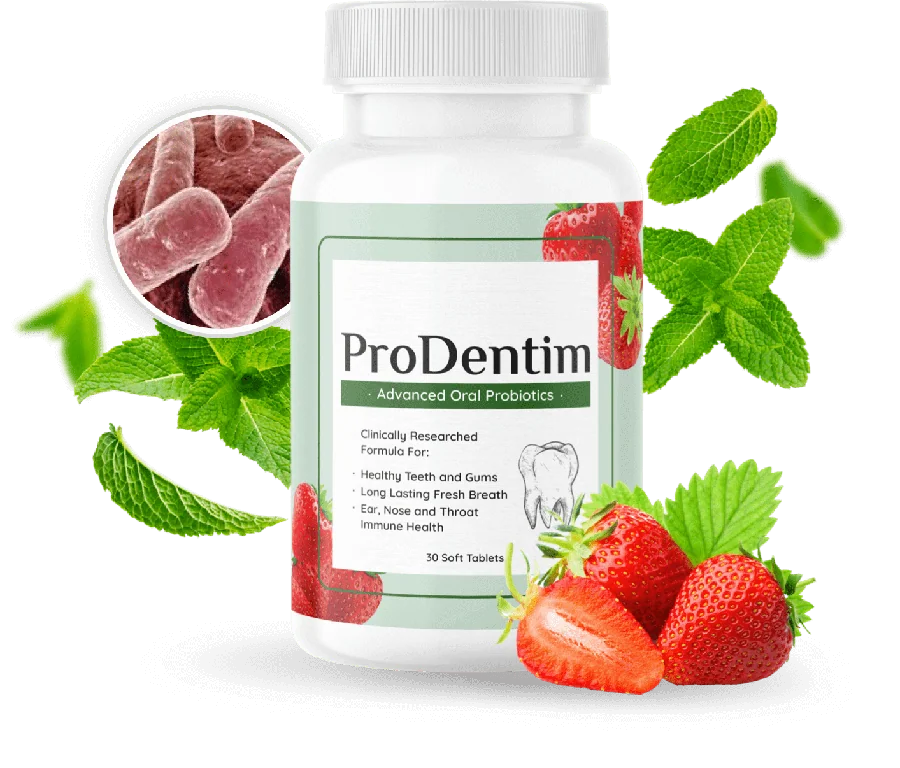
ProDentim Review: Does This Oral Probiotic Really Support Gums and Teeth?
A dissolvable probiotic tablet marketed for gum and tooth health, sold on the official website with a 60-day money-back guarantee; the health claims are largely unverified.
Read the reviewFrequently Asked Questions About Peppermint
Does peppermint really work?
The best evidence is for enteric-coated peppermint oil for IBS symptoms over the short term, and guidelines mention it. Evidence for nausea, headache and indigestion is limited. Peppermint leaf and tea have very little research.
Is peppermint safe?
Peppermint oil appears safe at commonly used amounts for most adults. Heartburn, nausea and skin irritation are the main side effects. It should not be used on the faces of young children, and people with reflux or who take certain medicines should ask a clinician first.
Is peppermint oil the same as peppermint tea?
No. The oil is concentrated and has most of the research. Tea is a weak infusion of the leaf and has very little clinical research behind it.
Can peppermint cause heartburn?
Yes, it can. Peppermint oil may relax the valve at the bottom of the esophagus. Enteric-coated capsules are meant to reduce this, but they do not remove the risk.
Can I use peppermint oil on my child?
Do not put it on the face of an infant or young child, and keep them from inhaling it, because menthol may cause serious effects. Ask a pediatric clinician before using it at all.
Sources
- Peppermint Oil — NCCIH (NIH)
- Irritable Bowel Syndrome: What You Need To Know — NCCIH (NIH)
- Peppermint Interactions Overview — HelloPharmacist
Last reviewed: