Menthol: Benefits, Research & Safety
Menthol is the compound in peppermint and corn mint oils that produces a cool, minty sensation. It is used in topical rubs, lozenges, balms and some oral peppermint oil products. People use it mostly for its cooling feel and for temporary relief of minor aches or throat irritation.
Menthol Ingredient Guide
Also known as: menthol, peppermint camphor, levomenthol (l-menthol), mint camphor, from Mentha piperita and Mentha arvensis
- What it is
- Menthol is a waxy, aromatic compound found in the oils of peppermint (Mentha piperita) and corn mint (Mentha arvensis). It can also be made synthetically.
- What it does
- Menthol activates TRPM8, a cold-sensing receptor on nerve endings, which creates a cooling feeling that can distract from minor pain or itch. Research on this mechanism comes mostly from lab and animal work. At higher concentrations it can cause burning and irritation instead.
- How it is used
- It is mainly applied to the skin in creams, gels, patches and balms, and used in lozenges and flavorings. Menthol is also the main active part of peppermint oil, which is taken in capsules in some products.
- Natural sources and forms
- Menthol is extracted from mint oils or synthesized, and sold as crystals, topical products and as a component of peppermint oil. Over-the-counter topical products often contain roughly 5 to 16% menthol.
- Why it appears in formulas
- Makers add it for its cooling sensation, minty flavor and aroma. In oral peppermint oil products, it is part of the oil that has been studied for digestive comfort.
- What to know before use
- Do not apply menthol to the face or nose, or let it be inhaled, in infants or young children, because it can affect breathing. Keep products away from broken skin and eyes, and store them out of children's reach, since swallowing large amounts can be poisonous.
What the Research Says
Overall: Limited evidence
The research on menthol as a single ingredient is limited. Most of what is known about how it works comes from lab and animal studies. These show that menthol activates the TRPM8 cold receptor, and in mice removing this receptor eliminated menthol's pain-dampening effect.
Human evidence is mixed in scope and quality. A 2022 review of menthol and pain described trials of menthol-related products in musculoskeletal, neuropathic, cancer and postoperative pain. I could not verify effect sizes from the portions I read, so findings should be treated as early and varied.
For digestive use, the research is on peppermint oil rather than menthol alone. NIH's NCCIH notes that peppermint oil appears safe at commonly used amounts and has been studied for irritable bowel syndrome symptoms. An older NCCAM fact sheet said several studies suggested possible benefit for IBS but found no clear evidence for other conditions. Results for peppermint oil should not be assumed to apply to isolated menthol.
Overall, menthol reliably produces a cooling sensation. Claims beyond that, such as lasting pain relief, need larger, well-controlled human trials.
| Studied for | What the research says | Evidence |
|---|---|---|
| Cooling sensation | Lab and animal studies show menthol activates the TRPM8 cold receptor on sensory nerves, which explains the cooling feel. This is a sensory effect rather than a true drop in skin temperature. | Moderate evidence |
| Minor aches and pain (topical) | A 2022 review discusses menthol-containing products in several pain types, and mouse work links its pain-dampening effect to TRPM8. Human trial results are varied, and I could not confirm consistent effect sizes. | Limited evidence |
| Digestive comfort (as peppermint oil) | Several studies of peppermint oil, of which menthol is the main component, have looked at irritable bowel syndrome symptoms. These do not test isolated menthol. | Limited evidence |
| Other uses (cough, congestion, itch) | Menthol is common in lozenges and chest rubs, but NCCAM noted no clear-cut evidence for peppermint oil in other conditions. Menthol can make airflow feel easier without changing airflow itself. | Early evidence |
Did you know? Cool without being cold
Menthol does not actually lower skin temperature. It switches on TRPM8, the same nerve receptor that detects real cold, so your brain reads it as cooling. At higher concentrations, the same pathway can cause burning and irritation.
Amounts Used in Studies
These are amounts researchers used, not dosing advice. Ask your doctor or pharmacist what is right for you.
| Form | Amount | Study context |
|---|---|---|
| Topical over-the-counter products | about 5-16% menthol | Concentration range described in a review of menthol for pain; higher strengths are more likely to irritate skin |
| Peppermint oil (oral, containing menthol) | varies by study and product | Studied in people with irritable bowel symptoms; NCCIH says oral use appears safe at commonly used amounts |
Safety, Side Effects and Interactions
Used on the skin in typical products, menthol is usually well tolerated, but it can cause rashes, redness, stinging or burning, especially at higher concentrations or on damaged skin. Allergic reactions are possible. NCCIH lists heartburn, nausea, abdominal pain and dry mouth as possible side effects of oral peppermint oil, and notes allergic reactions are rare.
Menthol should not be inhaled by, or applied to the face of, an infant or small child, as it may affect their breathing.
MedlinePlus identifies menthol as the part of peppermint oil that can be poisonous in large amounts, and a MedlinePlus herb monograph archived from 2008 said very large amounts could be deadly. Swallowing topical ointments or concentrated products is a poisoning risk, so call Poison Control (1-800-222-1222 in the US) or seek emergency care after a large ingestion.
Avoid heat pads or tight bandages over menthol products, since this may raise the risk of skin irritation or burns.
Possible interactions
- Peppermint oil may slow intestinal transit, which could change how quickly or how much of other oral medicines is absorbed.
- Peppermint oil and menthol have been shown in lab studies to inhibit the liver enzyme CYP3A4, but the real-world effect in people is unclear.
- Interaction research is incomplete, so people on prescription medicines should ask a pharmacist or doctor before regular oral use.
- Using other topical products on the same skin area may increase irritation.
Avoid it or ask a doctor first if
- Infants and young children (face, nose or inhalation)
- Known allergy to menthol or mint
- Broken, burned or very irritated skin
- Taking medicines with a narrow safety margin, unless a clinician approves oral peppermint oil
- Frequent heartburn or reflux, for oral peppermint oil products
- Pregnant or breastfeeding, unless a clinician approves
Supplements We've Reviewed That Contain Menthol
Each review checks the full formula, price, refund policy and side effects.
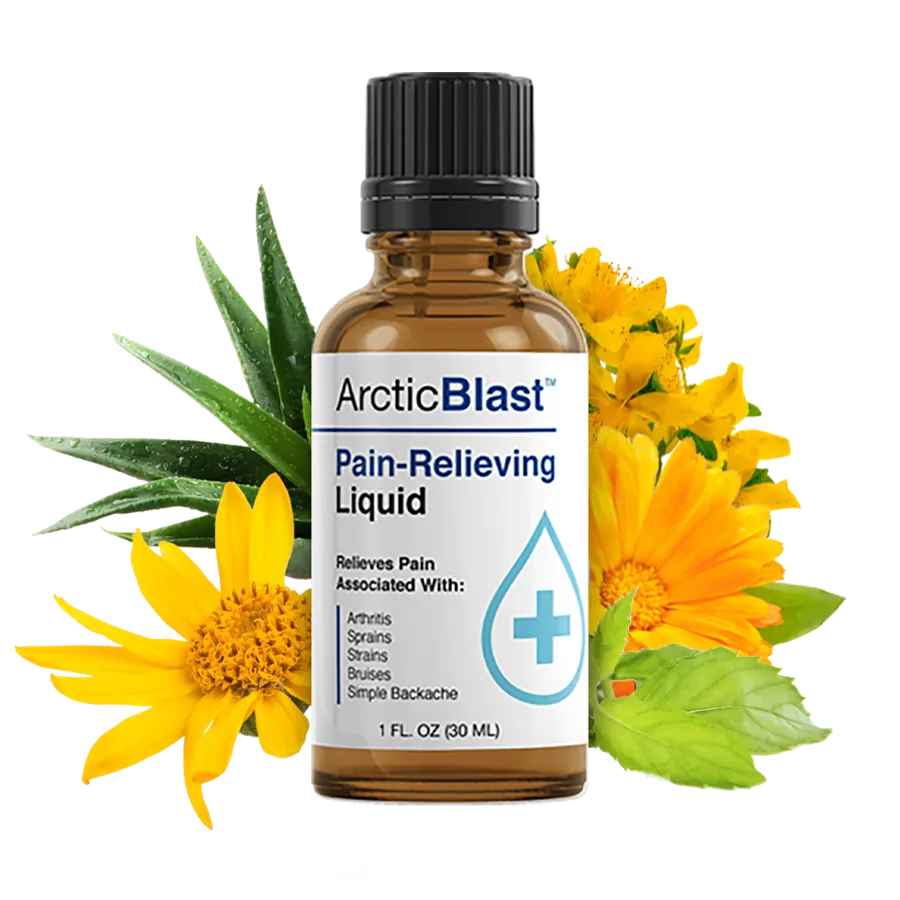
ArcticBlast Review: Does This Cooling Liquid Really Work?
A menthol-based topical cooling liquid marketed for temporary relief of occasional aches, sold through the official website.
Read the reviewFrequently Asked Questions About Menthol
Does menthol really work?
Menthol reliably produces a cooling sensation, and lab research explains how through the TRPM8 receptor. For pain relief, human research is limited and varied, so any relief is likely to be mild and short-lived. Digestive findings relate to peppermint oil, not menthol alone.
Is menthol safe?
Typical over-the-counter topical products are generally well tolerated, but can irritate skin or cause allergic reactions. It should not be used on the face of infants or young children, and large amounts swallowed can be poisonous. Ask a doctor first if you are pregnant, take medicines or have a health condition.
What is the difference between menthol and peppermint oil?
Peppermint oil is a mix of compounds, and menthol is its main active component. Studies on peppermint oil capsules cannot be assumed to apply to pure menthol, and the reverse is also true.
Can menthol cause burns?
Yes, it can irritate or burn skin, especially at high concentrations, on damaged skin, or when used under heat or tight wraps. Stop using it and rinse if the skin burns or blisters.
Can children use menthol products?
NCCIH advises that menthol should not be inhaled by or applied to the face of an infant or small child, as it can affect breathing. Ask a pediatrician before using any menthol product on a child.
Sources
- Peppermint Oil — NCCIH
- The distinctive role of menthol in pain and analgesia: Mechanisms, practices, and advances — Frontiers in Molecular Neuroscience (PMC)
- Peppermint oil poisoning — MedlinePlus
- Menthol poisoning — MedlinePlus
- Assessment report on Mentha x piperita L., folium and aetheroleum — European Medicines Agency
Last reviewed: