Other Unnamed Ingredients: What the Label Phrase Means
"Other unnamed ingredients" is not a single substance. It is a catch-all phrase that sometimes shows up in product listings or marketing for everything in a supplement besides the headline ingredients. Nothing can be said about its benefits as a group. What matters is what is actually in the product, so this guide explains how to read it.
Other Unnamed Ingredients Ingredient Guide
Also known as: other unnamed ingredients, other ingredients, inactive ingredients, excipients, non-dietary ingredients
- What it is
- A vague label phrase, not a defined ingredient. It may refer to fillers, binders, capsule materials, flavors, colors, sweeteners, or other added substances.
- What it does
- It has no effect of its own as a group. Individual added ingredients usually help with manufacturing, stability, taste or appearance. Some may be active compounds that are not clearly named.
- How it is used
- People do not take it on purpose. It is simply part of whatever product they buy. The useful step is to find the full, named list on the physical product.
- Natural sources and forms
- In the US, ingredients not listed in the Supplement Facts panel are normally listed by name in an "Other Ingredients" statement under it. Typical examples are binders, fillers, flavors, colors and sweeteners.
- Why it appears in formulas
- Makers add these substances so tablets hold together, powders flow and mix, capsules form, and products taste acceptable and last on the shelf.
- What to know before use
- A vague phrase is not enough information if you have allergies, take medicines or have a medical condition. Check the full named ingredient list, or ask the maker, before you use the product.
What the Research Says
Overall: Limited evidence
There is no body of human research on "other unnamed ingredients" because it is not a substance. Any study would have to look at a specific named ingredient, such as a particular filler, sweetener or coloring.
What can be said comes from regulatory and consumer guidance. The NIH Office of Dietary Supplements explains that a Supplement Facts label lists active ingredients, amount per serving and other added ingredients such as fillers and binders. FDA labeling guidance treats binders, colors, excipients, fillers, flavors and sweeteners as ingredients that belong in an ingredient statement.
NIH also notes that it is hard to judge a supplement's quality from its label. FDA does not decide whether supplements are effective before they are sold. Companies are responsible for making sure their products are safe and their labels are truthful.
If a product lists a vague phrase and does not name everything, you cannot know what you are getting. That is a transparency gap, not a proven health risk.
| Studied for | What the research says | Evidence |
|---|---|---|
| Label transparency | US labeling guidance expects added non-dietary ingredients to be listed in an ingredient statement. A vague phrase alone is a reason to look for the full list. | Moderate evidence |
| Proprietary blends | ODS notes that blends list a total weight and components in order of predominance, so individual amounts can stay hidden. This makes it harder to judge how much of each ingredient you are taking. | Moderate evidence |
| Product quality | NIH states that a product's quality is difficult to determine from its label alone. Third-party testing programs may add some information. | Limited evidence |
| Health effects as a group | No human studies exist for the phrase itself. Effects depend entirely on the specific ingredients involved. | Early evidence |
Did you know? Where the label detail lives
In the US, ingredients that are not in the Supplement Facts panel are normally listed in an "Other Ingredients" statement beneath it. The NIH Office of Dietary Supplements says these are listed by weight in descending order. So the details are often on the physical product even when an online listing is vague.
Amounts Used in Studies
These are amounts researchers used, not dosing advice. Ask your doctor or pharmacist what is right for you.
| Form | Amount | Study context |
|---|---|---|
| Not applicable | No amount studied | The phrase is not a defined ingredient, so there are no studies and no amounts used in research. |
Safety, Side Effects and Interactions
Safety depends on what is actually in the product. Most added ingredients, such as common binders and capsule materials, are used in small amounts and are generally well tolerated. Even so, some people react to them.
Possible concerns include allergens (for example soy, milk, wheat, gluten, shellfish or tree nuts), certain dyes, sugar alcohols that can loosen stools, and added sweeteners or flavors that matter for some medical diets. Animal-derived capsules may not suit vegetarians or people following religious dietary rules.
The bigger problem with unnamed ingredients is that you cannot check for these things. NIH says supplement makers are responsible for the safety of their products and the truthfulness of their labels, and FDA does not review effectiveness before sale. Report any suspected reaction to a health professional. In the US you can also report it through FDA's MedWatch program.
Possible interactions
- Interactions cannot be assessed when ingredients are not named, so ask a pharmacist before combining the product with prescription medicines.
- Undisclosed active compounds could interact with blood thinners, diabetes medicines, blood pressure medicines or sedatives, but this depends on the actual ingredients.
- Some added sweeteners or sugar alcohols can affect digestion or carbohydrate intake, which may matter for people managing blood sugar.
Avoid it or ask a doctor first if
- You have a known food allergy or intolerance and the full ingredient list is unclear
- You are pregnant or breastfeeding and cannot verify every ingredient
- You take prescription medicines and the product does not name everything in it
- You follow a vegan, kosher, halal or gluten-free diet and cannot confirm the ingredients
- You are giving it to a child or a person with a serious medical condition without medical advice
Supplements We've Reviewed That Contain Other Unnamed Ingredients
Each review checks the full formula, price, refund policy and side effects.
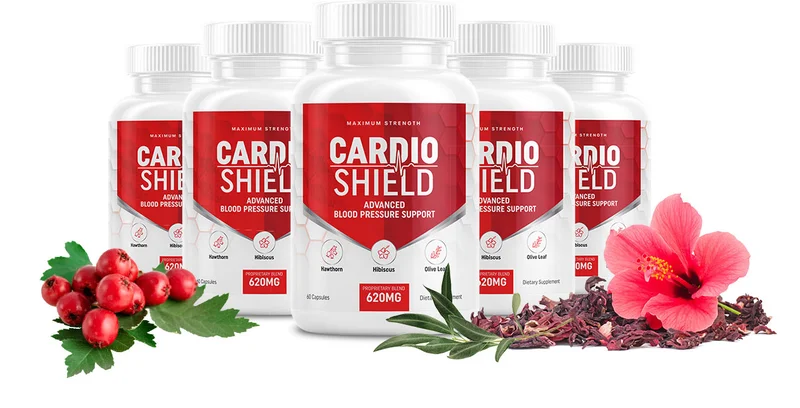
Cardio Shield Review: Does It Really Support Healthy Blood Pressure?
A blood-pressure dietary supplement sold in 1-, 3- and 6-bottle packages through the official website, with a 180-day refund offer that has strict return conditions.
Read the reviewFrequently Asked Questions About Other Unnamed Ingredients
Does other unnamed ingredients really work?
It is not a single ingredient, so there is nothing to "work" and no research on it as a group. Any effect comes from the specific named ingredients in a product. Look at the evidence for each of those.
Is other unnamed ingredients safe?
That depends on what is actually in the product. Many added ingredients are common and well tolerated, but some can cause allergic or digestive reactions. Because an unnamed ingredient cannot be checked, it is wise to find the full list before use.
Where can I find the real list of other ingredients?
Look at the Supplement Facts panel and the "Other Ingredients" line on the product itself. If it is missing or vague, contact the maker and ask for a complete list. Be cautious if they cannot provide one.
Are inactive ingredients always harmless?
No. They are usually used in small amounts, but they can still matter for allergies, intolerances and dietary rules. People with such concerns should check each one.
How can I judge a supplement's quality?
NIH notes that quality is hard to judge from the label alone. You can look for clear, complete ingredient lists, avoid products that hide amounts in blends, and consider products tested by independent third parties. A pharmacist or doctor can also help you review a product.
Sources
- Dietary Supplements: What You Need to Know — NIH Office of Dietary Supplements
- Background Information: Dietary Supplements — NIH Office of Dietary Supplements
- Dietary Supplement Labeling Guide, Chapter V: Ingredient Labeling — U.S. FDA
- Questions and Answers on Dietary Supplements — U.S. FDA
Last reviewed: