Niacinamide: Benefits, Research & Safety
Niacinamide, also called nicotinamide, is a form of vitamin B3 found in foods and supplements. People take it to meet their B3 needs and for skin health. It has been studied for skin cancer prevention in high-risk adults, with mixed results.
Niacinamide Ingredient Guide
Also known as: Nicotinamide, Vitamin B3 (amide form), Nicotinic acid amide, Niacin amide
- What it is
- Niacinamide is the amide form of vitamin B3 (niacin). The body uses it to make NAD+, a molecule involved in energy metabolism.
- What it does
- It is thought to support cell energy production and DNA repair through NAD+. In skin, it may help cells recover from sun-related damage and immune suppression.
- How it is used
- It is taken as a capsule or tablet, often in multivitamins and B-complex products. It is also widely used in skin-care creams, which are a separate topic.
- Natural sources and forms
- Food sources include meat, fish, poultry, fortified cereals and some nuts and legumes. Supplements use synthetic nicotinamide, which is chemically identical to the natural form.
- Why it appears in formulas
- Makers add it as a B3 source that does not usually cause the flushing seen with nicotinic acid. It also appears in skin, energy and healthy-aging blends.
- What to know before use
- Higher amounts can cause stomach upset and, at very high doses, liver problems. Talk to a doctor before taking more than the amount in a standard multivitamin, especially if you have liver disease or take prescription drugs.
What the Research Says
Overall: Limited evidence
Human research on niacinamide supplements is uneven. Its role in preventing B3 deficiency (pellagra) is well established, but most people in the US get enough from food.
The best-known trial is ONTRAC, a phase 3, double-blind, placebo-controlled study in 386 Australian adults with at least two prior nonmelanoma skin cancers. Taking 500 mg twice daily for 12 months was linked to a 23% lower rate of new nonmelanoma skin cancers than placebo. A later trial in organ transplant recipients (ONTRANS) found no difference from placebo. That trial ended early because too few people enrolled, and it included 158 participants.
The skin findings apply to people at high risk who are under medical care. They do not show that it prevents skin cancer in the general population, and they do not show an effect on melanoma. Other areas, such as kidney health and healthy aging through NAD+ boosting, are mostly early-stage. Many of those studies are small, short or done in animals or cells.
Overall, the evidence supports its role as a vitamin. Its use for skin cancer prevention is promising in one group but mixed overall. Other uses are not well proven.
| Studied for | What the research says | Evidence |
|---|---|---|
| Vitamin B3 status | Niacinamide is a recognized form of vitamin B3 and can correct niacin deficiency. Deficiency is uncommon in the US. | Strong evidence |
| Nonmelanoma skin cancer in high-risk adults | In the ONTRAC trial, 500 mg twice daily for 12 months was linked to a 23% lower rate of new nonmelanoma skin cancers in people with prior skin cancers. It did not test people without prior skin cancer or melanoma. | Moderate evidence |
| Skin cancer in transplant recipients | The ONTRANS trial found no difference in new skin cancers between niacinamide and placebo in organ transplant recipients. It ended early with fewer participants than planned. | Limited evidence |
| Actinic keratoses (precancerous spots) | In ONTRAC, actinic keratoses were about 11% lower at 3 months and 20% lower at 9 months than with placebo. Results in other groups are not consistent. | Limited evidence |
| NAD+ boosting and healthy aging | Niacinamide can raise NAD+ levels, but evidence that this improves health outcomes in people is early. | Early evidence |
Did you know? Niacin and niacinamide are not the same in the body
Both are forms of vitamin B3 and both can be used to make NAD+. But nicotinic acid can cause a hot, red flush and is used at high doses for cholesterol, while niacinamide generally does not cause flushing and does not have the same effect on cholesterol.
Amounts Used in Studies
These are amounts researchers used, not dosing advice. Ask your doctor or pharmacist what is right for you.
| Form | Amount | Study context |
|---|---|---|
| Nicotinamide (oral) | 500 mg twice daily (1,000 mg/day) | 12-month trials in adults with prior skin cancers (ONTRAC) and in transplant recipients (ONTRANS), under study supervision |
| Niacin (all forms) Tolerable Upper Intake Level | 35 mg/day for adults | A flushing-based limit that applies to niacin from supplements and fortified foods. Studies used much more under supervision, so talk to a doctor before exceeding it. |
Safety, Side Effects and Interactions
At the amounts in multivitamins, niacinamide is generally well tolerated. It usually does not cause the skin flushing that nicotinic acid does.
The NIH consumer fact sheet notes that at about 500 mg/day or more, nicotinamide can cause diarrhea, easy bruising and more bleeding from wounds. Liver damage has been reported at much higher amounts, around 3,000 mg/day or more. The National Academies set a Tolerable Upper Intake Level for adults of 35 mg/day for all supplemental niacin forms, based on flushing. Other expert bodies have proposed higher limits for nicotinamide specifically.
In the skin cancer trials, adverse events were similar to placebo, but those trials lasted 12 months and were closely monitored. Long-term safety of high amounts in the general population is not well studied. Other possible effects include nausea, stomach discomfort, and changes in blood sugar or liver tests. Anyone taking more than the usual supplement amounts should have a doctor monitor them.
Possible interactions
- Blood thinners and antiplatelet drugs: high amounts may increase bruising or bleeding.
- Diabetes medicines: niacin forms may affect blood sugar, so monitoring may be needed.
- Carbamazepine and some seizure medicines: nicotinamide may raise their blood levels, so check with a prescriber.
- Liver-affecting medicines and alcohol: combining them with high amounts may add to liver strain.
- Cholesterol-lowering statins: this is mostly a nicotinic acid concern, but ask a pharmacist about combinations.
Avoid it or ask a doctor first if
- Liver disease
- Active stomach ulcer
- Bleeding disorders or upcoming surgery
- Diabetes (ask a doctor first)
- Pregnant or breastfeeding (use only standard-vitamin amounts unless advised)
- Taking blood thinners or seizure medicines
- Organ transplant recipients (ask the transplant team)
Supplements We've Reviewed That Contain Niacinamide
Each review checks the full formula, price, refund policy and side effects.
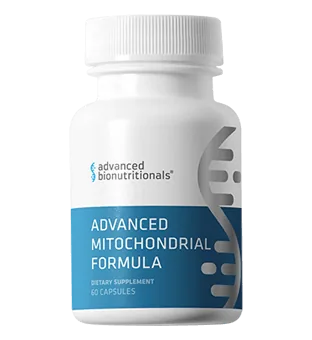
Advanced Mitochondrial Formula Review: Is It Legit and Does It Work?
A mitochondria-focused supplement with niacinamide, D-ribose, PQQ and eight other nutrients, sold on the official website with a 90-day refund offer.
Read the reviewFrequently Asked Questions About Niacinamide
Does niacinamide really work?
It works as a source of vitamin B3, which the body needs. In one large trial in high-risk adults, it was linked to fewer new nonmelanoma skin cancers, but a trial in transplant recipients found no benefit. Evidence for other uses is limited or early.
Is niacinamide safe?
At typical multivitamin amounts it is generally well tolerated. Higher amounts may cause diarrhea, bruising or, at very high amounts, liver problems. Ask a doctor before taking more than a standard vitamin amount.
Is niacinamide the same as niacin?
Both are vitamin B3, but they are different forms. Niacin (nicotinic acid) can cause flushing and affects cholesterol at high doses. Niacinamide usually does not cause flushing.
Can niacinamide prevent skin cancer?
Research suggests it may lower new nonmelanoma skin cancers in people who have had several before, but it was not shown to help people without prior skin cancer or against melanoma. It does not replace sunscreen or skin checks.
Is oral niacinamide the same as niacinamide in skin creams?
No. Studies on pills and on creams are separate, and results from one do not apply to the other. This guide covers oral supplements.
Sources
- Niacin Consumer fact sheet — NIH Office of Dietary Supplements
- A Phase 3 Randomized Trial of Nicotinamide for Skin-Cancer Chemoprevention — PubMed (NEJM)
- Nicotinamide for skin cancer chemoprevention in solid organ transplant recipients — The ASCO Post
- Nicotinamide for Skin-Cancer Chemoprevention in Transplant Recipients — Ovid (NEJM)
- Niacin — National Academies Press (Dietary Reference Intakes)
Last reviewed: