Neem: Benefits, Research & Safety
Neem is a tree native to the Indian subcontinent. Its leaves, bark, seeds and oil have long been used in Ayurvedic traditions. Supplement makers add it to joint and general wellness formulas, but good human research is thin and some forms carry real safety concerns.
Neem Ingredient Guide
Also known as: Azadirachta indica, Indian lilac, Margosa, Nimba
- What it is
- Neem (Azadirachta indica) is an evergreen tree whose leaves, bark, seeds and seed oil are used in traditional Indian medicine. Its compounds include limonoids such as azadirachtin and nimbolide, and various flavonoids.
- What it does
- Lab and animal studies suggest neem compounds may have antioxidant, anti-inflammatory and antimicrobial activity. These effects have not been well confirmed in people.
- How it is used
- Neem leaf is taken as capsules, powders, teas or extracts. Neem is also used in mouthwashes, gels, and skin products. Neem oil is mainly used on the skin.
- Natural sources and forms
- Supplements most often use dried leaf powder or leaf, bark or seed extracts. There is no widely accepted standardization, so the content of active compounds varies between products.
- Why it appears in formulas
- Makers add neem because of its traditional reputation for joint comfort, skin and general wellness. Its lab antioxidant and anti-inflammatory activity is also cited. These marketing claims go well beyond what human trials have shown.
- What to know before use
- Do not give neem, especially neem oil, to infants or children, and avoid it in pregnancy, when trying to conceive, or after an organ transplant. Talk to a doctor first if you take diabetes or immune-suppressing medicines or have liver or kidney disease.
What the Research Says
Overall: Limited evidence
Most neem research is in test tubes and animals. Human studies are few, usually small and short, and often use topical or oral-rinse products rather than capsules. Reviews of the evidence note that data are insufficient for most uses.
The best-supported area is oral health. Some small trials of neem mouthwash or gel found less dental plaque and gingivitis. It is unclear whether neem works as well as standard products such as chlorhexidine. Claims for joint, blood sugar, skin, immune, brain or other benefits come mostly from animal and lab work, or from tiny human studies that cannot be generalized.
Products also vary a lot. Different plant parts, extraction methods and doses make it hard to compare studies. There is no established effective dose for oral neem.
Overall, research suggests neem is biologically active, but there is not enough high-quality human evidence to say it reliably supports any health goal when taken as a capsule.
| Studied for | What the research says | Evidence |
|---|---|---|
| Dental plaque and gum health | Small trials of neem mouthwash or gel reported less plaque and gingivitis than placebo. It is not clear that it matches standard antiseptic rinses. | Limited evidence |
| Blood sugar | Animal studies and a few small human studies suggest neem may lower blood sugar. Evidence is too weak to rely on, and it raises a risk of low blood sugar with diabetes medicines. | Early evidence |
| Joint comfort and inflammation | Neem compounds show anti-inflammatory activity in lab and animal studies. Good human trials of oral neem for joint comfort are lacking. | Early evidence |
| Skin and wound uses | Traditional topical use is common, but controlled human data on wound healing, acne or other skin conditions are sparse and need further study. | Early evidence |
Did you know? A tree called the village pharmacy
In India, neem is sometimes called the village pharmacy because nearly every part of the tree has a traditional use. Twigs have been chewed as natural toothbrushes, which may partly explain why dental research is where neem has the most human data.
Amounts Used in Studies
These are amounts researchers used, not dosing advice. Ask your doctor or pharmacist what is right for you.
| Form | Amount | Study context |
|---|---|---|
| Neem leaf mouthwash or gel (topical or rinse) | Concentrations varied between studies | Short trials in adults measuring dental plaque and gum inflammation |
| Oral leaf or bark extract | No established amount; varied widely | Small, short studies with inconsistent designs; no standard dose exists |
Safety, Side Effects and Interactions
Safety depends heavily on the form. Neem oil taken by mouth is the main concern. In infants and young children it has been linked to vomiting, liver injury, metabolic acidosis, seizures and brain problems. LiverTox classifies neem (margosa) oil as a probable rare cause of clinically apparent liver injury.
For adults, short-term use of neem leaf in amounts found in food or supplements appears to be tolerated by many people, but long-term safety data are lacking. Reported or possible effects include stomach upset, nausea and, rarely, liver problems. Neem may lower blood sugar. Some evidence suggests neem may harm sperm and reduce fertility. Neem oil and bark are considered likely unsafe by mouth in pregnancy.
Because neem products are lightly regulated and not standardized, content and purity can vary. Stop use and seek medical care if you notice yellowing of the skin or eyes, dark urine, severe stomach pain or unusual fatigue.
Possible interactions
- Diabetes medicines: neem might lower blood sugar and add to their effect, risking low blood sugar.
- Immunosuppressants (for transplants or autoimmune disease): neem might stimulate the immune system and work against these drugs.
- Acetaminophen and other medicines that can stress the liver: combined use may raise the risk of liver toxicity.
- Lithium: neem might have a diuretic effect and affect lithium levels, so ask a pharmacist.
- Surgery: it is often advised to stop neem about two weeks before surgery because of its effect on blood sugar.
Avoid it or ask a doctor first if
- Infants and children (especially neem oil)
- Pregnant or breastfeeding
- Trying to conceive
- Organ transplant recipients or others on immunosuppressants
- Taking diabetes medicines
- Liver or kidney disease
- Planning surgery within two weeks
Supplements We've Reviewed That Contain Neem
Each review checks the full formula, price, refund policy and side effects.

Pineal Guardian X Review: Does It Really Support Healthy Memory?
A multi-herb dropper formula sold on the official website that claims to flush fluoride from the pineal gland and restore melatonin, with no independent clinical evidence for the product itself.
Read the review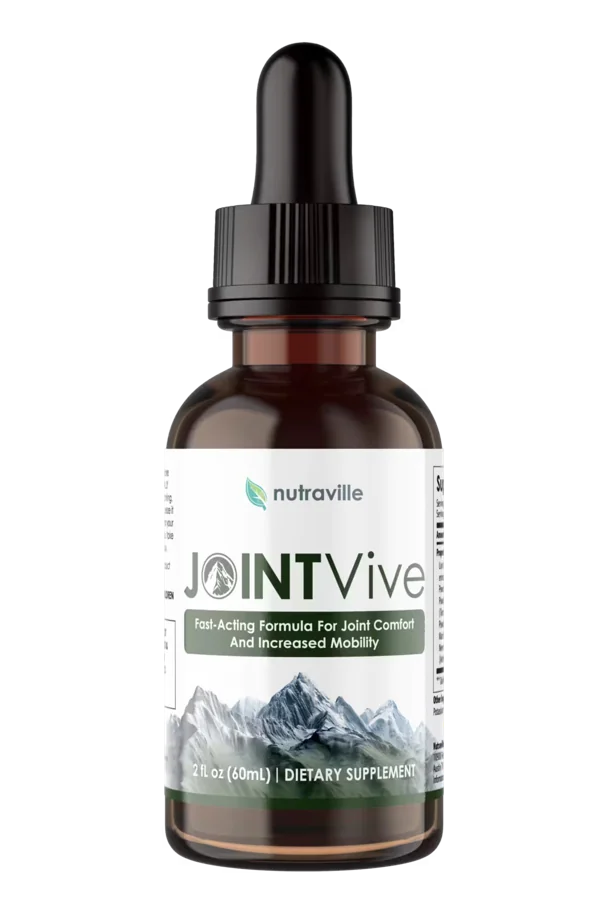
JointVive Review: Does It Really Support Joint Comfort?
A nine-ingredient plant and botanical supplement sold on the official website, marketed for joint comfort and mobility.
Read the review
NeuroPrime Review: Does It Really Support Healthy Memory?
A nine-ingredient plant-based memory-support supplement sold through the official website with a 365-day money-back guarantee.
Read the reviewFrequently Asked Questions About Neem
Does neem really work?
The evidence is limited. Some small trials suggest neem mouthwash or gel may reduce dental plaque, but good human evidence for oral neem supplements is lacking. Most other claims rest on lab and animal studies.
Is neem safe?
It depends on the form and the person. Neem oil taken by mouth is hazardous for children and has been linked to liver and brain toxicity. Neem is also not advised in pregnancy, when trying to conceive, or after an organ transplant. Long-term safety of leaf supplements is not well studied.
Can neem affect blood sugar?
Animal and some small human studies suggest neem may lower blood sugar. People who take diabetes medicines should talk to a doctor before using it, as it could cause blood sugar to drop too low.
Is neem oil the same as neem leaf?
No. Neem oil comes from the seeds and is mainly intended for use on the skin. Taken by mouth, it carries the most serious safety concerns. Leaf products are a different preparation, though they are less studied.
Can I take neem with other supplements or medicines?
Check with a doctor or pharmacist first. Neem may interact with diabetes drugs, immune-suppressing drugs and medicines that affect the liver. Products also vary in content, so read labels carefully.
Sources
- Neem (Margosa) Oil — LiverTox, NCBI Bookshelf
- Neem — Memorial Sloan Kettering Cancer Center
- Neem — RxList supplements monograph
- Neem's therapeutic uses — EBSCO Research Starters
- Neem (Azadirachta indica) — Healthline
Last reviewed: