Moomiyo (Shilajit): Benefits, Research & Safety
Moomiyo, better known as shilajit or mumie, is a tar-like resin that seeps from rocks in mountain regions. It has a long history in traditional Ayurvedic practice. Today people take it for energy, vitality and general wellness, but the human research is small and limited, and product quality varies a lot.
Moomiyo (Shilajit) Ingredient Guide
Also known as: Shilajit, Mumie, Mumijo, Shilajeet, Mineral pitch, Asphaltum punjabianum
- What it is
- Moomiyo is a dark, sticky substance that forms slowly from decomposed plant matter squeezed between rock layers in high mountains such as the Himalayas and Altai. It contains fulvic acid, other humic substances and trace minerals.
- What it does
- Its fulvic acid and related compounds are thought to have antioxidant activity and to influence energy metabolism and mineral transport. Most of this comes from lab and animal work, not from proven effects in people.
- How it is used
- It is sold as a purified resin, powder, capsule or tablet. Traditionally the resin is dissolved in warm water or milk.
- Natural sources and forms
- Raw resin is collected from rock faces and then purified, because raw material can carry metals and microbes. Products differ in fulvic acid content, and batches are not identical. Some trials used a standardized, patented extract.
- Why it appears in formulas
- Makers add it to men's health, energy and healthy-aging blends because of its traditional reputation and its fulvic acid content.
- What to know before use
- Raw or unpurified moomiyo may contain heavy metals and mold, so only consider products with independent third-party testing. Talk to a clinician first if you are pregnant, have a medical condition or take medicines.
What the Research Says
Overall: Limited evidence
Human research on shilajit is limited. Reviewers describe the clinical trials as few in number, small and often of modest methodological quality. The best-known trials tested one standardized, patented product, and the manufacturer promoted the results. That means independent confirmation is still lacking.
Small studies suggest shilajit may influence testosterone levels in men and may reduce fatigue. Cleveland Clinic notes these studies are more than a decade old and very small. Lab work on fulvic acid and brain cells, including amyloid, is early. It does not show a benefit for brain health in people.
There is also little information on long-term use. Animal and test-tube findings should not be read as proof of benefit in humans. Overall, current research is too thin to support firm claims, and results from one product cannot be assumed to apply to another.
| Studied for | What the research says | Evidence |
|---|---|---|
| Testosterone and male vitality | A few small human studies suggest shilajit may raise total testosterone in men. The studies are old and small, and they need independent replication. | Limited evidence |
| Fatigue and energy | Small studies suggest it may reduce fatigue, and the proposed mechanism involves mitochondrial energy pathways. Evidence is preliminary. | Limited evidence |
| Brain health | Lab studies of fulvic acid suggest it may affect amyloid and neuron function. No human data show a cognitive benefit. | Early evidence |
| Antioxidant activity | Test-tube and animal work shows antioxidant effects. This does not show a health benefit in people. | Early evidence |
Did you know? Why purification matters
Moomiyo forms in rock over a very long time. It absorbs whatever minerals and metals are in its surroundings. That is why raw resin can carry heavy metals and mold, and why traditional purification and modern lab testing matter.
Amounts Used in Studies
These are amounts researchers used, not dosing advice. Ask your doctor or pharmacist what is right for you.
| Form | Amount | Study context |
|---|---|---|
| Purified, standardized shilajit extract or resin | Roughly 250–500 mg/day (reported in small trials; check the original papers) | Short human trials, mostly in men and often using a single branded extract. Reported amounts vary between studies. |
Safety, Side Effects and Interactions
Purified shilajit appears to be well tolerated by most adults in the small studies done so far, but long-term safety data are scarce.
Reported side effects include sore throat, headache, dizziness, nausea, vomiting and diarrhea. Allergic reactions are possible. In women, higher testosterone could in theory cause acne, irregular periods or hair loss. One case report described pseudohyperaldosteronism (high blood pressure, low potassium).
Contamination is the main concern. Raw shilajit has been reported to contain aluminum, arsenic, cadmium, chromium, mercury, thallium, lead and fungi. A 2025 study found some supplements with higher thallium than raw shilajit. ConsumerLab's 2024 testing found the products it tested were below levels of concern at one dose a day, so quality varies by product. Supplements are not approved by the FDA before sale, so third-party testing and a certificate of analysis matter. Animal studies suggest it may raise iron levels.
Possible interactions
- It may add to the effects of blood thinners or other drugs that affect clotting, though this is not well studied.
- It may affect blood sugar, so people on diabetes medicines should ask a clinician.
- It may affect blood pressure or potassium, which matters for people on blood pressure medicines or diuretics.
- It may raise testosterone, which could interact with hormone therapies.
- Its possible effects on iron could matter for people taking iron supplements.
- It could add to immune-modulating drugs, so ask a clinician if you take immunosuppressants.
Avoid it or ask a doctor first if
- Pregnant, breastfeeding or trying to conceive
- Hemochromatosis or iron overload
- Heart disease or blood pressure problems
- Bleeding or clotting disorders, or taking blood thinners
- Diabetes, kidney disease or liver disease (ask a doctor first)
- Autoimmune or overactive immune conditions
- Hormone-sensitive conditions
- Children
- Taking raw or untested resin
Supplements We've Reviewed That Contain Moomiyo (Shilajit)
Each review checks the full formula, price, refund policy and side effects.
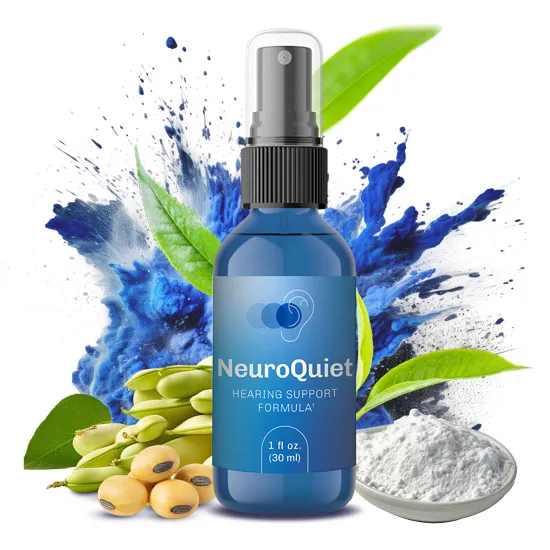
NeuroQuiet Review: Does This Oral Spray Really Work for Hearing and Tinnitus?
An oral-spray dietary supplement sold on the official website with claims to support hearing, mood, and energy; the claims are not backed by independent evidence found in this research.
Read the reviewFrequently Asked Questions About Moomiyo (Shilajit)
Does Moomiyo really work?
Research is limited. A few small human studies suggest possible effects on testosterone and fatigue. These are old, small and often used one branded product. It is too early to say it reliably works.
Is Moomiyo safe?
Purified products seem to be well tolerated by most adults in short, small studies. Long-term safety is not well known. Contamination with heavy metals is a real risk, and some groups should avoid it or ask a doctor first.
Are moomiyo and shilajit the same thing?
Yes. Moomiyo, mumie, mumijo and shilajit are different regional names for the same type of mineral-rich mountain resin. Composition varies by origin and processing.
How can I choose a safer product?
Look for independent third-party testing and a certificate of analysis showing heavy metal and microbial results. Avoid raw, unpurified resin. Be cautious with products that make big health or hormone claims.
Can women take moomiyo?
Research in women is lacking. Because shilajit may raise testosterone, women should ask a clinician first. Pregnant and breastfeeding women are generally advised to avoid it.
Sources
- Shilajit: Health Benefits, Risks, and Clinical Evidence — Cleveland Clinic
- Shilajit: a review — PubMed
- What's Really In Shilajit Supplements? Fulvic Acid & Heavy Metals — ConsumerLab
- What is shilajit? — Examine
- Shilajit review — Springer (BMC Chemistry)
Last reviewed: