L-Dopa Bean: Benefits, Research & Safety
L-dopa bean is the label name for the seed of Mucuna pruriens, also called velvet bean. The seeds naturally contain levodopa (L-dopa), which the body turns into dopamine. People take extracts for mood, male reproductive health and general vitality. Most of the human research is small and focuses on Parkinson's disease.
L-Dopa Bean (Mucuna pruriens) Ingredient Guide
Also known as: Mucuna pruriens, Velvet bean, Cowhage, Kapikacchu, Atmagupta, Levodopa bean
- What it is
- L-dopa bean is the seed of Mucuna pruriens, a tropical legume. The seeds contain roughly 4% to 6% levodopa by weight, according to a systematic review.
- What it does
- Levodopa is a precursor that the body converts to dopamine, a brain chemical involved in movement, motivation and hormone signaling. Other seed compounds may also play a role, but this is not well established.
- How it is used
- It is taken as seed powder or as a standardized extract in capsules. It is also used in traditional Ayurvedic medicine. People take it hoping to support mood, sexual health and male fertility.
- Natural sources and forms
- Supplements use powdered seeds or extracts, often standardized to a stated percentage of levodopa. Levodopa content varies a lot between products, and some labels do not state it.
- Why it appears in formulas
- Makers add it as a natural dopamine-supporting ingredient in mood, focus, libido and male-health blends.
- What to know before use
- This seed contains a real drug, levodopa, so it can interact with medicines and affect blood pressure, mood and movement. Talk to a doctor or pharmacist before use, especially if you take any prescription medicine.
What the Research Says
Overall: Limited evidence
The best human research is in Parkinson's disease, where levodopa is an established drug. Small trials and pharmacokinetic studies compared Mucuna powder with standard levodopa/benserazide or levodopa/carbidopa tablets. A 2025 systematic review of clinical trials concluded that Mucuna shows promise for motor symptoms and for reducing treatment complications. It also said the clinical evidence is limited and that higher-quality trials are needed.
Outside Parkinson's disease, the evidence is thinner. A few small, older studies in men with infertility, some of them under psychological stress, reported changes in semen quality, hormones and antioxidant markers. These studies were small and mostly not replicated. Animal studies are mixed. Moderate doses looked favorable in some rat work, while high doses lowered testosterone in one rat toxicity study.
Research on mood, athletic performance and general wellness in healthy people is very limited. Findings from Parkinson's trials, where levodopa content was measured and supervised, do not carry over to over-the-counter products with unknown levodopa content.
| Studied for | What the research says | Evidence |
|---|---|---|
| Parkinson's disease motor symptoms | Small trials suggest Mucuna powder delivered levodopa and may have eased motor symptoms, with possibly fewer involuntary movements than standard drugs. A 2025 systematic review called the evidence promising but limited. | Limited evidence |
| Male fertility and semen quality | Small, older human studies in infertile men reported improved semen parameters and hormone changes. These studies were not large or well replicated. | Early evidence |
| Stress and antioxidant status | A small study in infertile men under stress reported better antioxidant markers and stress measures. Evidence in the general population is lacking. | Early evidence |
| Testosterone and mood in healthy people | Claims are mainly based on animal and test-tube work. High doses lowered testosterone in one rat study, so the direction of effect is unclear in people. | Early evidence |
Did you know? A bean that contains a drug
Levodopa, the main medicine for Parkinson's disease, occurs naturally in Mucuna pruriens seeds, and the herb has long been used in Ayurveda. In a small two-patient study, levodopa from Mucuna was absorbed less than from standard tablets. The authors linked this to the lack of a decarboxylase inhibitor in the seed. That may also help explain why involuntary movements were reported less often.
Amounts Used in Studies
These are amounts researchers used, not dosing advice. Ask your doctor or pharmacist what is right for you.
| Form | Amount | Study context |
|---|---|---|
| Mucuna pruriens seed powder (Parkinson's studies, levodopa content measured) | Single doses supplying levodopa in the range of standard drug doses, varying by study | Short, supervised crossover and pharmacokinetic studies in people with Parkinson's disease |
| Seed powder (male fertility studies) | Amounts varied; several small studies used a few grams of powder per day | Small trials lasting around 3 months in men with infertility; details differ by study |
Safety, Side Effects and Interactions
Because the seeds contain levodopa, the side effects resemble those of the drug. These include nausea, vomiting, stomach upset, dizziness, low blood pressure on standing, headache, and sometimes restlessness, agitation, insomnia, confusion or hallucinations. Higher amounts have been linked to involuntary movements (dyskinesia) in people with Parkinson's disease.
Levodopa content varies from product to product, so the effective amount is unpredictable. Long-term safety in healthy people is not well studied. Raw or poorly processed seeds are not suitable to eat and can cause toxicity. The plant's hairy pods can cause intense itching on contact. Animal data raise questions about high-dose effects on testosterone and sperm, which have not been settled in humans. Pregnancy and breastfeeding safety is not established. Stop use and seek medical advice if you notice mood changes, a racing heart or abnormal movements.
Possible interactions
- Levodopa/carbidopa and other Parkinson's drugs: combined use may add to levodopa effects and cause side effects, so medical supervision is needed.
- MAO inhibitor antidepressants and similar drugs (such as selegiline or phenelzine): may cause dangerous blood pressure spikes.
- Blood pressure medicines: levodopa can lower blood pressure and may add to their effects.
- Antipsychotics and dopamine-blocking drugs: may work against each other, and the combination may worsen symptoms.
- Antidepressants, stimulants and other serotonin or dopamine-active products: effects may stack and cause agitation or other side effects.
- Diabetes medicines: Mucuna has lowered blood sugar in some animal research, so glucose monitoring may matter.
- Iron supplements and high-protein meals may reduce levodopa absorption.
Avoid it or ask a doctor first if
- Taking Parkinson's medicines or MAO inhibitors
- Pregnant or breastfeeding
- History of psychosis, schizophrenia or severe anxiety
- Melanoma or suspicious skin lesions
- Heart disease or unstable blood pressure
- Diabetes (ask a doctor first)
- Peptic ulcer or glaucoma (ask a doctor first)
- Scheduled for surgery within two weeks
- Children
Supplements We've Reviewed That Contain L-Dopa Bean (Mucuna pruriens)
Each review checks the full formula, price, refund policy and side effects.
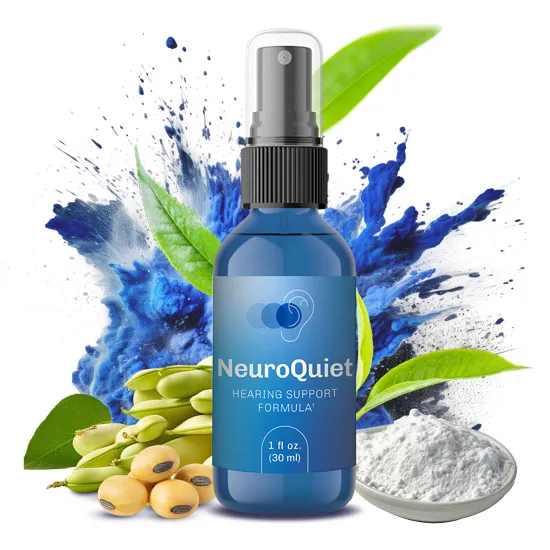
NeuroQuiet Review: Does This Oral Spray Really Work for Hearing and Tinnitus?
An oral-spray dietary supplement sold on the official website with claims to support hearing, mood, and energy; the claims are not backed by independent evidence found in this research.
Read the reviewFrequently Asked Questions About L-Dopa Bean (Mucuna pruriens)
Does L-Dopa Bean really work?
Small trials suggest the seed delivers levodopa, and a 2025 review of Parkinson's trials called the results promising but limited. For fertility, mood or energy in healthy people, the human research is small and early. It is not a proven treatment for any condition.
Is L-Dopa Bean safe?
It can cause nausea, dizziness, blood pressure changes and mood or sleep problems, as it contains levodopa. Long-term safety is not well studied, and it interacts with several common drugs. Speak with a healthcare professional before using it.
Is L-dopa bean the same as levodopa medicine?
No. The seed contains levodopa, but the amount varies and it lacks the carbidopa or benserazide added to prescription products. Supplements are not regulated like drugs, so levodopa content may differ from the label.
Can I use it instead of Parkinson's medicine?
No. Do not replace or add to prescribed treatment without your neurologist's guidance. Even small changes in levodopa intake can change symptoms and side effects.
Does it boost testosterone?
Claims mostly come from animal studies and small human fertility studies. One high-dose rat study actually found lower testosterone. Whether it raises testosterone in healthy men is unproven.
Sources
- Mucuna pruriens in Parkinson Disease: A Kinetic-Dynamic Comparison With Levodopa Standard Formulations — PubMed
- Mucuna pruriens Treatment for Parkinson Disease: A Systematic Review of Clinical Trials — PubMed
- Mucuna pruriens improves male fertility by its action on the hypothalamus-pituitary-gonadal axis — PubMed
- Anti-Parkinson botanical Mucuna pruriens prevents levodopa induced plasmid and genomic DNA damage — PubMed
- Mucuna pruriens research article — PubMed Central
Last reviewed: