Horsetail: Benefits, Research & Safety
Horsetail is a perennial plant whose above-ground stems have long been used in herbal teas and extracts. It is naturally rich in silicon compounds, so it often appears in hair, skin and nail formulas. Human research is thin, and safety questions exist, especially with certain products and medicines.
Horsetail Ingredient Guide
Also known as: Equisetum arvense, Field horsetail, Common horsetail, Bottlebrush, Shave grass
- What it is
- Horsetail is a fern relative, Equisetum arvense, that grows in damp areas of North America, Europe and Asia. The dried green stems are used in supplements and teas.
- What it does
- Horsetail contains silicon compounds, flavonoids and other plant chemicals. Makers suggest the silica supports keratin and connective tissue, but this is not well proven in people.
- How it is used
- It is taken by mouth as capsules, tablets, teas or liquid extracts. It is also used on the skin or nails in some topical products.
- Natural sources and forms
- Products use dried stem (herb) or extracts, sometimes labeled by silica content. Some are marketed as thiaminase-free, but MedlinePlus says reliable safety data for those are lacking.
- Why it appears in formulas
- Supplement makers add horsetail as a plant source of silica in hair, skin and nail blends. It is usually paired with biotin, vitamins and minerals.
- What to know before use
- Crude horsetail may contain an enzyme that breaks down thiamine (vitamin B1), and it may lower potassium. Talk to a healthcare professional first if you take medicines such as lithium, diuretics, diabetes or HIV drugs.
What the Research Says
Overall: Limited evidence
Overall, human evidence for horsetail is limited. MedlinePlus states there is insufficient evidence to rate horsetail for any use, including fluid retention, urinary tract infections, osteoporosis or bladder control.
The most concrete human data concern nails. Small trials tested a topical product that combined horsetail extract with other ingredients, applied for a few weeks. Because the product was a mix and the studies were small, they do not show that horsetail alone does anything.
For hair, one short study in women used capsules that combined horsetail with other ingredients and reported benefits. Reviews say support for hair and nail use is not sufficient. For bone, a rat study found benefits, and one human study reported bone density gains that were not statistically significant.
Most of the rest comes from traditional use, animal work and lab studies. These cannot show that the herb works in people. Silica content also varies between sources and products, which makes results harder to compare.
| Studied for | What the research says | Evidence |
|---|---|---|
| Nail strength | Small trials of a topical product containing horsetail plus other ingredients reported improvements in brittle nails. The mixed formula means horsetail's own role is unclear. | Limited evidence |
| Hair thickness | One short study of a multi-ingredient capsule in women with thinning hair reported improved growth and strength. Reviews say evidence for hair use is not sufficient. | Early evidence |
| Bone health | A rat study found bone density benefits. One human study reported gains that were not statistically significant. | Early evidence |
| Fluid retention and urinary health | Horsetail is traditionally used as a mild diuretic and for urinary complaints. MedlinePlus says there is insufficient evidence for these uses. | Limited evidence |
Did you know? A plant that is part silica
Horsetail is one of the oldest plant lineages and takes up silicon from soil into its stems. Its gritty texture led people to use it to scour pots, which is why it is called scouring rush or shave grass. Sources disagree on how much of the dry weight is silica, with figures from about 5% to 25%.
Amounts Used in Studies
These are amounts researchers used, not dosing advice. Ask your doctor or pharmacist what is right for you.
| Form | Amount | Study context |
|---|---|---|
| Topical nail formulation containing horsetail extract plus other ingredients | Applied to nails, e.g. nightly or every other day | Small trials lasting about 2 to 4 weeks. Results apply to the combined product. |
| Oral horsetail herb or extract | No reliable amount established | MedlinePlus says there is not enough reliable information to recommend a dose. Follow label directions and ask a professional. |
Safety, Side Effects and Interactions
Safety depends heavily on the product. Crude horsetail may contain thiaminase, an enzyme that breaks down thiamine, and this could contribute to deficiency. This matters most for people who drink heavily or already have low thiamine. Products labeled thiaminase-free lack reliable safety data.
Horsetail may lower blood potassium. Case reports link it to liver injury (including one with daily horsetail juice) and to drug-induced pancreatitis. It contains small amounts of nicotine, so people with nicotine allergy may react. People allergic to carrots may also react.
Some products may be contaminated with or mistaken for marsh horsetail (Equisetum palustre), which contains toxic compounds. Choose products from makers that verify the species.
Safety in pregnancy and breastfeeding has not been established, and sources advise avoiding it. Long-term safety is not well studied.
Possible interactions
- Lithium: horsetail may reduce lithium clearance, raising levels and the risk of side effects.
- Diuretics (water pills): both may lower potassium, so the effect could add up.
- Diabetes medicines: horsetail may lower blood sugar further.
- HIV medicines such as efavirenz and NRTIs: horsetail may reduce their effects.
- Herbs that lower blood sugar (such as aloe, bitter melon, cassia cinnamon): may cause blood sugar to drop too low.
- Chromium-containing products and other silicon supplements: may raise the risk of side effects.
- Betel nut: both may reduce available thiamine.
Avoid it or ask a doctor first if
- Pregnant or breastfeeding
- Alcohol use disorder or low thiamine (vitamin B1)
- Low potassium or at risk of it
- Liver disease or past liver injury
- Taking lithium, diuretics, diabetes or HIV medicines
- Allergic to carrots or nicotine
Supplements We've Reviewed That Contain Horsetail
Each review checks the full formula, price, refund policy and side effects.
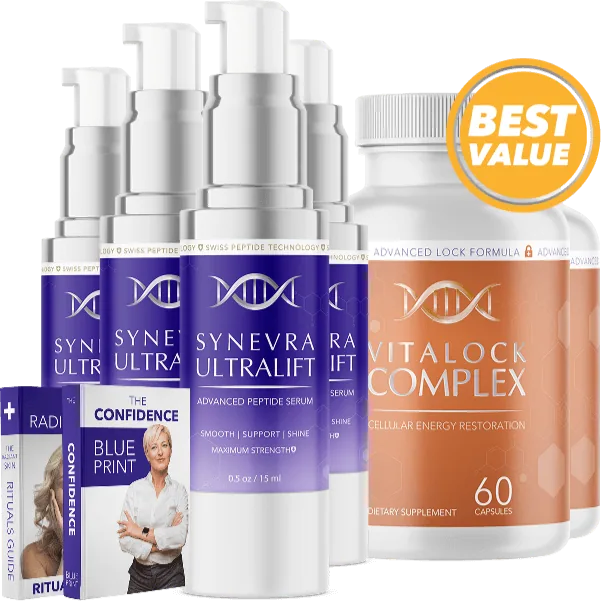
Synevra UltraLift Review: Does This Anti-Aging System Really Work?
A two-part anti-aging skincare system sold only on the official website, with a topical serum and a nutrient supplement.
Read the review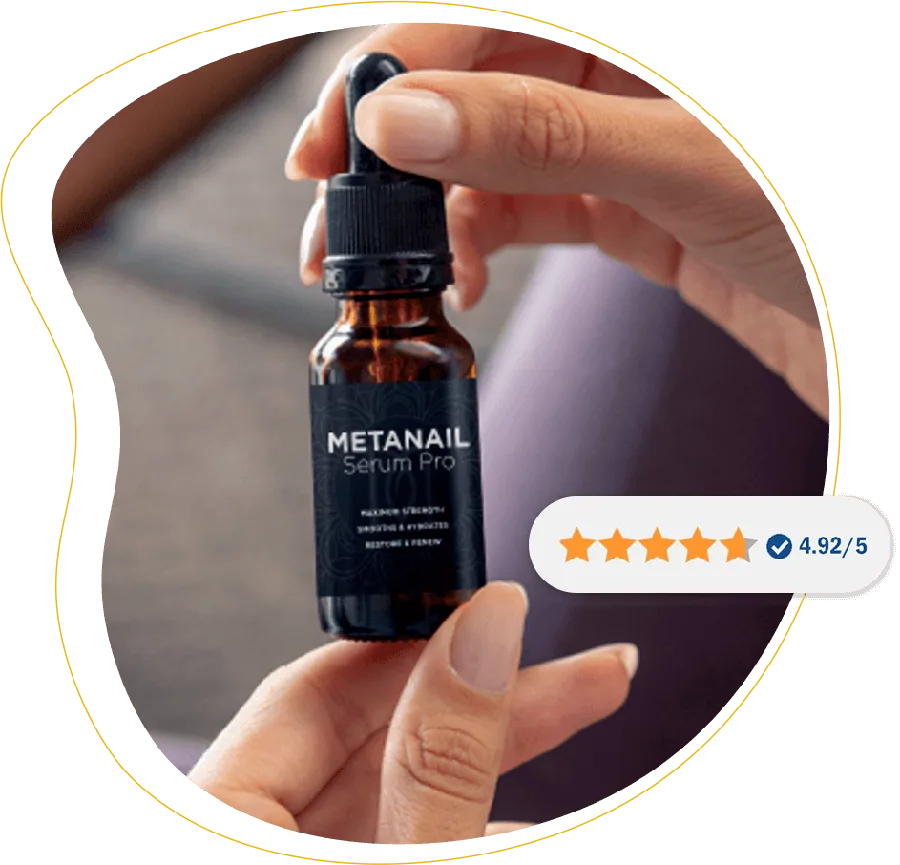
Metanail Complex Review: Does This Nail and Foot Serum Really Work?
A topical serum marketed for nail and foot health, sold on the official website in bundles with a detox product and bonus guides.
Read the reviewFrequently Asked Questions About Horsetail
Does horsetail really work?
Research is limited. Small studies, mostly of combination products, suggest possible benefits for nails and hair. MedlinePlus says there is insufficient evidence to rate horsetail for any use.
Is horsetail safe?
Short-term use may be tolerated by many people, but there are real concerns. These include thiamine depletion, low potassium, rare liver and pancreas case reports, and contamination with toxic species. It should be avoided in pregnancy and breastfeeding.
Is horsetail the same as silica?
No. Horsetail is a plant that contains silicon compounds along with other chemicals. Silica content varies by product, and no one has shown that horsetail raises silicon in the body better than other sources.
Can horsetail replace biotin for hair and nails?
There is no evidence that it can. Horsetail and biotin have been studied differently, and the human evidence for each is limited. Talk to a healthcare professional about hair or nail changes, since they can have medical causes.
Why do some horsetail products say thiaminase-free?
Crude horsetail may contain thiaminase, which breaks down vitamin B1. Some makers remove it during processing. MedlinePlus notes that reliable safety data for these products are lacking.
Sources
- Horsetail — LiverTox, NCBI Bookshelf
- Horsetail's therapeutic uses — EBSCO Research Starters
- Horsetail — Healthline
- Horsetail — Drugs.com
Last reviewed: