Hawthorn Berry: Benefits, Research & Safety
Hawthorn berry is the fruit of Crataegus shrubs and trees. Extracts of the berry, leaf and flower have long been used in European herbal practice. People take it mainly to support heart and circulation health. The research is mixed, and it is not a substitute for medical care.
Hawthorn Berry Ingredient Guide
Also known as: Hawthorn, Crataegus, Crataegus monogyna, Crataegus laevigata, Crataegus oxyacantha, Haw
- What it is
- Hawthorn is a thorny shrub or small tree in the rose family. Its berries, leaves and flowers are used in supplements.
- What it does
- Its flavonoids and oligomeric procyanidins are thought to have antioxidant effects and to relax blood vessels. They may also influence how the heart muscle contracts. These ideas come mostly from lab and animal work, plus some small human trials.
- How it is used
- It is taken as capsules, tablets, liquid extracts, tinctures or teas. People use it for general cardiovascular support.
- Natural sources and forms
- Products may use berries alone or a mix of leaf, flower and berry. Clinical trials have often used standardized leaf-and-flower extracts, with standardization to flavonoids or procyanidins. Berry-only products are not necessarily equivalent to those extracts.
- Why it appears in formulas
- Makers add it to heart and circulation blends because of its long traditional use and the research on standardized extracts. It is often paired with other botanicals or nutrients marketed for blood flow.
- What to know before use
- Hawthorn can interact with heart and blood pressure medicines, including digoxin and nitrates. Talk to your doctor before using it if you have any heart condition or take prescription drugs.
What the Research Says
Overall: Limited evidence
Most human research on hawthorn looks at standardized extracts in people with chronic heart failure, usually as an add-on to standard treatment.
A 2008 Cochrane review included 14 double-blind placebo-controlled trials. Ten trials with 855 patients had data that could be pooled. The authors found modest improvements in exercise capacity and in symptoms such as shortness of breath and fatigue. They graded the evidence as low quality, because of study quality and because the trials did not report important long-term outcomes such as cardiac events.
NCCIH describes the evidence for heart failure as conflicting. It says there is little or no good-quality evidence for most other conditions. It also notes one study in which a specific preparation may have been linked to earlier progression of heart failure.
There is far less reliable human evidence for blood pressure, cholesterol, anxiety or digestion. Many claims for these come from traditional use or from animal and lab studies. Results from one extract may not carry over to another product. Hawthorn has not been shown to treat or cure any condition.
| Studied for | What the research says | Evidence |
|---|---|---|
| Chronic heart failure (add-on use) | A Cochrane review of trials with standardized extract found modest gains in exercise capacity and symptom scores. The evidence was rated low quality, and long-term outcomes were not reported. | Limited evidence |
| Heart workload | In the Cochrane review, the pressure–heart rate product, a measure of the heart's oxygen demand, was lower with hawthorn than with placebo in some trials. The clinical meaning is unclear. | Limited evidence |
| Long-term heart outcomes | Little reliable data exist on deaths or cardiac events. NCCIH describes the evidence as conflicting and notes one report of possible earlier heart failure progression with a specific preparation. | Early evidence |
| Other uses (blood pressure, cholesterol, anxiety) | Little or no good-quality human evidence supports these uses. Most support comes from traditional use and from lab and animal studies. | Early evidence |
Did you know? A heart herb with a long history
Hawthorn has been used in traditional European and Chinese practice for centuries, and today standardized extracts are the main form studied in clinical trials. The research focus has narrowed to heart failure add-on use, and even there the evidence is rated low quality.
Amounts Used in Studies
These are amounts researchers used, not dosing advice. Ask your doctor or pharmacist what is right for you.
| Form | Amount | Study context |
|---|---|---|
| Standardized leaf-and-flower extract, often by flavonoid or procyanidin content | Commonly several hundred mg/day, split into doses (varies by trial and product) | Trials lasting weeks to months, mostly in adults with mild to moderate chronic heart failure alongside usual care |
Safety, Side Effects and Interactions
In the trials reviewed by Cochrane, side effects were infrequent, mild and temporary. They included nausea, dizziness, and digestive and heart-related complaints such as palpitations. Other reports include headache, sweating, fatigue and rash. Hawthorn is generally considered possibly safe for short-term use in studies, but long-term safety data are limited.
Because it may affect heart rhythm, blood pressure and blood vessel tone, it should not replace prescribed heart treatment. Conventional therapy for heart failure remains the standard until long-term studies establish hawthorn's safety and effectiveness. Dizziness or low blood pressure are possible if you also take blood pressure medicines. Some references say hawthorn might slow blood clotting. For that reason, some sources advise stopping it before scheduled surgery. Safety in pregnancy and breastfeeding has not been established. Seek medical help for chest pain, fainting, a racing or irregular heartbeat, or new swelling or breathlessness.
Possible interactions
- Digoxin: some sources advise avoiding hawthorn with it because of possible additive effects, though a very small study in people without heart conditions found no interaction.
- Blood pressure medicines (ACE inhibitors, beta-blockers, calcium channel blockers, diuretics): may add to the blood-pressure-lowering effect.
- Nitrates and other heart or vasodilator drugs: possible additive effects on blood vessels and blood pressure.
- Antiarrhythmic drugs: theoretical interactions are listed in clinical reviews.
- Cholesterol-lowering drugs: theoretical interactions are listed in clinical reviews.
- Blood thinners and antiplatelet drugs: hawthorn might slow clotting, so use caution.
- Erectile dysfunction drugs (PDE-5 inhibitors): a theoretical additive blood pressure effect.
Avoid it or ask a doctor first if
- Taking digoxin
- Taking heart rhythm or blood pressure medicines without medical supervision
- Diagnosed heart failure or other heart disease, unless your doctor monitors you
- Low blood pressure
- Pregnant or breastfeeding
- Bleeding disorders or taking blood thinners
- Scheduled surgery in the next two weeks
- Children
Supplements We've Reviewed That Contain Hawthorn Berry
Each review checks the full formula, price, refund policy and side effects.
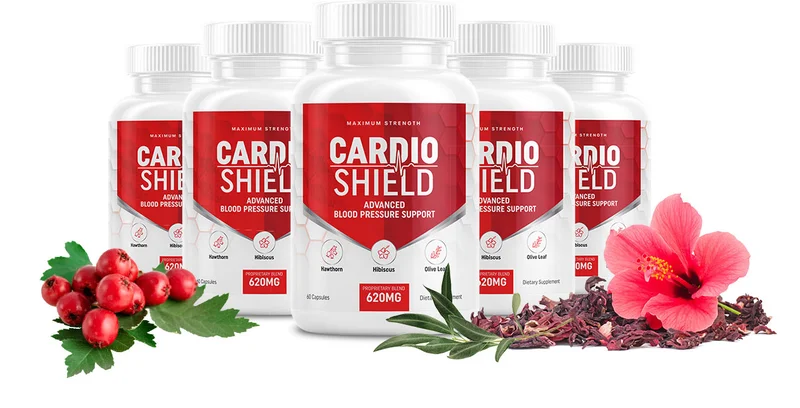
Cardio Shield Review: Does It Really Support Healthy Blood Pressure?
A blood-pressure dietary supplement sold in 1-, 3- and 6-bottle packages through the official website, with a 180-day refund offer that has strict return conditions.
Read the review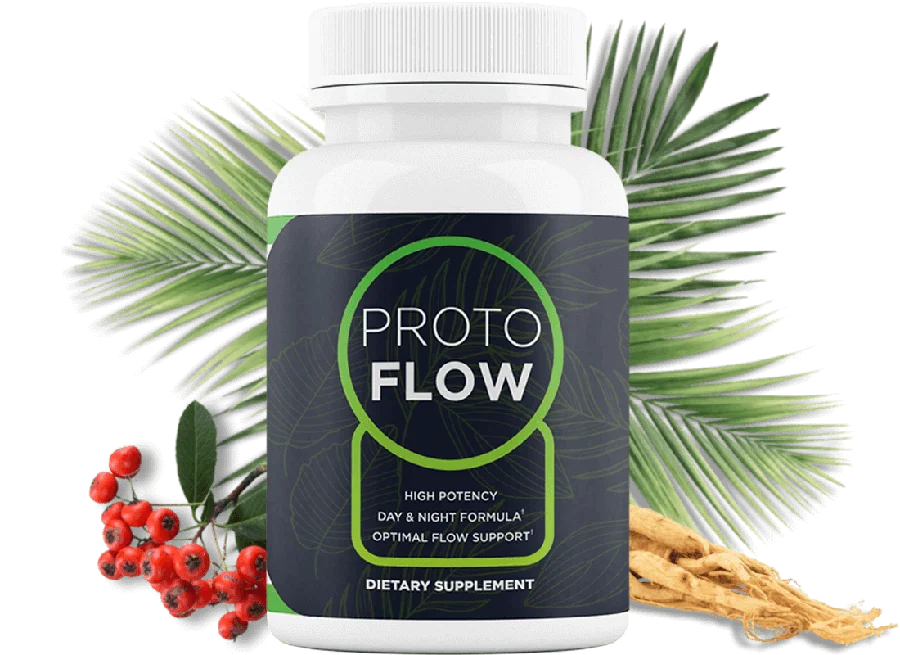
Protoflow Review: Is This Prostate Supplement Worth It?
Herbal men's prostate-support supplement sold only through the official website with a 60-day money-back guarantee; no dosages or independent evidence of effectiveness found.
Read the reviewFrequently Asked Questions About Hawthorn Berry
Does Hawthorn Berry really work?
Research suggests standardized hawthorn extracts may modestly improve exercise capacity and symptoms when added to usual care in chronic heart failure. However, the Cochrane review rated that evidence as low quality, and results for other uses are weak or early. Results from one extract may not apply to other products.
Is Hawthorn Berry safe?
Side effects in trials were mostly mild, such as nausea, dizziness and palpitations. It can interact with heart and blood pressure medicines, so people with heart conditions or on such drugs should check with a doctor first. Long-term safety data are limited.
Can I take hawthorn with heart medicines?
Only with your doctor's approval. Some sources advise avoiding it with digoxin. It may also add to the effects of blood pressure drugs and nitrates. Never stop or swap prescribed heart medicine for hawthorn.
What is the difference between hawthorn berry and hawthorn leaf and flower extract?
Many clinical trials used standardized extracts of leaf and flower, which are richer in flavonoids. Berry-only products may differ in makeup and strength. Label standardization is the best clue, and evidence from one form should not be assumed for another.
How long does it take to notice any effect?
Trials that found changes generally ran for weeks to months, so any effect would not be immediate. Individual responses vary, and a lack of noticeable effect does not mean the heart is unaffected. Work with a clinician to monitor any heart condition.
Sources
- Hawthorn — NCCIH (National Center for Complementary and Integrative Health)
- Hawthorn extract for treating chronic heart failure — PubMed (Cochrane review)
- Hawthorn extract for treating chronic heart failure: meta-analysis of randomized trials — PubMed
- Hawthorn: pharmacology and therapeutic uses — PubMed
- Hawthorn — Memorial Sloan Kettering Cancer Center
- Hawthorn review — American Family Physician (AAFP)
Last reviewed: