Gotu Kola: Benefits, Research & Safety
Gotu kola (Centella asiatica) is a creeping herb used for centuries in Ayurvedic and traditional Asian medicine. Today it is sold in capsules, extracts and skin products, and people take it hoping to support mind, mood and circulation. Human research is limited and mixed, so most claims are stronger than the evidence.
Gotu Kola Ingredient Guide
Also known as: Centella asiatica, Centella, Indian pennywort, Asiatic pennywort, Brahmi (sometimes confused with Bacopa)
- What it is
- Gotu kola is a leafy herb native to wetlands in Asia and parts of Africa. Its leaves are eaten as a vegetable and used in traditional remedies.
- What it does
- Its triterpenoid compounds (asiaticoside, madecassoside, asiatic acid and madecassic acid) are thought to have antioxidant and anti-inflammatory effects and to affect collagen and blood vessel tissue. Most of this mechanistic work comes from cell and animal studies.
- How it is used
- It is taken as capsules, tablets, teas, tinctures and liquid extracts, and applied to the skin in creams. Supplement makers often include it in brain and mood formulas.
- Natural sources and forms
- Products use the dried leaf or aerial parts, or extracts. Some extracts are standardized to a triterpene content, and a purified 'total triterpenic fraction' has been used in vein studies. Content varies widely between products.
- Why it appears in formulas
- Makers add it to cognition and calm-focus blends because of its traditional reputation and small studies on mood and alertness. It is often paired with other traditional herbs.
- What to know before use
- Rare cases of liver injury have been reported, so avoid it if you have liver disease or take other liver-affecting medicines, and check with a clinician first. Stop use if you develop symptoms such as yellow skin or eyes, dark urine or severe fatigue.
What the Research Says
Overall: Limited evidence
Human research on gotu kola is small and uneven. A systematic review and meta-analysis of randomized trials on cognition and mood included five trials of the plant alone and six of combination products. It found no significant difference from placebo on cognitive domains, and the authors judged the evidence for cognitive benefit weak. There were hints of benefit for mood, alertness and calmness, but these came from few, small studies.
The best-studied area is chronic venous insufficiency (poorly working leg veins). A systematic review of eight randomized trials reported improvements in some circulation measures and ankle swelling, but the authors urged caution because many studies reported their methods poorly and had unclear risk of bias. Most of those trials used a standardized triterpene extract, not a general leaf powder.
Anxiety research is thinner still. Much of the enthusiasm about memory and anxiety comes from mouse studies, which cannot show that the same effects occur in people. Overall, gotu kola has some early signals worth studying, but no health benefit is firmly established, and results from one extract may not apply to another product.
| Studied for | What the research says | Evidence |
|---|---|---|
| Memory and thinking | A meta-analysis of randomized trials found no significant improvement over placebo on cognitive domains, and the authors called the evidence weak. Trials were small and differed in product and population. | Limited evidence |
| Mood, alertness and calmness | Some small trials, including one in healthy older adults, reported better self-rated mood or alertness. These results are preliminary, and the research on anxiety is not strong enough to draw conclusions. | Early evidence |
| Leg vein health (venous insufficiency) | A systematic review of eight randomized trials found improvements in some circulation measures and ankle swelling with standardized extracts. Study quality was often unclear, so confidence is modest. | Limited evidence |
| Animal and lab research on brain aging | Studies in aged mice found improved cognitive performance and less anxiety-like behavior, with effects varying by sex and dose. These findings are not proof of effects in people. | Early evidence |
Did you know? Not the same as Brahmi
Gotu kola is sometimes called 'brahmi' in Ayurvedic texts, a name also used for Bacopa monnieri, a different plant. Labels that say only 'brahmi' can be confusing, so check the Latin name to know which herb you are getting.
Amounts Used in Studies
These are amounts researchers used, not dosing advice. Ask your doctor or pharmacist what is right for you.
| Form | Amount | Study context |
|---|---|---|
| Total triterpenic fraction extract | Roughly 60 mg/day or more, per a supplement reference summarizing trials | Studies in chronic venous insufficiency; original trial doses should be checked |
| Dried leaf or extract (cognition and mood) | Varied by trial; up to about 1,000 mg/day has been reported in summaries | Short trials, often weeks to a couple of months, in small groups of healthy adults or older adults |
Safety, Side Effects and Interactions
Gotu kola is generally regarded as well tolerated in studies, and the cognitive and mood trials in one meta-analysis reported no adverse effects. Reported side effects in general use include stomach upset, nausea, headache, dizziness and drowsiness. Skin products can cause itching or rash in some people.
The main concern is the liver. LiverTox lists gotu kola as a probable rare cause of clinically apparent liver injury. Cases are usually mild to moderate and resolve after stopping, but the mechanism is unknown and it is unclear whether specific products, preparations or doses are responsible. LiverTox advises stopping the product if liver injury appears and not restarting it.
Safety in pregnancy and breastfeeding has not been well established, so it is best avoided. Long-term safety data are limited. Supplements are not tightly regulated, so product quality and content can vary.
Possible interactions
- Other medicines or supplements that can harm the liver (for example methotrexate, some statins and fibrates) may add to liver risk, based mostly on case reports and theory.
- It may add to drowsiness with sedatives, sleep medicines and alcohol.
- Theoretical concern with antiepileptic medicines; interaction data are poorly documented.
- Tell your doctor and surgical team before surgery, as it may add to sedation from anesthesia medicines.
Avoid it or ask a doctor first if
- Liver disease or a history of liver problems
- Pregnant or breastfeeding
- Taking liver-affecting medicines
- Taking sedatives or antiseizure medicines, unless a clinician approves
- Scheduled for surgery soon
Supplements We've Reviewed That Contain Gotu Kola
Each review checks the full formula, price, refund policy and side effects.
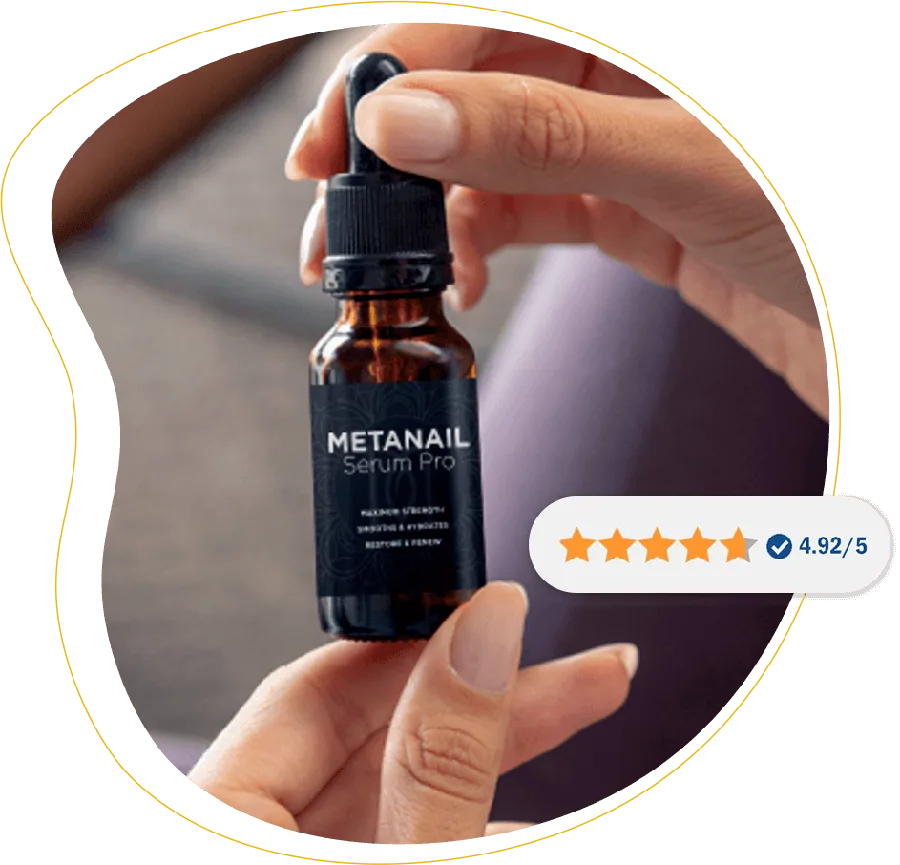
Metanail Complex Review: Does This Nail and Foot Serum Really Work?
A topical serum marketed for nail and foot health, sold on the official website in bundles with a detox product and bonus guides.
Read the review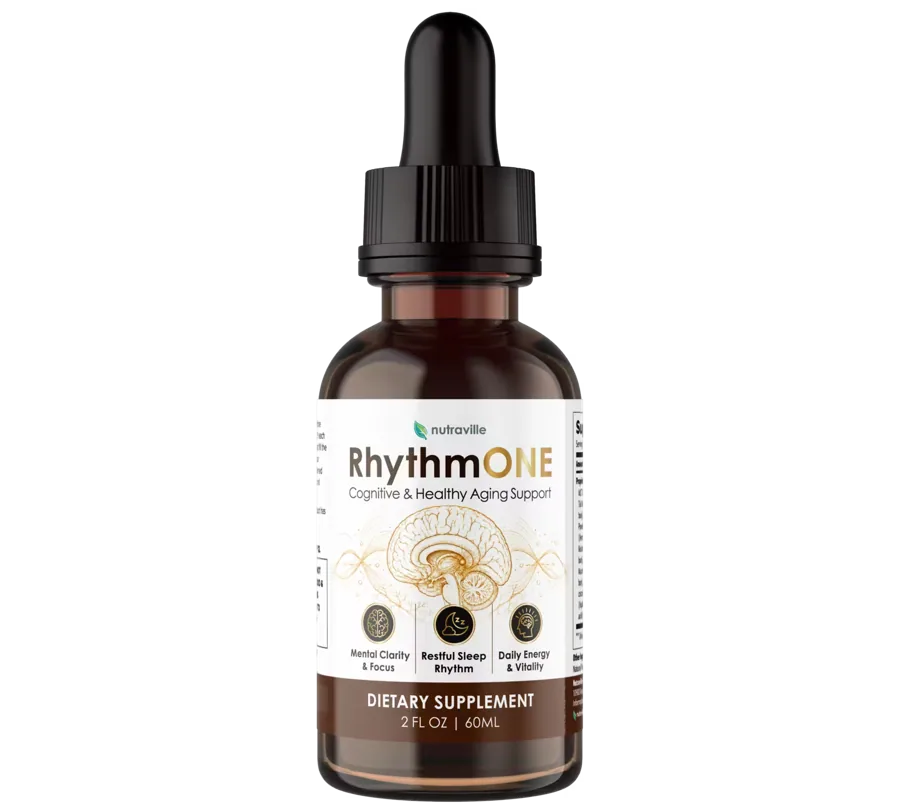
RhythmONE Review: Does It Really Support Healthy Memory?
Plant-based memory and brain-health supplement sold only through the official website, with a 365-day refund claim and a 6-bottle best-value option.
Read the review
NeuroVera Review: Does It Really Support Healthy Memory?
A plant-based capsule supplement marketed to support memory function and brain health, sold through the official website with a 365-day money-back guarantee.
Read the reviewFrequently Asked Questions About Gotu Kola
Does Gotu Kola really work?
The evidence is limited. A meta-analysis of randomized trials found no clear cognitive benefit, with some early hints of better mood and alertness. Studies on leg vein health are more encouraging, but many were of unclear quality.
Is Gotu Kola safe?
It is generally well tolerated in studies, but rare cases of liver injury have been reported. People with liver disease, those who are pregnant or breastfeeding, and people taking liver-affecting medicines should avoid it or talk to a clinician first.
What is gotu kola made from?
It comes from the leaves and stems of Centella asiatica, a creeping plant. Supplements use powdered plant material or extracts, some standardized for triterpene compounds.
Can gotu kola make you sleepy?
Drowsiness has been reported by some users, and it may add to the effect of sedatives or alcohol. Take care before driving until you know how it affects you.
Is the gotu kola in a blend as strong as in studies?
Often not known. Many blends list gotu kola without the amount or extract type, so you cannot tell whether it matches what researchers used. Check the label for the extract type and triterpene percentage.
Sources
- Centella asiatica — LiverTox, NCBI Bookshelf
- Effects of Centella asiatica (L.) Urb. on cognitive function and mood related outcomes: A Systematic Review and Meta-analysis — Scientific Reports / PMC
- A Systematic Review of the Efficacy of Centella asiatica for Improvement of the Signs and Symptoms of Chronic Venous Insufficiency — PMC
- Amelioration of age-related cognitive decline and anxiety in mice by Centella asiatica extract varies by sex, dose and mode of administration — PMC
- Gotu kola — RxList
- Centella asiatica — Alzheimer's Drug Discovery Foundation Cognitive Vitality
Last reviewed: