Lion's Mane Mushroom: Benefits, Research & Safety
Lion's mane (Hericium erinaceus) is a shaggy, white edible mushroom used in East Asian cooking and traditional practice. People take it as a supplement hoping to support memory, focus and mood. Human research exists but is still small and early.
Lion's Mane Mushroom Ingredient Guide
Also known as: Lion's mane, Hericium erinaceus, Hericium, Yamabushitake, Monkey head mushroom, Bearded tooth mushroom
- What it is
- Lion's mane is an edible and medicinal mushroom (Hericium erinaceus) with long, icicle-like spines. It is eaten fresh or cooked and sold as powders, capsules and extracts.
- What it does
- Lab and animal studies suggest compounds in the mushroom (such as hericenones and erinacines) may influence nerve growth factor activity. It is not established that this happens in people at supplement amounts.
- How it is used
- It is usually taken as capsules, tablets or powder stirred into drinks, often for general brain and mood support. Some people eat the fresh mushroom as food.
- Natural sources and forms
- Products use the fruiting body (the visible mushroom), the mycelium (root-like growth, often grown on grain), or extracts of either. Hericenones are mainly linked to the fruiting body and erinacines to the mycelium. Standardization varies widely, so labels are hard to compare.
- Why it appears in formulas
- Makers add it to brain-health and focus blends because of its reputation for cognitive support and the interest in nerve growth factor research. It also fits the popular functional mushroom trend.
- What to know before use
- Avoid it if you have a mushroom allergy, and talk to a clinician first if you take blood thinners or diabetes medicine, are pregnant or breastfeeding, or have surgery planned.
What the Research Says
Overall: Early evidence
Human research on lion's mane is small. A 2025 systematic review in Frontiers in Nutrition identified only about five randomized controlled trials, along with a few pilot trials and many laboratory and animal studies. A 2025 narrative review focused on Alzheimer's disease found just three human trials against thirteen animal studies.
The most-cited trial (Mori and colleagues, 2009) enrolled about 30 Japanese adults aged 50 to 80 with mild cognitive impairment. Scores improved during supplementation, but secondary sources report they fell again after it was stopped. I could not check the original paper for this guide. Other small trials in healthy adults reported mixed results, with some measures, such as processing speed, improving and others not changing.
Most studies are short, use different products and amounts, and enroll few people. Several sources also describe a lack of trials in conditions such as ADHD or Parkinson's disease. The overall picture is promising but preliminary, and the research cannot show that lion's mane treats or prevents any condition.
| Studied for | What the research says | Evidence |
|---|---|---|
| Cognition in older adults | A small trial in adults with mild cognitive impairment reported better cognitive scores than placebo, which faded after stopping. Larger and longer trials are needed. | Early evidence |
| Cognition in healthy adults | Small trials in healthy adults have reported mixed results, with improvement in some measures such as processing speed and no change in others. | Early evidence |
| Mood and anxiety | Some small studies and pilot trials looked at mood and sleep-related measures with tentative results. Study quality and size limit conclusions. | Early evidence |
| Nerve growth and neuroprotection | Cell and animal studies suggest compounds in the mushroom may influence nerve growth pathways. These findings have not been confirmed in people. | Early evidence |
Did you know? Fruiting body versus mycelium
The two parts of the fungus contain different compounds. Hericenones are mainly found in the fruiting body, while erinacines are mainly found in the mycelium. Many studies use one or the other, which is one reason results and products are hard to compare.
Amounts Used in Studies
These are amounts researchers used, not dosing advice. Ask your doctor or pharmacist what is right for you.
| Form | Amount | Study context |
|---|---|---|
| Dried fruiting body powder (tablets) | About 3 g/day | Roughly 16-week trial in older adults with mild cognitive impairment (Mori and colleagues, 2009), as commonly reported; verify against the original paper |
| Various extracts and mycelium products | Amounts vary widely between trials | Small trials lasting weeks to a few months; products and standardization differ, so results are not directly comparable |
Safety, Side Effects and Interactions
Lion's mane is eaten as a food, and clinical studies have reported few and mostly mild side effects. The most commonly mentioned problems are digestive upset such as nausea or stomach discomfort. Skin rashes and breathing difficulty have been reported, mainly in people who are sensitive or allergic to mushrooms, and these reports come largely from user accounts rather than trials.
Long-term safety is not well studied, and the trials are too small to detect rare problems. Supplement quality also varies. Products may differ in how much fruiting body versus mycelium on grain they contain, and amounts of active compounds are not standardized.
One monograph suggests it may slow blood clotting and lower blood sugar, but I did not find human data that measure these effects well. Stop if you notice itching, swelling, hives, trouble breathing or persistent stomach upset, and seek urgent care for severe reactions. Check with a doctor or pharmacist before use if you take medicines or have a health condition.
Possible interactions
- May slow blood clotting, so it could add to the bruising and bleeding risk of anticoagulants, antiplatelet drugs and herbs such as garlic, ginger or ginkgo.
- May lower blood sugar, so it could add to the effect of diabetes medicines.
- May affect the immune system and could in theory weaken immunosuppressant drugs used after transplants.
- Blood pressure effects have been suggested in some sources, so people on blood pressure medicine should be cautious.
- Stopping it at least 2 weeks before scheduled surgery is commonly advised because of possible bleeding effects.
Avoid it or ask a doctor first if
- Allergy or sensitivity to mushrooms
- Taking blood thinners or antiplatelet drugs
- Taking diabetes medicine or having blood sugar problems
- Taking immunosuppressants or having an organ transplant
- Pregnant or breastfeeding (not enough safety data)
- Scheduled surgery in the next two weeks
- Bleeding disorders
Supplements We've Reviewed That Contain Lion's Mane Mushroom
Each review checks the full formula, price, refund policy and side effects.
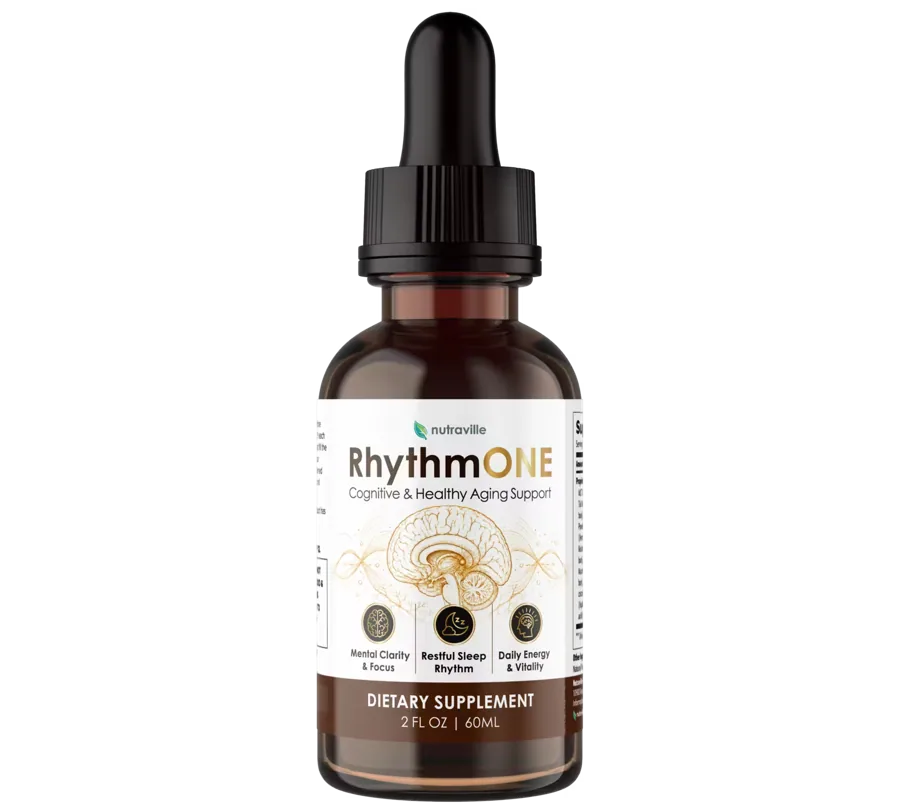
RhythmONE Review: Does It Really Support Healthy Memory?
Plant-based memory and brain-health supplement sold only through the official website, with a 365-day refund claim and a 6-bottle best-value option.
Read the review
NeuroVera Review: Does It Really Support Healthy Memory?
A plant-based capsule supplement marketed to support memory function and brain health, sold through the official website with a 365-day money-back guarantee.
Read the review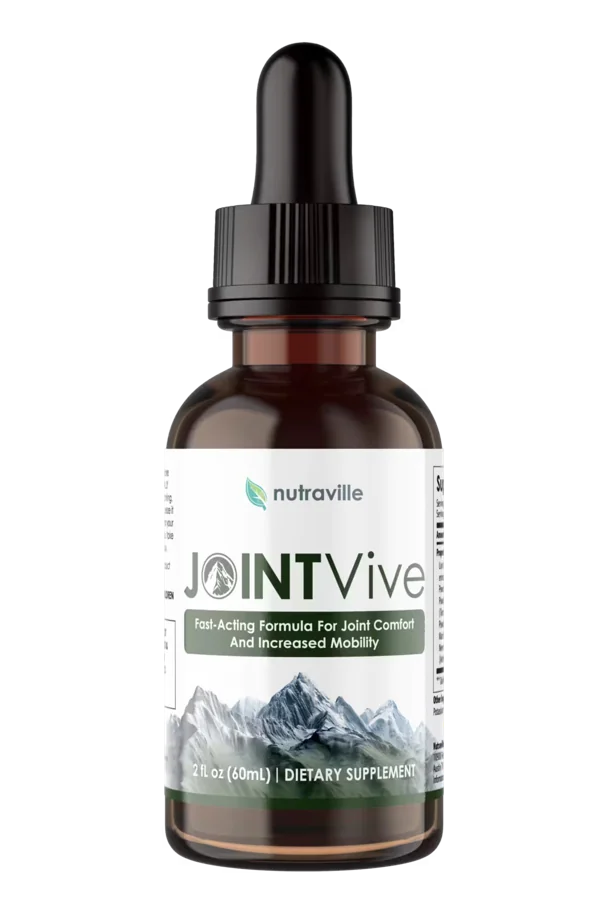
JointVive Review: Does It Really Support Joint Comfort?
A nine-ingredient plant and botanical supplement sold on the official website, marketed for joint comfort and mobility.
Read the review
NeuroPrime Review: Does It Really Support Healthy Memory?
A nine-ingredient plant-based memory-support supplement sold through the official website with a 365-day money-back guarantee.
Read the review
Cholibrium Review: Is This 10-Mushroom Heart Supplement Legit?
A 10-mushroom capsule supplement marketed for heart health and cholesterol levels already in a healthy range, sold through the official website with a 365-day money-back guarantee.
Read the review
Neura Review: Does It Really Support Memory and Focus?
Neura review: we break down the four ingredients, price, 90-day refund policy and side effects to help you decide if this brain supplement is worth it.
Read the reviewFrequently Asked Questions About Lion's Mane Mushroom
Does Lion's Mane Mushroom really work?
Research suggests it may support some measures of cognition, but the evidence is early. Human trials are few, small and short, and results are mixed. It should not be seen as a treatment for memory loss or any condition.
Is Lion's Mane Mushroom safe?
As a food it is generally well tolerated, and trials have reported mostly mild side effects such as stomach upset. Allergic reactions are possible, and it may interact with blood thinners and diabetes drugs. Long-term supplement safety is not well studied.
What is the difference between fruiting body and mycelium products?
The fruiting body is the visible mushroom, while mycelium is the root-like network, often sold grown on grain. They contain different compounds and amounts, and the grain can dilute the active content. Check the label for which part is used.
How long does it take to notice any effect?
Trials have typically run for several weeks to a few months, so any effect would not be expected to be immediate. Many people notice nothing, and individual results vary. Studies are too small to say how long a trial period should be.
Can I eat the mushroom instead of taking a supplement?
Lion's mane is a food and is cooked like other mushrooms. Eating it provides a different and less concentrated intake than extract capsules, and the research was mostly done on dried or extracted products. Mushroom allergy still applies.
Sources
- Benefits, side effects, and uses of Hericium erinaceus as a supplement: a systematic review — Frontiers in Nutrition
- Hericium erinaceus: a possible future therapeutic treatment for the prevention and delayed progression of Alzheimer's disease, a narrative review — Nutrition Research Reviews
- Lion's mane mushroom monograph — Vital.ly (Natural Medicines)
Last reviewed: