Fucoxanthin: Benefits, Research & Safety
Fucoxanthin is an orange-brown pigment found in brown seaweeds such as wakame. People take it mainly because early lab and small human studies looked at its possible role in body fat and metabolism. Human evidence is still thin, so it is best seen as an ingredient under study rather than a proven aid.
Fucoxanthin Ingredient Guide
Also known as: fucoxanthin, brown seaweed carotenoid, wakame extract (Undaria pinnatifida), brown algae extract
- What it is
- Fucoxanthin is a carotenoid, a type of natural pigment, found in brown seaweeds (such as Undaria, or wakame) and in some microalgae. It gives these algae their brown-golden color.
- What it does
- In animal and cell studies, it has been linked to changes in fat metabolism and to antioxidant activity. Whether these effects happen at supplement doses in people is not well established.
- How it is used
- It is sold as capsules, oils and extracts, often in weight-management or metabolic-health products. It is usually taken daily for several weeks in studies.
- Natural sources and forms
- It is extracted from brown seaweeds or cultivated microalgae and is often sold in an oil base, sometimes combined with other oils. Content per serving varies by product, and standardization is not uniform.
- Why it appears in formulas
- Makers add it because of its seaweed origin and early research on body weight and metabolism, which fits weight and metabolic-health marketing.
- What to know before use
- Evidence in people is limited and long-term safety data are sparse. Seaweed-derived products can also carry iodine and heavy metals, so talk to a clinician first if you are pregnant, breastfeeding, have a thyroid condition or take medicines.
What the Research Says
Overall: Early evidence
Most of the interest in fucoxanthin comes from cell and animal studies, where it affected fat metabolism. Human research is much smaller. Reviews note that only a handful of clinical studies exist, and the best-known weight-related study was a small pilot in obese premenopausal women.
A separate 8-week trial in about 60 Japanese adults tested fucoxanthin-enriched oil at 0, 1 or 2 mg a day. The authors noted that results in different populations are still unclear.
Many of these studies used fucoxanthin combined with other ingredients, which makes it hard to say what fucoxanthin itself did. Trials have been short (weeks to a few months) and small, and results are not consistent enough to draw firm conclusions.
Some supplement-industry sites cite larger effects, such as specific weight-loss figures or changes in inflammation markers. I could not confirm these in peer-reviewed sources, so they should be treated cautiously. Overall, research suggests fucoxanthin is promising enough to study further, but it is not proven to help with weight or any health condition.
| Studied for | What the research says | Evidence |
|---|---|---|
| Body weight and fat | A small pilot in obese premenopausal women and a few short trials looked at weight and fat measures, with modest or inconsistent results. Many tests used fucoxanthin combined with other oils. | Early evidence |
| Blood sugar and lipids | Animal studies and a few small human trials looked at glucose and cholesterol markers. Findings in people are limited and not consistent. | Early evidence |
| Liver fat and inflammation markers | Most evidence comes from cell and animal work. Human data are very limited, and claims from commercial sources could not be verified. | Early evidence |
| Antioxidant activity | Fucoxanthin shows antioxidant effects in test-tube studies. This does not show a health benefit in people. | Early evidence |
Did you know? A pigment hiding in seaweed
Fucoxanthin is one of the most abundant carotenoids in nature, found in brown algae and diatoms. It is what gives brown seaweed its color, and it is chemically related to the carotenoids in carrots and tomatoes.
Amounts Used in Studies
These are amounts researchers used, not dosing advice. Ask your doctor or pharmacist what is right for you.
| Form | Amount | Study context |
|---|---|---|
| Fucoxanthin-enriched oil | 1 to 2 mg/day | 8-week trial in about 60 Japanese adults |
| Fucoxanthin combined with other oils (pilot study) | a few mg/day of fucoxanthin | Small, roughly 16-week pilot in obese premenopausal women; exact amounts should be checked in the original paper |
Safety, Side Effects and Interactions
Fucoxanthin has no formal long-term safety record in people. Short human trials at low milligram amounts have not reported major problems, but they were small. Reviews of the seaweed ingredient describe it as promising and generally well tolerated in early work, which is not the same as proven safe.
The bigger practical concern with seaweed-derived products is what else they may contain. Brown seaweeds can carry variable, sometimes high, levels of iodine and heavy metals, which can affect the thyroid. A purified fucoxanthin extract may contain less, but labels rarely say. Food-safety agencies in Australia and New Zealand advise pregnant and breastfeeding women and children to limit brown seaweed to about one serving a week.
Possible side effects with seaweed products include digestive upset. Safety in pregnancy, breastfeeding and children is not established. Quality varies between products, so independent testing is helpful.
Possible interactions
- Seaweed-derived products may contain iodine, which can interfere with thyroid medicines or thyroid conditions.
- Some seaweed compounds (such as fucoidans) may slightly increase bleeding risk, so be cautious with blood thinners or antiplatelet drugs.
- It was studied for blood sugar and lipid effects, so people on diabetes or cholesterol medicines should ask a clinician before use.
- Data on drug interactions with purified fucoxanthin are very limited.
Avoid it or ask a doctor first if
- Pregnant or breastfeeding
- Thyroid disease or taking thyroid medicine
- Taking blood thinners or having a bleeding disorder
- Taking diabetes medicines
- Scheduled for surgery soon
- Allergic to seaweed or iodine-rich foods
- Under 18
Supplements We've Reviewed That Contain Fucoxanthin
Each review checks the full formula, price, refund policy and side effects.

Phytomem One Review: Is It Legit or Just Hype?
A 10-ingredient memory and brain-support supplement sold only through the official website, built around claims about microplastics and 'Type 3 Diabetes'.
Read the review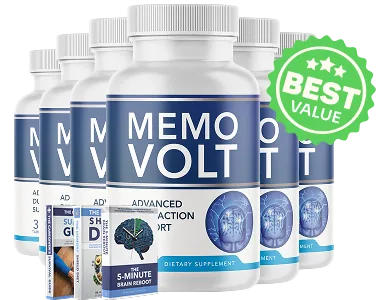
MemoVolt Review: Does It Really Support Healthy Memory?
A multi-ingredient brain and memory supplement sold on the official website, with bundles from 2 to 6 bottles and a 60-day money-back guarantee.
Read the review
Ikaria Juice Review: Does It Really Help With Belly Fat and Metabolism?
A powdered daily drink mix sold on the official website that claims to boost metabolism and fat loss through a blend of plant extracts and antioxidants.
Read the reviewFrequently Asked Questions About Fucoxanthin
Does fucoxanthin really work?
Research is early. Animal studies are encouraging, but human trials are few, small and short, and some used combination products. It is not proven to cause weight loss or treat any condition.
Is fucoxanthin safe?
Short human studies at low amounts did not report major problems, but long-term safety data are lacking. Seaweed products may contain iodine and heavy metals, and safety in pregnancy and breastfeeding is not established. Ask a clinician if you have a health condition or take medicines.
What foods contain fucoxanthin?
Brown seaweeds such as wakame, kombu and hijiki contain it. The amount in a normal serving is small compared with supplement extracts, and these seaweeds can also be high in iodine.
How long do studies run before any effect is seen?
Human studies have generally lasted from about 8 to 16 weeks. Because trials are small and results mixed, no firm timeline for any effect can be given.
Can I take fucoxanthin with other weight-loss ingredients?
Many studies used it with other ingredients, so its own effect is hard to separate. Combining products can add stimulants or other active compounds, so review the label and check with a pharmacist or doctor.
Sources
- Fucoxanthin research review — PubMed Central
- Fucoxanthin — Examine
- Seaweed consumption safety review — PubMed Central
- Assessment report on Fucus vesiculosus thallus — European Medicines Agency
- Brown seaweed and iodine guidance — Food Safety Information Council / FSANZ summary
Last reviewed: