Corosolic Acid: Benefits, Research & Safety
Corosolic acid is a plant compound found mainly in banaba leaves. People take it hoping to support healthy blood sugar levels. Human research is small and early, so the claims on labels often go further than the evidence.
Corosolic Acid Ingredient Guide
Also known as: Corosolic acid, Banaba extract (source), Lagerstroemia speciosa extract, 2α-hydroxyursolic acid
- What it is
- Corosolic acid is a triterpenoid, a type of plant compound, found in banaba (Lagerstroemia speciosa) leaves and in small amounts in some other plants. Banaba is a tree native to Southeast Asia.
- What it does
- Laboratory and animal studies suggest it may help cells take up glucose and may affect insulin-related signaling and sugar-digesting enzymes. How well this applies to people is not clear.
- How it is used
- It is sold as capsules or tablets, usually as banaba leaf extract, and taken by people interested in blood sugar support. Some products combine it with other ingredients.
- Natural sources and forms
- Most supplements use banaba leaf extract standardized to a percentage of corosolic acid, commonly around 1%, though some products are higher. Banaba also contains ellagitannins, which may contribute to its effects, so extracts differ from pure corosolic acid.
- Why it appears in formulas
- Makers add it to blood sugar and weight-management formulas because of its traditional use and early research on glucose. It gives a plant-based ingredient to pair with minerals and other herbs.
- What to know before use
- Because it may lower blood sugar, talk with a doctor or pharmacist first if you take diabetes medicines or have blood sugar concerns. Do not use it in place of medical care.
What the Research Says
Overall: Limited evidence
Most research on corosolic acid comes from test-tube and animal studies. These suggest effects on glucose uptake and insulin signaling, but results in cells and animals often do not carry over to people.
Human research is small. One double-blind crossover study of 31 people found that a single 10 mg dose of corosolic acid taken before a glucose tolerance test was linked to lower blood glucose at some time points compared with placebo. Other human studies, mostly of banaba extract standardized to corosolic acid in people with type 2 diabetes, were small, short, and often lacked strong controls.
A published review of banaba and corosolic acid concluded that no serious adverse effects were reported in animal studies or controlled human trials. A more recent critical review noted that heavy reliance on cell and animal studies and too few human trials limit the evidence. Banaba extracts also contain other compounds, so effects cannot always be credited to corosolic acid alone.
Overall, research suggests it may have some effect on blood sugar, but larger, longer, well-designed trials are needed before firm conclusions can be drawn.
| Studied for | What the research says | Evidence |
|---|---|---|
| Blood sugar after a glucose load | A small crossover study of 31 people found lower blood glucose at some time points after a 10 mg dose compared with placebo. Larger replication is lacking. | Limited evidence |
| Long-term blood sugar control in type 2 diabetes | Small, short studies of banaba extract standardized to corosolic acid have reported lower blood sugar, but designs were weak and results are not firmly established. | Early evidence |
| Weight management | Claims are based mainly on animal and cell studies. Good human evidence is lacking. | Early evidence |
| Other effects (inflammation, cell studies) | Test-tube and animal research has explored many effects, but this does not show benefits in people. | Early evidence |
Did you know? A tree better known for its flowers
Banaba is a flowering tree, also called crepe myrtle or pride of India, grown across Southeast Asia and used ornamentally. Its leaves have a long traditional use as a tea in the Philippines, which led researchers to study corosolic acid.
Amounts Used in Studies
These are amounts researchers used, not dosing advice. Ask your doctor or pharmacist what is right for you.
| Form | Amount | Study context |
|---|---|---|
| Pure corosolic acid | About 10 mg, single dose | Taken before a glucose tolerance test in a small crossover study |
| Banaba extract standardized to about 1% corosolic acid | Amounts vary by study, often providing a few mg of corosolic acid per day | Short studies in people with type 2 diabetes; evidence limited |
Safety, Side Effects and Interactions
Banaba extract and corosolic acid appear to be well tolerated in the short term in the small studies done so far. A published review found no serious adverse effects in controlled human trials. Reported side effects with banaba include dizziness, headache, and stomach upset.
The main concern is low blood sugar, especially in people who take diabetes medicines. Banaba may also lower blood pressure, which could matter for people on blood pressure medicines. Long-term safety has not been established, and research on interactions is incomplete.
Supplement quality varies. Products may differ in how much corosolic acid they contain, and the amount listed on a label may not match what is in the product. Choose products tested by an independent lab where possible.
People who are pregnant or breastfeeding are generally advised to avoid banaba because there is not enough safety information. Anyone planning surgery should tell their care team, since blood sugar control may be affected.
Possible interactions
- Diabetes medicines, including insulin and sulfonylureas: may add to blood sugar lowering and raise the risk of low blood sugar.
- Other blood sugar-lowering herbs or supplements: effects may add up.
- Blood pressure medicines: banaba may lower blood pressure, so the effect could be stronger.
- Surgery and anesthesia: blood sugar effects may complicate control, so tell your surgeon and consider stopping ahead of time as advised.
Avoid it or ask a doctor first if
- Pregnant or breastfeeding
- Taking diabetes medicines without medical guidance
- Have low blood sugar or low blood pressure
- Planning surgery in the next two weeks
- Have kidney disease or other long-term conditions without asking a doctor
Supplements We've Reviewed That Contain Corosolic Acid
Each review checks the full formula, price, refund policy and side effects.

Phytomem One Review: Is It Legit or Just Hype?
A 10-ingredient memory and brain-support supplement sold only through the official website, built around claims about microplastics and 'Type 3 Diabetes'.
Read the review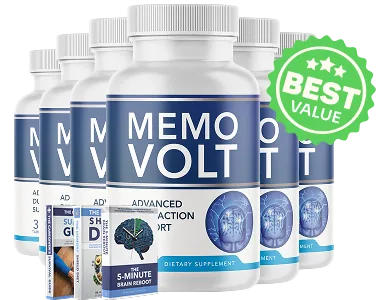
MemoVolt Review: Does It Really Support Healthy Memory?
A multi-ingredient brain and memory supplement sold on the official website, with bundles from 2 to 6 bottles and a 60-day money-back guarantee.
Read the reviewFrequently Asked Questions About Corosolic Acid
Does corosolic acid really work?
Research suggests it may modestly affect blood glucose in some small studies, but the evidence is limited. Most work is in cells and animals, and human trials are few and small. It is not a replacement for medical care.
Is corosolic acid safe?
It appears well tolerated in short-term studies, with reports of dizziness, headache, and stomach upset. Long-term safety is unknown, and it may lower blood sugar and blood pressure. Check with a doctor or pharmacist first, especially if you take medicines.
Is corosolic acid the same as banaba extract?
No. Corosolic acid is one compound found in banaba leaves. Banaba extract contains other compounds too, such as ellagitannins, and is usually standardized to a percentage of corosolic acid.
Can I take corosolic acid with diabetes medicine?
This should only be done with a healthcare provider's guidance. Because it may lower blood sugar, combining it with diabetes medicines could raise the risk of blood sugar dropping too low.
Will corosolic acid help with weight loss?
The weight-loss claims come mainly from animal and cell research. There is not enough good human evidence to say it helps, so be cautious about marketing claims.
Sources
- A review of the efficacy and safety of banaba (Lagerstroemia speciosa L.) and corosolic acid — Phytotherapy Research (PubMed)
- A Review of the Efficacy and Safety of Banaba and Corosolic Acid — PubMed Central
- Banaba — WebMD
- Banaba (Lagerstroemia speciosa L.) — Krames/Natural Standard
Last reviewed: