Cocoa: Benefits, Research & Safety
Cocoa, also called cacao, is made from the seeds of the cacao tree. It is rich in plant compounds called flavanols, and cocoa extracts are sold as supplements. People take it for heart, blood vessel and blood sugar support, and it appears in some blood sugar formulas.
Cocoa Ingredient Guide
Also known as: Cacao, Cocoa extract, Cocoa flavanols, Theobroma cacao
- What it is
- Cocoa is the processed seed of the Theobroma cacao tree. It contains flavanols (such as epicatechin), plus caffeine and theobromine.
- What it does
- Flavanols are thought to support nitric oxide production and blood vessel function, and may influence how the body handles insulin. Most of this comes from short-term human studies and lab work.
- How it is used
- It is taken as a powder, capsule, or standardized extract, or eaten as dark chocolate. Supplements are usually taken daily.
- Natural sources and forms
- Sources include raw cacao, natural cocoa powder, dark chocolate and flavanol-standardized extracts. Flavanol content varies widely, and heavy processing (such as alkalizing) can lower it.
- Why it appears in formulas
- Makers add it for its flavanol content and for the research on blood vessels and insulin sensitivity. In blood sugar formulas it is a supporting ingredient, and the amount per serving is often not disclosed.
- What to know before use
- Cocoa contains caffeine and theobromine, and some products may contain traces of heavy metals such as lead and cadmium. Talk to a doctor first if you take diabetes or blood pressure medication, since cocoa may add to their effects.
What the Research Says
Overall: Moderate evidence
The human research on cocoa flavanols is fairly large for a food-derived ingredient, but it is mixed and mostly short-term.
Meta-analyses of randomized trials found small average drops in blood pressure (about 2 to 3 mm Hg systolic) and improvements in insulin resistance measures. Many of these trials were small and lasted only weeks, and the authors call for larger, longer, independently funded studies.
The largest trial, COSMOS, enrolled about 21,400 older US adults who took a cocoa extract or placebo for several years. It did not significantly reduce total cardiovascular events (hazard ratio 0.90, not statistically significant). It did show a lower rate of cardiovascular death, a secondary outcome, which needs confirming. No safety concerns were reported.
Results depend on the flavanol dose and the product. Evidence on dark chocolate or cocoa foods does not automatically apply to capsules, and the evidence for blood sugar benefits in people with diabetes is weaker than for healthy or overweight people.
| Studied for | What the research says | Evidence |
|---|---|---|
| Blood pressure | Meta-analyses of short-term trials found small average reductions in blood pressure, with larger changes in people with high blood pressure. Long-term effects are not well established. | Moderate evidence |
| Insulin sensitivity | Reviews of short-term trials found improved insulin resistance markers with cocoa or chocolate. Small trials have been inconsistent, and large long-term trials are lacking. | Limited evidence |
| Cardiovascular events | In COSMOS, cocoa extract did not significantly cut total cardiovascular events but was linked to fewer cardiovascular deaths, a secondary result. | Limited evidence |
| Cholesterol and lipids | A meta-analysis of flavanol trials reported improvements in lipid profile, though the studies varied widely in design and dose. | Limited evidence |
Did you know? Processing matters
Cocoa's flavanols are bitter, so manufacturers often remove or break them down through fermentation, roasting and alkalizing (Dutch processing). Many ordinary cocoa and chocolate products therefore have far less flavanol than the amounts used in studies.
Amounts Used in Studies
These are amounts researchers used, not dosing advice. Ask your doctor or pharmacist what is right for you.
| Form | Amount | Study context |
|---|---|---|
| Cocoa flavanols (from cocoa products or extracts) | about 166 to 2,110 mg/day of flavanols | Randomized trials lasting 2 to 52 weeks, mostly in overweight or obese adults |
| Cocoa extract supplement | 500 mg/day of cocoa flavanols (including about 80 mg epicatechin) | COSMOS trial in older adults, taken for a median of about 3.6 years |
Safety, Side Effects and Interactions
Cocoa as a food is generally regarded as safe. In COSMOS, no safety concerns were reported with a flavanol extract over several years.
Possible side effects come mostly from caffeine and theobromine: nervousness, trouble sleeping, upset stomach, headache, a faster heartbeat, and more frequent urination. Cocoa may also trigger reflux or migraines in some people, and rarely allergic reactions.
Cocoa and dark chocolate can contain traces of lead and cadmium, so choose products from makers that test for heavy metals. Added sugar and calories in chocolate products matter too. Evidence for safety in pregnancy and breastfeeding at supplement amounts is limited, so caffeine limits apply.
Possible interactions
- Caffeine in cocoa may add to other stimulants and caffeine-containing products.
- Caffeine can slow the clearance of theophylline, which may raise its levels.
- Large amounts of caffeine with MAOI antidepressants may raise blood pressure sharply.
- Cocoa may add to the effects of blood pressure medicine or diabetes drugs, so monitor blood pressure and blood sugar.
- Caffeine may reduce the effect of some seizure medicines based on animal data, and it may interfere with some heart stress tests.
Avoid it or ask a doctor first if
- Sensitivity to caffeine or theobromine
- Taking MAOI antidepressants or theophylline
- On diabetes or blood pressure medication (ask a doctor first)
- Heart rhythm problems or uncontrolled high blood pressure
- Seizure disorders
- Pregnant or breastfeeding (ask a doctor first)
- Known cocoa or chocolate allergy
Supplements We've Reviewed That Contain Cocoa
Each review checks the full formula, price, refund policy and side effects.
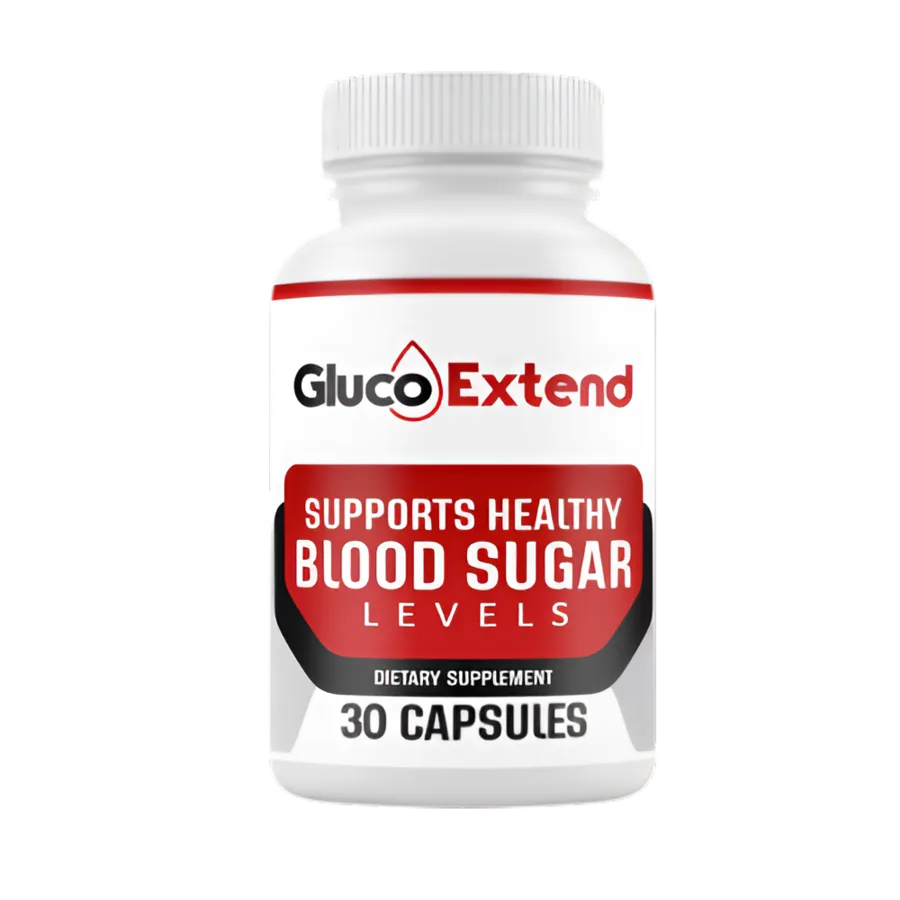
Gluco Extend Review: Does It Really Support Healthy Blood Sugar?
A blood sugar dietary supplement sold through the official website with a 90-day money-back guarantee; its 11+ ingredient claim is not fully itemized.
Read the reviewFrequently Asked Questions About Cocoa
Does Cocoa really work?
Research suggests cocoa flavanols may modestly lower blood pressure and improve insulin sensitivity measures in short-term trials. The largest long-term trial did not show a significant drop in total cardiovascular events. The evidence is moderate at best and not a substitute for medical care.
Is Cocoa safe?
Cocoa is generally safe in food amounts, and a large multi-year trial reported no safety concerns with an extract. It contains caffeine and theobromine and may carry traces of heavy metals. People on certain medications, or who are pregnant, should check with a doctor.
Is cocoa the same as dark chocolate?
Not quite. Dark chocolate contains cocoa, but also fat, sugar and often much less flavanol after processing. Study results with flavanol-standardized extracts may not apply to chocolate bars.
Can cocoa help with blood sugar?
Short-term studies found improvements in insulin resistance markers, mainly in healthy or overweight adults. Evidence in people with diabetes is limited, and it should not replace prescribed treatment.
What is the difference between cocoa and cacao?
They come from the same plant. Cacao usually refers to the raw or minimally processed bean, while cocoa usually means roasted, processed powder. Flavanol content depends on processing, not just the name.
Sources
- Cocoa, blood pressure, and cardiovascular health — PubMed
- Effect of cocoa flavanol supplementation for prevention of cardiovascular disease events: COSMOS — PubMed
- Cocoa flavanol and insulin sensitivity: meta-analysis — PubMed Central
- Cocoa and insulin resistance systematic review — PubMed
- Cocoa interaction entries — HelloPharmacist
Last reviewed: