Clinoptilolite Zeolite: Benefits, Research & Safety
Clinoptilolite is a natural volcanic mineral (a zeolite) that is ground into a fine powder and sold as a supplement, often marketed for "detox" and gut health. Human research is small, short and often funded by manufacturers, so many popular claims go well beyond the evidence.
Clinoptilolite Zeolite Ingredient Guide
Also known as: clinoptilolite, zeolite, natural zeolite, micronized zeolite, activated zeolite, PMA-zeolite (a specific processed form)
- What it is
- Clinoptilolite is a naturally occurring aluminosilicate mineral with a porous, cage-like crystal structure. It is the zeolite type most often used in supplements.
- What it does
- Its structure can trap some positively charged particles, such as ammonium and certain metal ions, in laboratory settings. Whether this meaningfully happens in the human body at supplement amounts is not well established.
- How it is used
- It is sold as a powder, capsules or liquid suspensions, usually taken by mouth. Marketing often links it to detox, gut barrier support or heavy metal removal.
- Natural sources and forms
- It is mined from volcanic deposits and then milled (micronized) and sometimes heated or chemically treated ("activated"). Purity, particle size and contaminant content vary widely between products, and results from one processed material may not apply to another.
- Why it appears in formulas
- Makers add it for its marketed role as a "binder" and for gut health or detox positioning. It is also used as a bulking powder in some products.
- What to know before use
- Quality varies, and one human trial series saw blood lead rise within the reference range, so check with a clinician first, especially if you take medicines, have kidney disease, are pregnant, or are nursing.
What the Research Says
Overall: Early evidence
The human research on clinoptilolite supplements is limited. Most of the mechanistic findings come from test-tube and animal work, where the mineral's ion-trapping ability is clear. That does not show the same effect in people.
The human studies I found are small. A 2015 randomized, placebo-controlled trial in 52 endurance-trained adults reported lower stool zonulin, a marker linked to gut barrier function, after 12 weeks. A set of three trials of one micronized product (PMA-zeolite) covered 15 healthy adults over 28 days, 30 people with Crohn's disease over 12 weeks, and 100 older adults with bone loss for up to 4 years. These mainly measured blood metals and minerals as safety markers. Those trials were funded by the product's manufacturer, and some authors had ties to the company. Other studies of an activated suspension reported increased urinary excretion of some metals, but they were also industry-linked.
Trials registered for Crohn's disease and irritable bowel syndrome list zonulin as an outcome, but I found no published results. Overall, there is no solid evidence that clinoptilolite removes heavy metals from the body or treats any disease.
| Studied for | What the research says | Evidence |
|---|---|---|
| Gut barrier marker (zonulin) | One small randomized trial in endurance-trained adults found lower stool zonulin after 12 weeks. It involved healthy athletes, and I found no replication. Zonulin is also a debated marker, so the result does not show a health benefit. | Early evidence |
| Heavy metal levels | Industry-linked studies report changes in urinary metal excretion. In one manufacturer-funded trial series, blood lead rose slightly (staying within reference limits) in some groups, and arsenic fell in one small group. Overall, these studies do not show that metals are removed from the body. | Early evidence |
| Aluminum exposure | In the same trial series, blood aluminum did not rise and was lower after 4 years in older adults on the zeolite compared with placebo. The studies were funded by the manufacturer and apply only to that product. | Early evidence |
| Bone and mineral balance | In the 4-year trial in older adults, copper, sodium and calcium dipped below reference ranges at some time points. The authors recommended monitoring these minerals. This is a safety signal, not a benefit. | Early evidence |
Did you know? A volcanic mineral with a cage structure
Zeolites form when volcanic ash reacts with water over long periods. Their porous structure is used in industry for water filtration, odor control and animal feed. That industrial ion-trapping ability is the origin of the supplement "detox" idea, but it has not been shown to remove toxins from the human body.
Amounts Used in Studies
These are amounts researchers used, not dosing advice. Ask your doctor or pharmacist what is right for you.
| Form | Amount | Study context |
|---|---|---|
| Micronized clinoptilolite powder (one specific processed product) | About 6 g/day | 28-day trial in healthy adults and a 12-week trial in people with Crohn's disease |
| Micronized clinoptilolite powder (one specific processed product) | About 9 g/day | Randomized trial in older adults with bone loss, lasting up to 4 years |
Safety, Side Effects and Interactions
The safety record is incompletely documented. The studies I reviewed did not report side effects systematically, so how common problems like constipation or stomach upset are is unclear.
In the manufacturer-funded trials, blood lead rose in some groups, though it stayed within the reference range and fell later in the long trial. The authors suggested this could come from bone remodeling or from the material itself, and did not settle which. In the 4-year trial, copper, sodium and calcium fell below reference ranges at some time points, so mineral levels may need monitoring with long-term use.
Because clinoptilolite is mined, purity matters. Products can differ in particle size, aluminum content and contaminants, and supplements are not pre-approved by the FDA. Fine powders can be irritating if inhaled. Safety in pregnancy, breastfeeding and children has not been established, and people with kidney disease should talk to a clinician first.
Possible interactions
- It may bind to some medicines in the gut and reduce their absorption, so ask a pharmacist about spacing it from any prescription.
- It may lower absorption of minerals such as calcium, iron, zinc and copper, and long-term trials saw some mineral levels dip.
- Levothyroxine, antibiotics and other drugs with absorption sensitive to timing are often affected by mineral binders, so check with a clinician.
- It may interact with other supplements that are taken for their minerals, such as multivitamins or calcium.
Avoid it or ask a doctor first if
- Pregnant or breastfeeding
- Children
- Kidney disease, unless a clinician approves
- Taking prescription medicines with narrow dosing windows
- History of bowel obstruction or severe constipation
- Planning long-term use without mineral monitoring
Supplements We've Reviewed That Contain Clinoptilolite Zeolite
Each review checks the full formula, price, refund policy and side effects.
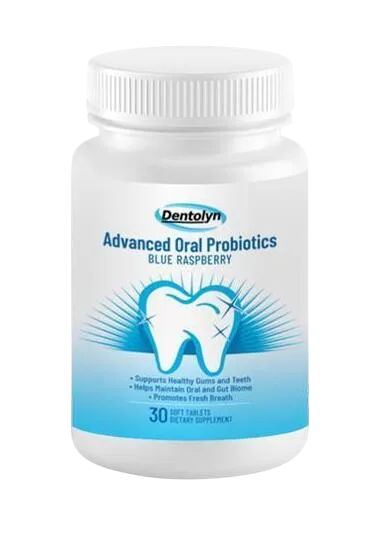
Dentolyn Review: Does It Really Support Healthy Gums and Fresh Breath?
A daily oral tablet with seven ingredients, sold on the official website with a 365-day money-back guarantee, and with no independent clinical evidence found.
Read the reviewFrequently Asked Questions About Clinoptilolite Zeolite
Does clinoptilolite zeolite really work?
The evidence is early. One small trial found lower stool zonulin in athletes, and manufacturer-funded studies measured blood metals. None of these show that it detoxifies the body or treats disease.
Is clinoptilolite zeolite safe?
Short-term use in small studies did not show major problems, but safety data are limited. Blood lead rose in some groups, and some minerals dipped in a 4-year trial. Talk to a clinician before using it, especially if you take medicines or have kidney disease.
Does zeolite remove heavy metals from the body?
It binds metals in laboratory tests. In people, the human data are small and industry-linked, and they do not show that it clears metals from the body. Some results, like a rise in blood lead, point the other way.
Should I take zeolite with medications?
Not without asking a clinician or pharmacist. Mineral binders can reduce the absorption of some drugs and nutrients, so timing and suitability matter.
Are all zeolite products the same?
No. Particle size, processing, purity and aluminum content differ, and the trial results apply only to the specific material tested. Look for independent testing for contaminants.
Sources
- Effects of PMA-zeolite (clinoptilolite) on blood minerals and metals — Frontiers in Medicine
- Zeolite clinoptilolite supplementation and zonulin in endurance athletes — Journal of the International Society of Sports Nutrition
- PMA-Zeolite-Clinoptilolite Effects in Crohn Disease — ClinicalTrials.gov
- Panaceo MED for IBS (NCT03817645) — trial registry
- Clinical evidence supporting the use of an activated clinoptilolite suspension — Nutrition and Dietary Supplements (Dove Medical Press)
Last reviewed: