Catuaba: Benefits, Research & Safety
Catuaba is a bark used in traditional Brazilian herbal medicine, and it is best known as a folk aphrodisiac and tonic. Supplement makers add it to formulas aimed at energy, mood and sexual wellness. Almost all of the research so far comes from lab and animal studies, so what it does in people is not established.
Catuaba Ingredient Guide
Also known as: Trichilia catigua, Catuaba, Erythroxylum vacciniifolium, Catigua, Tatuaba
- What it is
- Catuaba is the common name for the bark of several tropical trees from Brazil. Most commercial catuaba comes from Trichilia catigua, but Erythroxylum vacciniifolium and other plants are also sold under the name.
- What it does
- Lab and rodent studies found antioxidant and acetylcholinesterase-inhibiting activity, and some memory and anti-fatigue effects in mice. These findings are early, and it is unclear whether they apply to people.
- How it is used
- People take it as capsules, tablets, powdered bark, tinctures or tea, usually for tiredness, stress, memory or sex drive. Traditional use is not the same as proven benefit.
- Natural sources and forms
- Products use dried bark, powdered bark or hydroalcoholic extracts. There is no widely accepted standardization, and one analysis of commercial samples found that many did not match the species on the label.
- Why it appears in formulas
- Makers add it because of its traditional reputation as a stimulating tonic and aphrodisiac. It is often paired with other herbs in energy, male-wellness and circulation-themed blends.
- What to know before use
- Human safety data are thin, and product quality varies. Some products contain tropane alkaloids, which affect the nervous system. Talk to a clinician first if you are pregnant, trying to conceive, or take medicines for mood or anxiety.
What the Research Says
Overall: Early evidence
The research on catuaba is almost entirely preclinical. I found no controlled human trials of Trichilia catigua for energy, memory, mood or sexual function.
In mice, a hydroalcoholic bark extract partly reduced treadmill-induced fatigue. The same work found antioxidant and acetylcholinesterase-inhibiting activity in test tubes. The extract did not prevent scopolamine-induced amnesia in mice. Other rodent work found that a bark fraction improved memory in mice and reduced memory loss after a stroke-like injury in rats.
One in vitro test found that extracts had no effect on rabbit erectile tissue. That does not support the traditional aphrodisiac reputation.
Plant identity adds a further problem. An analysis of commercial samples found that most contained Trichilia catigua, but about half also contained tropane alkaloids, and the species do not match across products. This makes results hard to compare, and studies on one preparation may not apply to another.
Overall, catuaba has a long history of traditional use and some interesting animal findings. Those findings are hypotheses, not evidence of benefit in people.
| Studied for | What the research says | Evidence |
|---|---|---|
| Fatigue | A bark extract partly reduced treadmill-induced fatigue in mice. No human trials were found. | Early evidence |
| Memory and cognition | Some mouse and rat studies found memory improvements with bark fractions, but one extract did not prevent chemically induced amnesia. Human data are lacking. | Early evidence |
| Antioxidant activity | Bark extracts showed antioxidant and acetylcholinesterase-inhibiting activity in test-tube assays. This does not show a health effect in people. | Early evidence |
| Sexual function | Catuaba is traditionally used as an aphrodisiac, but a lab test on erectile tissue showed no effect from the extracts, and no human trials were found. | Early evidence |
Did you know? Same name, different plants
The name catuaba is used for bark from more than one tree. A 2004 analysis of fourteen commercial samples found that most contained Trichilia catigua, while about half also contained tropane alkaloids, which are not typical of that species. Two bottles labeled catuaba can therefore differ in what they actually contain.
Amounts Used in Studies
These are amounts researchers used, not dosing advice. Ask your doctor or pharmacist what is right for you.
| Form | Amount | Study context |
|---|---|---|
| Hydroalcoholic bark extract (animal studies) | Varied by study; no established human amount | Mouse and rat experiments, not human trials. These amounts cannot be applied to people. |
Safety, Side Effects and Interactions
Catuaba seems to be tolerated by most people in short-term use, but there is too little research to define its common side effects or a safe amount. Reported or potential effects include stomach upset or cramps, headache, dizziness and sweating. Serious allergic reactions are possible. Stop use and seek urgent help for hives, swelling of the face or throat, or trouble breathing.
Product quality is a real concern. Some products contain tropane alkaloids, which can affect the nervous system. Independent analysis has found that many products do not contain the plant species on the label. Sexual-performance supplements in general have sometimes been found to contain undisclosed drugs.
Some animal research suggests that crude Trichilia catigua extract may reduce fertility in female rats. Its effects on human pregnancy and breast milk are unknown. Choose products that have been tested by an independent lab, and talk to a clinician before using one.
Possible interactions
- Use caution with antidepressants such as SSRIs, SNRIs and MAOIs, because interaction research is incomplete.
- Products containing tropane alkaloids could add to the effects of other drugs that act on the nervous system.
- Whether alcohol affects catuaba is unknown.
- Interaction data overall are limited, so tell your pharmacist or doctor about any catuaba product you take.
Avoid it or ask a doctor first if
- Pregnant or breastfeeding
- Trying to conceive or with fertility concerns
- Taking antidepressants (SSRIs, SNRIs, MAOIs)
- Allergic to catuaba or related plants
- Under 18
Supplements We've Reviewed That Contain Catuaba
Each review checks the full formula, price, refund policy and side effects.
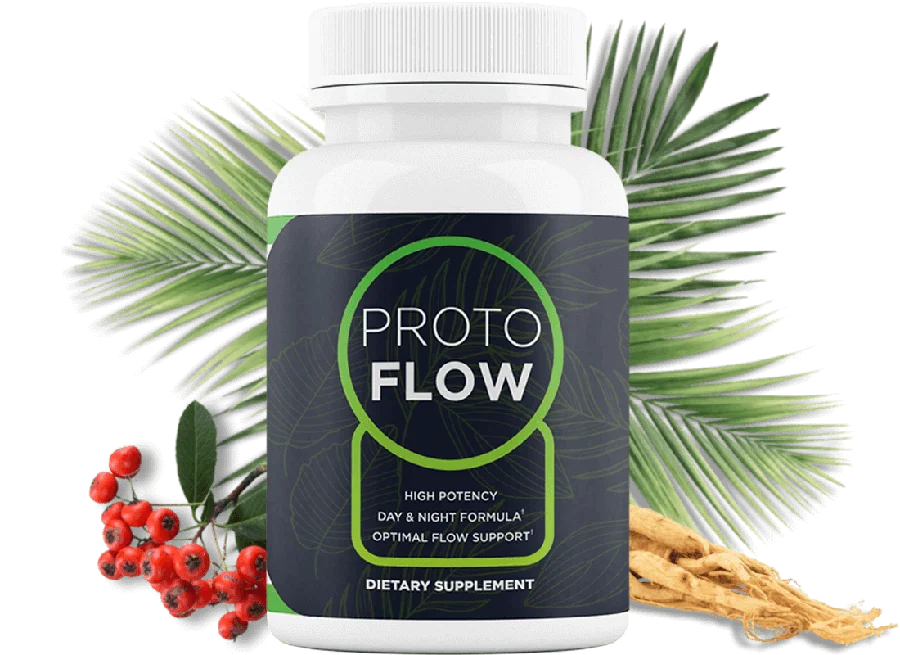
Protoflow Review: Is This Prostate Supplement Worth It?
Herbal men's prostate-support supplement sold only through the official website with a 60-day money-back guarantee; no dosages or independent evidence of effectiveness found.
Read the reviewFrequently Asked Questions About Catuaba
Does catuaba really work?
Human evidence is lacking. Animal and lab studies found antioxidant effects and some anti-fatigue and memory effects in mice, but results were mixed and are not proof of benefit in people. Its aphrodisiac reputation comes from traditional use.
Is catuaba safe?
Short-term use seems to be tolerated, but safety data are limited. Possible effects include stomach upset, headache and dizziness, and allergic reactions can occur. Animal data raise questions about fertility, and pregnant or breastfeeding people should avoid it.
What is catuaba made from?
It is made from the bark of tropical Brazilian trees, mostly Trichilia catigua. Other species, such as Erythroxylum vacciniifolium, are also sold under the name.
Is catuaba an aphrodisiac?
It has a long traditional reputation as one. I found no human trials, and a lab test on erectile tissue showed no effect, so the claim is unproven.
Can I take catuaba with antidepressants?
Use caution and ask a doctor or pharmacist first. Sources advise care with SSRIs, SNRIs and MAOIs because interaction research is incomplete.
Sources
- Antioxidant, anticholinesterase and antifatigue effects of Trichilia catigua (catuaba) — BMC Complementary and Alternative Medicine / PubMed
- Antioxidant, anticholinesterase and antifatigue effects of Trichilia catigua (catuaba) — PubMed Central
- Catuaba — WebMD
- Planta Medica 2004; 70(10): 993-1000 — Thieme
- Catuaba (Trichilia catigua, Erythroxylum vacciniifolium) — Krames Patient Education
Last reviewed: