Camu Camu Fruit: Benefits, Research & Safety
Camu camu is a small, tart, reddish-purple fruit from a shrub that grows in the Amazon. It is sold as a powder, capsule or juice, mainly because it is a very concentrated natural source of vitamin C. People take it for general antioxidant and immune support, but the human research is small and early.
Camu Camu Fruit Ingredient Guide
Also known as: Myrciaria dubia, camu-camu berry, cacari, camu camu powder
- What it is
- Camu camu (Myrciaria dubia) is a fruit native to Amazon floodplains in Peru and Brazil. The fresh fruit is very sour and is usually sold dried or as an extract.
- What it does
- It is thought to act mainly through its vitamin C and plant compounds such as polyphenols and flavonoids, which have antioxidant activity in lab studies. How much these compounds add beyond vitamin C in people is not settled.
- How it is used
- It is taken as a powder mixed into drinks or smoothies, in capsules, or as juice. People use it as a food-based source of vitamin C.
- Natural sources and forms
- The only natural source is the fruit, sometimes also the seeds or rind. Products include freeze-dried or spray-dried powders and extracts. The vitamin C content varies widely between products and is not standardized, so labels matter.
- Why it appears in formulas
- Makers add it as a plant-based vitamin C source and for an antioxidant or 'superfood' image in immune, greens and energy blends. It also adds a fruity, tart flavor.
- What to know before use
- Camu camu can deliver a lot of vitamin C, so count it with other vitamin C you take. Ask a doctor first if you have kidney stones, are pregnant or breastfeeding, or are having chemotherapy.
What the Research Says
Overall: Early evidence
Most research on camu camu comes from laboratory and animal studies. These show antioxidant and anti-inflammatory activity, but they can't show the same effect in people.
Human studies are few and small. One of the best known is a 2008 randomized trial in 20 healthy male smokers. It compared camu camu juice with vitamin C tablets that gave the same amount of vitamin C. Markers of oxidative stress and inflammation improved with the juice but not with the tablets. That hints that other compounds in the fruit may matter. It was very small and short, though, and it hasn't been widely replicated.
Published reviews of the antioxidant evidence mostly pull together lab data and a handful of small human studies. Reviews of its antimicrobial activity cover test-tube work only.
Some newer small trials look at metabolic and gut-related effects, but I could not verify them from primary sources, so they are not relied on here. Overall, it is reasonable to see camu camu as a vitamin C-rich fruit. Claims that it does more than other vitamin C sources are still unproven.
| Studied for | What the research says | Evidence |
|---|---|---|
| Antioxidant and inflammation markers | In a small 2008 trial in smokers, camu camu juice lowered some oxidative stress and inflammation markers, while matched vitamin C tablets did not. The study was tiny and short, and these were lab markers, not health outcomes. | Early evidence |
| Vitamin C source | The fruit is reported to be very high in vitamin C, though measured amounts vary widely by product and processing. It can contribute to vitamin C intake like other vitamin C sources. | Moderate evidence |
| Immune support and colds | No good human trials show camu camu itself prevents or shortens colds. Any immune claim rests mainly on its vitamin C content. | Limited evidence |
| Oral microbes (test tube) | Systematic review of lab studies found camu camu extracts affected oral microorganisms in vitro. This has not been shown to benefit people. | Early evidence |
Did you know? A tart fruit that grows in flooded forest
Camu camu shrubs grow along Amazon rivers and lakes and can stand partly submerged in water for months during the flood season. Reported vitamin C levels in the fresh fruit are many times higher than in oranges, but numbers vary a lot between samples and processing methods.
Amounts Used in Studies
These are amounts researchers used, not dosing advice. Ask your doctor or pharmacist what is right for you.
| Form | Amount | Study context |
|---|---|---|
| Camu camu juice | About 70 mL/day, providing roughly 1,050 mg vitamin C | One-week trial in 20 healthy male smokers, compared with vitamin C tablets |
| Powder or extract (commercial products) | Often 1 to 3 g/day on labels, with widely varying vitamin C content | Typical product labeling; not a tested or recommended amount, and few trials support a specific range |
Safety, Side Effects and Interactions
Camu camu fruit is eaten as food in South America, and short-term use of supplement amounts appears to be well tolerated in the small studies done. Safety data over the long term are limited.
Most concerns come from its vitamin C. High intakes may cause nausea, stomach cramps or diarrhea. The tolerable upper intake level for vitamin C from all sources for adults is 2,000 mg a day. Since camu camu products vary in strength and are often taken with multivitamins or other vitamin C products, it is easy to go over this.
Vitamin C in high amounts may add to kidney stone risk in susceptible people, mainly oxalate stones. It also increases iron absorption, which matters for people with iron overload conditions such as hemochromatosis.
There is not enough safety information for pregnancy, breastfeeding or children, so supplement amounts are best avoided without medical advice. Allergic reactions are possible with any fruit product, though rarely reported. Supplements are not tested for quality by the FDA before sale, so choose products with third-party testing and clear labels.
Possible interactions
- Memorial Sloan Kettering advises caution with chemotherapy and radiation, since high-dose antioxidants such as vitamin C might interfere with some cancer treatments; check with your oncology team.
- Vitamin C can increase iron absorption, which matters if you take iron supplements or have iron overload.
- High-dose vitamin C may affect how some medicines work, including certain statin and niacin combinations and warfarin; ask a pharmacist.
- Taking camu camu with other vitamin C products can push total intake above the 2,000 mg daily upper limit.
- Vitamin C may raise aluminum absorption from aluminum-containing antacids.
Avoid it or ask a doctor first if
- Have a history of kidney stones
- Are receiving chemotherapy or radiation, unless your care team approves
- Are pregnant or breastfeeding
- Have hemochromatosis or other iron overload
- Have kidney disease
- Already take high-dose vitamin C
Supplements We've Reviewed That Contain Camu Camu Fruit
Each review checks the full formula, price, refund policy and side effects.
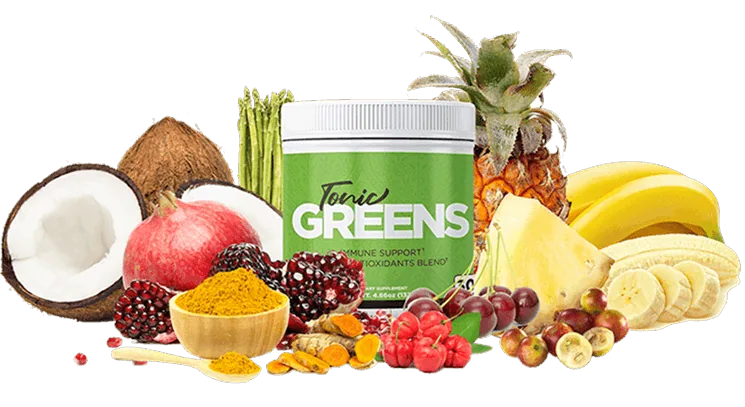
TonicGreens Review: Does This Greens Powder Really Support Immunity?
A daily greens-powder drink mix marketed for immune support, sold through the official website with a 60-day money-back guarantee.
Read the reviewFrequently Asked Questions About Camu Camu Fruit
Does camu camu really work?
It is a rich source of vitamin C, so it can help you meet vitamin C needs. Claims beyond that, such as stronger immunity or less inflammation, rest on small, short studies and lab research. Evidence is early, and it has not been shown to prevent or treat any disease.
Is camu camu safe?
For most healthy adults, food-level and typical supplement amounts seem to be well tolerated, with digestive upset the main side effect. Very high vitamin C intake can cause diarrhea and may raise kidney stone risk. Safety in pregnancy and long-term use is not well studied.
Is camu camu better than a regular vitamin C tablet?
One small trial found camu camu juice changed some inflammation markers while matching vitamin C tablets did not. That is interesting, but it is a single small study. It does not prove camu camu is better in practice.
How much vitamin C is in camu camu powder?
It varies a lot. Published and retail figures differ widely, and drying and processing change the content. Check the label for vitamin C per serving and count it toward your daily total.
Can I take camu camu with other supplements?
It is often combined with other fruit powders or vitamins. The main concern is stacking vitamin C from several products and exceeding the 2,000 mg upper limit. Tell your doctor or pharmacist about all supplements, especially if you take iron, warfarin or cancer treatments.
Sources
- Tropical fruit camu-camu (Myrciaria dubia) has anti-oxidative and anti-inflammatory properties — PubMed
- Antioxidant and associated capacities of Camu camu (Myrciaria dubia): a systematic review — PubMed
- Antimicrobial activity in vitro of camu-camu (Myrciaria dubia) against oral microorganisms: a systematic review — Revista Peruana de Medicina Experimental y Salud Pública
- Camu camu — Memorial Sloan Kettering Cancer Center
Last reviewed: