Bilberry: Benefits, Research & Safety
Bilberry is a dark blue berry related to the blueberry. It is rich in plant pigments called anthocyanins. People take bilberry extract mainly for eye comfort and general antioxidant support, though the research is limited.
Bilberry Ingredient Guide
Also known as: Vaccinium myrtillus, European blueberry, Whortleberry, Huckleberry
- What it is
- Bilberry (Vaccinium myrtillus) is a small, dark-blue berry that grows wild in Europe and parts of North America. It is a close relative of the American blueberry.
- What it does
- Its anthocyanins are antioxidants. In lab and animal studies they affect blood vessel function, inflammation and platelet activity. How well this carries over to people is not settled.
- How it is used
- People take it as capsules or tablets of dried extract, as liquid extracts, or eat the fruit. Extracts are most often taken for eye comfort.
- Natural sources and forms
- The fruit is the usual source. Extracts are often standardized to about 25% anthocyanins. Bilberry leaf products also exist, but they are a different material with a different safety profile.
- Why it appears in formulas
- Makers add it to eye-health, antioxidant and circulation formulas because of its anthocyanin content and its long traditional use.
- What to know before use
- Use fruit extract, not leaf products. High doses or long use of bilberry leaf are considered potentially unsafe. Talk with a clinician first if you take blood thinners or diabetes medicines.
What the Research Says
Overall: Limited evidence
Human research on bilberry is small and mixed in quality. The most consistent results are in eye fatigue from screen use. A 12-week placebo-controlled trial of 240 mg of standardized extract in regular screen users reported improved eye fatigue symptoms. A separate 8-week trial in office workers reported similar changes. Small trials have also looked at tear production and eye strain.
One older review of placebo-controlled trials found no rigorous evidence that bilberry improves night vision in people with normal eyesight. This goes against a popular claim about pilots in World War II.
Research on blood sugar is early. It includes a very small study in people with type 2 diabetes and a study using whole berries rather than extract.
The older NCCAM fact sheet, from the agency now called NCCIH, concluded there was not enough scientific evidence to support bilberry fruit or leaf for any health condition. Newer trials have been small and short. Many were funded by or linked to extract makers. Bilberry has not been shown to prevent or treat any disease.
| Studied for | What the research says | Evidence |
|---|---|---|
| Eye fatigue from screens | Small placebo-controlled trials of 8 to 12 weeks reported less eye heaviness, pain and fatigue in screen users taking standardized extract. Trials are few and small. | Limited evidence |
| Dry or strained eyes | A small trial of 22 adults reported more tear production after four weeks of extract. Larger confirming studies are needed. | Early evidence |
| Night vision | A systematic review found no solid evidence that bilberry improves night vision in people with normal vision. | Limited evidence |
| Blood sugar | A very small study found a lower glucose and insulin response after a glucose challenge. Other work used whole berries, so it does not test extract directly. | Early evidence |
Did you know? The pilot story
A popular story says British pilots in World War II ate bilberry jam to see better on night missions. A later systematic review of placebo-controlled trials found no rigorous evidence that bilberry improves night vision in people with normal eyesight.
Amounts Used in Studies
These are amounts researchers used, not dosing advice. Ask your doctor or pharmacist what is right for you.
| Form | Amount | Study context |
|---|---|---|
| Standardized bilberry fruit extract (anthocyanin-standardized) | About 240 mg/day | 8 to 12 week trials in screen users with eye fatigue |
| Fresh or whole bilberries | Varies by study | Small studies on blood sugar markers in adults with impaired glucose metabolism |
Safety, Side Effects and Interactions
Bilberry fruit and fruit extracts are generally well tolerated in food amounts and at the amounts used in short studies. Reported side effects are uncommon and mild, and may include stomach upset. Long-term safety of concentrated extracts has not been well studied.
Bilberry leaf is different. High doses or extended use of leaf or leaf extract are considered possibly unsafe because of potential toxic effects.
Because anthocyanin extracts may reduce platelet clumping in lab and animal research, there is a theoretical risk of extra bleeding. Bilberry may also lower blood sugar slightly. Safety data for pregnancy and breastfeeding are lacking, so people in those groups usually avoid concentrated extracts. Supplements are not tightly regulated, so product quality and anthocyanin content vary. Tell your health care providers about any supplement you use.
Possible interactions
- May add to the effect of anticoagulants and antiplatelet drugs such as warfarin, clopidogrel and aspirin. This is mostly theoretical.
- May add to the effect of diabetes medicines and cause low blood sugar.
- May add to the effect of other supplements that affect clotting, such as ginkgo, garlic and fish oil.
- Stop use before planned surgery as advised by your surgeon, because of possible bleeding effects.
Avoid it or ask a doctor first if
- You take blood thinners or antiplatelet medicines (ask a doctor first)
- You have a bleeding disorder
- You take diabetes medicines or have blood sugar problems
- You are pregnant or breastfeeding
- You have surgery scheduled within about two weeks
- You are considering bilberry leaf products
Supplements We've Reviewed That Contain Bilberry
Each review checks the full formula, price, refund policy and side effects.
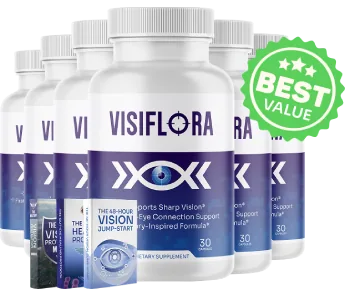
VisiFlora Review: Is This Gut-Eye Supplement Legit or Worth Buying?
A 22-ingredient eye-vitamin-style supplement marketed around a gut-eye connection, sold only through the official website.
Read the review
TheyaVue Review: Does This Eye Supplement Really Work?
Vegetarian capsule supplement marketed for eye and vision health, sold only through the official website.
Read the review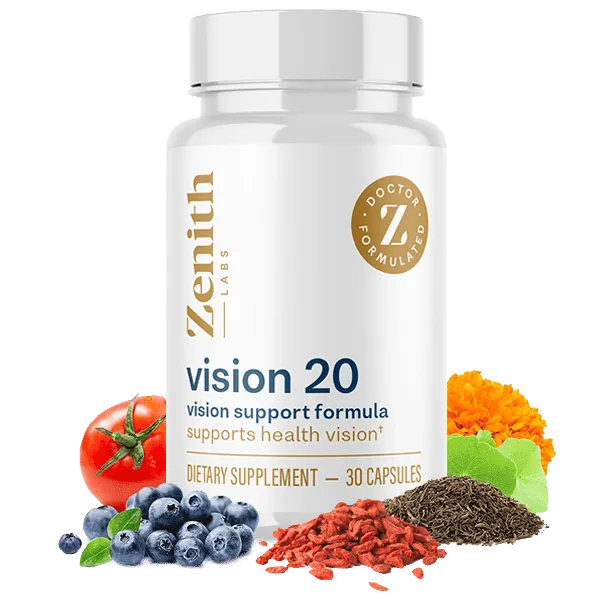
Vision 20 Review: Does This Eye Health Supplement Really Work?
A 10-ingredient carotenoid and zinc capsule sold through the official website, marketed for near- and far-distance vision, low-light vision and age-related vision decline.
Read the review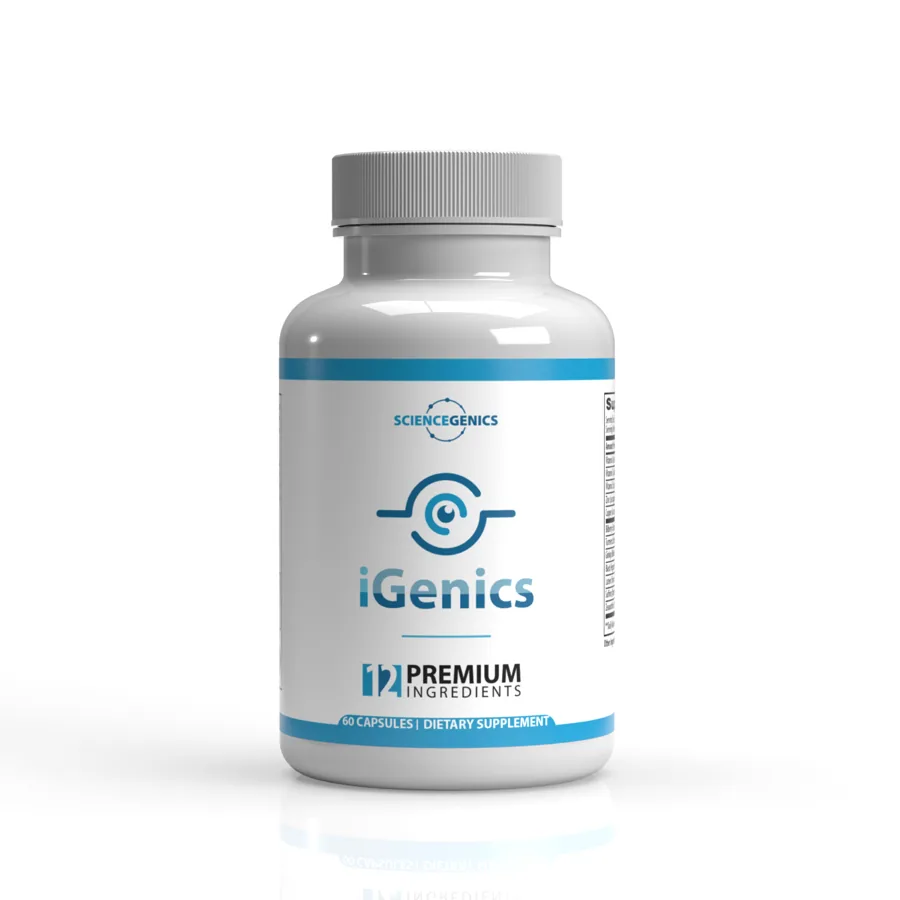
iGenics Review: Does This Eye Supplement Really Support Vision?
Vision-support dietary supplement built on an AREDS-2-style formula with Ginkgo biloba, sold through the official website.
Read the reviewFrequently Asked Questions About Bilberry
Does bilberry really work?
Research suggests bilberry extract may ease eye fatigue in screen users, but the trials are small and short. Evidence for other uses, such as night vision or blood sugar, is weak or early. It is not proven to treat any condition.
Is bilberry safe?
Bilberry fruit and fruit extract are generally considered safe in food amounts and for short-term use. Leaf products are considered unsafe at high doses or with long use. People on blood thinners or diabetes medicines should ask a clinician first.
Is bilberry the same as blueberry?
No. They are related species. Bilberry (Vaccinium myrtillus) is smaller and darker, and its flesh is blue or purple throughout. North American blueberries have pale flesh. Bilberry usually has more anthocyanins.
Should I take bilberry leaf or fruit?
Most research on eye comfort used fruit extract. Leaf products have been linked to safety concerns at high doses or with long use, so fruit extract is the safer choice.
How long does bilberry take to work?
In the eye-fatigue trials, changes were measured after about 8 to 12 weeks of daily use. Results varied by person, and some people may notice nothing.
Sources
- Bilberry — NCCAM (archived fact sheet), via University of North Texas Web Archive
- Effects of standardized bilberry extract on ocular fatigue with visual display terminal tasks — Nutrients (MDPI)
- Bilberry extract may offer benefits for dry eyes — Nutritional Outlook
Last reviewed: