Astragalus: Benefits, Research & Safety
Astragalus is a root herb used for centuries in traditional Chinese medicine as a general tonic. People take it today hoping to support immune health, stamina and energy. Human research is limited and often low in quality, so most claims are still unproven.
Astragalus Ingredient Guide
Also known as: Astragalus membranaceus, Astragalus mongholicus, Huang qi, Milkvetch root
- What it is
- Astragalus is the root of plants in the Astragalus genus, mainly Astragalus membranaceus, which is native to northern and eastern Asia. It is a long-used herb in traditional Chinese medicine, where it is called huang qi.
- What it does
- Lab and animal studies suggest compounds such as polysaccharides, saponins (astragalosides) and flavonoids may influence immune cells and act as antioxidants. These effects have not been reliably shown in people.
- How it is used
- It is taken as capsules, tablets, powders, liquid extracts and teas or decoctions made from the sliced root. In clinical settings, it has also been given by injection in some countries, which is a different use from over-the-counter supplements.
- Natural sources and forms
- Supplements use the dried root, either whole powdered or as water or alcohol extracts. Some products are standardized to astragalosides or polysaccharides, but standards vary between products.
- Why it appears in formulas
- Makers add it to immune, energy and 'adaptogen' style blends because of its long traditional use as a tonic. It is also found in combinations with other Chinese herbs.
- What to know before use
- Talk to a healthcare provider first if you take immunosuppressants, blood thinners, diabetes, blood pressure or lithium medicines, have an autoimmune condition, are pregnant or breastfeeding, or are in cancer treatment.
What the Research Says
Overall: Limited evidence
Most of the research on astragalus comes from cell and animal studies. Those findings can't be assumed to apply to people, because the concentrations used in the lab are often unlikely to be reached in the body.
Human studies exist, but many are small, short, done in a limited range of countries, or poorly designed. Several are of astragalus combined with other herbs, or given by injection, which makes it hard to know what the astragalus itself contributed. Some meta-analyses, mostly in people with cancer or kidney disease, report possible benefits for things like treatment-related nausea or fatigue, but the authors and reviewers note that the underlying studies were often of poor methodological quality.
The NIH's National Center for Complementary and Integrative Health states there is not enough reliable scientific evidence to know whether astragalus is useful for any health condition. Long-term safety and effectiveness data are lacking. In short, astragalus is an interesting traditional herb with early signals, not a proven remedy.
| Studied for | What the research says | Evidence |
|---|---|---|
| Immune function | Lab and animal studies suggest astragalus compounds may affect immune cells. Good human trials showing a meaningful immune benefit are lacking. | Early evidence |
| Cancer-related fatigue and nausea | Some meta-analyses of mostly small trials, often in combination with conventional care or other herbs, report less nausea and fatigue. Reviewers describe many of these studies as poorly designed. | Limited evidence |
| Kidney health | Reviews of trials in people with kidney disease have been limited by low study quality, small size and limited geographic range, so no firm conclusions can be drawn. | Limited evidence |
| Antioxidant and other lab effects | Test-tube and animal work points to antioxidant and other biological activity. It is not known whether oral supplements produce these effects in people. | Early evidence |
Did you know? A long history as a tonic
Astragalus, called huang qi in Chinese, has been used in traditional Chinese medicine for centuries, often in blends with other herbs. Today most modern research on it is in the lab or in combination with other treatments, so tradition is far ahead of the clinical evidence.
Amounts Used in Studies
These are amounts researchers used, not dosing advice. Ask your doctor or pharmacist what is right for you.
| Form | Amount | Study context |
|---|---|---|
| Dried root or extract, taken by mouth | Up to about 60 g/day of root in some studies | NCCIH notes use for up to 4 months did not appear to cause adverse effects, though a full safety evaluation has not been done |
| Commercial extracts and capsules | Varies widely by product and standardization | Trials differ in preparation and dose, so there is no established amount shown to be effective |
Safety, Side Effects and Interactions
Oral astragalus appears to be well tolerated in most people for short periods, and adverse effects are generally uncommon. Reported effects include rash, itching, nasal symptoms, stomach discomfort, and in one study short-lived fatigue, headache and low blood pressure. The NIH LiverTox database says astragalus has not been linked to liver enzyme elevations or clinically apparent liver injury.
A thorough safety evaluation has not been done, and long-term safety is unknown. There is not enough reliable information about use on the skin. Little is known about use in pregnancy or breastfeeding, and some animal research suggests possible toxicity to the fetus.
Because astragalus may stimulate the immune system, NCCIH advises people with autoimmune diseases to avoid it. Its possible estrogen-like activity is a concern for hormone-sensitive cancers, although this is based on lab data. Product quality can vary, and supplements are not reviewed by the FDA before sale.
Possible interactions
- Immunosuppressants (such as tacrolimus or cyclophosphamide): astragalus may reduce their effect; one report described a large drop in tacrolimus levels.
- Blood thinners such as warfarin: may raise bleeding risk.
- Blood pressure medicines and diuretics: may add to blood pressure lowering or diuretic effects.
- Diabetes medicines: may add to blood sugar lowering.
- Lithium: may reduce lithium excretion.
- Chemotherapy and hormone therapies: possible interference; clinical relevance is unknown, so tell your oncology team.
Avoid it or ask a doctor first if
- Autoimmune disease (such as lupus, MS or rheumatoid arthritis)
- Taking immunosuppressants or after an organ transplant
- Pregnant or breastfeeding
- Hormone-sensitive cancer, unless your doctor agrees
- Taking blood thinners, diabetes, blood pressure or lithium medicines, without medical advice
- Having surgery soon, ask your doctor
Supplements We've Reviewed That Contain Astragalus
Each review checks the full formula, price, refund policy and side effects.

Longevity Activator Review: Does It Really Work for Healthy Aging?
A multi-ingredient anti-aging supplement sold through the official website, claiming to support autophagy and telomeres; key claims are not verified by independent research.
Read the review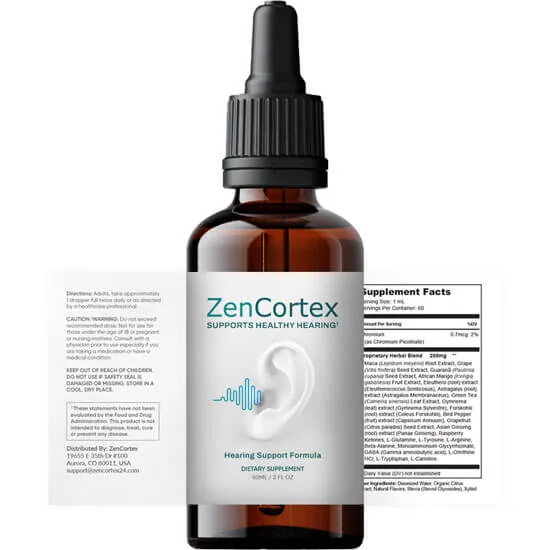
ZenCortex Review: Does It Really Support Healthy Hearing?
Plant-and-mineral liquid drops sold on the official website, marketed for hearing support and all-day energy, with a 60-day money-back guarantee as stated on the page.
Read the reviewFrequently Asked Questions About Astragalus
Does astragalus really work?
The evidence is limited. Most findings come from cell and animal studies, and human trials are often small or poorly designed. NCCIH says there isn't enough reliable evidence to know if it helps any health condition.
Is astragalus safe?
Oral astragalus seems to be well tolerated by most people in the short term, with mild side effects such as rash or stomach upset. Long-term safety hasn't been fully studied, and it may interact with several medicines. People with autoimmune conditions or who are pregnant should avoid it or speak with a clinician first.
Can astragalus affect the immune system?
Lab research suggests it may stimulate immune cells. That's why it is marketed for immune support, but it's also why it may worsen autoimmune conditions or work against immunosuppressant drugs.
Can I take astragalus with medications?
It may interact with immunosuppressants, blood thinners, diabetes drugs, blood pressure medicines, diuretics and lithium. Check with a pharmacist or doctor before combining it with any prescription medicine.
What form of astragalus is used in studies?
Studies use root powders, extracts, decoctions and, in some cases, injections. Products differ in how they are made and standardized, so results from one form may not apply to another.
Sources
- Astragalus — Memorial Sloan Kettering Cancer Center
- Astragalus — NCCIH
- Astragalus — LiverTox, NCBI Bookshelf
- Astragalus — Merck Manuals
- Astragalus — ASCO Post
Last reviewed: