African Mango: Benefits, Research & Safety
African mango is the seed of the West and Central African tree Irvingia gabonensis, also called bush mango. Seed extract is sold mainly for weight management and cholesterol support. The human research is small and mostly low quality, so the claims are stronger than the evidence.
African Mango Ingredient Guide
Also known as: Irvingia gabonensis, Bush mango, Wild mango, Dika nut, Ogbono, Irvingia seed extract
- What it is
- African mango is the kernel (seed) of Irvingia gabonensis, a tree native to West and Central Africa. The seed is eaten as a food thickener in local cooking and is also made into a concentrated supplement extract.
- What it does
- The seed is rich in soluble fiber and fat. Researchers have proposed that it may slow digestion and affect blood sugar, blood fats and appetite-related hormones such as leptin and adiponectin. Most of this mechanism work comes from animal and lab studies and is not firmly confirmed in people.
- How it is used
- People take it as capsules or powder, usually before meals, mainly for weight management and cholesterol. It is also used in traditional African cooking and medicine.
- Natural sources and forms
- Supplements use seed extract or seed powder, sometimes labeled as fiber-rich extract. There is no universal standardization, so strength varies between products. Fruit pulp and seed are different parts of the plant, and the research is on the seed.
- Why it appears in formulas
- Makers add it to weight and metabolism blends because of the published trials on body weight and blood fats and its natural fiber content. It also appeals as a plant-based ingredient with a tropical origin story.
- What to know before use
- People who take diabetes medicines, are pregnant or breastfeeding, or have liver or kidney disease should talk to a clinician first. Product quality varies, and the safety data are limited.
What the Research Says
Overall: Limited evidence
The human research on African mango is small. Most trials are short (about 4 to 10 weeks) and enroll small groups of overweight adults. Many were run by the same research groups.
A 2020 meta-analysis pooled five randomized trials. It found reductions in body weight, body fat and waist size, and improvements in cholesterol and triglycerides, compared with placebo. However, four of the five trials were rated at high risk of bias, and the one low-risk trial did not show a significant difference. An earlier 2013 systematic review likewise concluded that the effect on body weight is unproven because the trials were few and poorly reported.
The results are positive on paper, but the quality is too weak to be confident. There are no large, long-term, independent trials. The lab and animal findings on how it works should not be read as proof that it works in people. Overall, African mango may modestly support weight and cholesterol measures in some studies, but it is not a proven weight-loss aid, and any effect is likely small next to diet and activity.
| Studied for | What the research says | Evidence |
|---|---|---|
| Body weight and waist size | Pooled small trials showed greater weight and waist loss than placebo, but most had a high risk of bias. The one low-risk-of-bias trial did not show a significant difference. | Limited evidence |
| Cholesterol and triglycerides | A 2020 meta-analysis reported improvements in total and LDL cholesterol, HDL and triglycerides. The underlying trials were small and of low quality. | Limited evidence |
| Blood sugar | Some small trials and animal studies reported lower fasting glucose. The human data are sparse and the findings are not firmly established. | Early evidence |
| Antimicrobial and other traditional uses | Traditional uses such as diarrhea, pain and infection have mostly been tested only in lab studies. No reliable human evidence supports them. | Early evidence |
Did you know? A seed, not the mango you eat
African mango is not the same as the common mango fruit. It is a relative of a different tree family, and the supplement comes from the seed kernel rather than the sweet pulp. In West and Central Africa the ground seed, called ogbono or dika nut, is a traditional soup thickener.
Amounts Used in Studies
These are amounts researchers used, not dosing advice. Ask your doctor or pharmacist what is right for you.
| Form | Amount | Study context |
|---|---|---|
| Seed extract capsules | About 300 mg/day, often split into two doses taken before meals | Small trials lasting roughly 10 weeks in overweight adults |
| Seed powder or fiber-rich preparations | Several grams per day | Older small studies; amounts and preparations varied and are poorly standardized |
Safety, Side Effects and Interactions
In trials, African mango extract was generally well tolerated over the short term. The side effects reported most often were headache, gas and trouble sleeping. Some of these also occurred in placebo groups, so the cause is unclear.
There are rare case reports of serious problems. One case of acute hepatitis improved after the capsules were stopped. Another report described kidney failure requiring dialysis in a person who used an African mango herbal product for about two and a half months. A single case report cannot prove cause, but it is a reason for caution.
Safety over the long term has not been well studied. There is not enough reliable information on use during pregnancy or breastfeeding, or in children. Seeds can contain small amounts of naturally occurring compounds, and supplements are not tested for strength or purity before sale in the US, so quality varies between products. Stop use and seek medical care if you notice yellowing of the skin or eyes, dark urine, severe stomach pain or marked changes in urination.
Possible interactions
- Diabetes medicines: it may lower blood sugar, so the effects could add up and cause low blood sugar.
- It may interfere with how other oral medicines are absorbed, so ask a pharmacist about timing.
- Cholesterol-lowering drugs: the combined effect has not been studied, so tell your clinician.
- Some references advise against combining it with testosterone products. The evidence for this is limited.
- Stopping it about two weeks before scheduled surgery is commonly advised because of possible blood sugar effects.
Avoid it or ask a doctor first if
- Pregnant or breastfeeding
- Taking diabetes medicines or insulin
- Have liver or kidney disease
- Scheduled for surgery soon
- Have a history of reactions to mango or related plants
- Under 18 years old
Supplements We've Reviewed That Contain African Mango
Each review checks the full formula, price, refund policy and side effects.
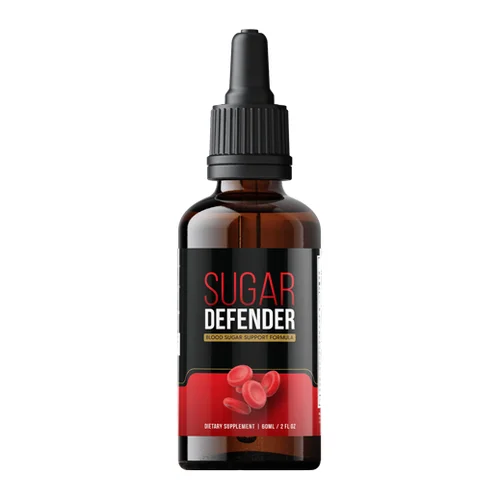
Sugar Defender Review: Does It Really Support Healthy Blood Sugar?
Blood sugar and energy liquid supplement sold on the official website with a 60-day money-back guarantee; the company's claims are not independently verified and buyer refund complaints are documented.
Read the review
Ikaria Juice Review: Does It Really Help With Belly Fat and Metabolism?
A powdered daily drink mix sold on the official website that claims to boost metabolism and fat loss through a blend of plant extracts and antioxidants.
Read the reviewFrequently Asked Questions About African Mango
Does African mango really work?
Small trials report modest reductions in weight and waist size, but most were rated at high risk of bias, and the one low-risk trial showed no significant difference. Reviewers describe the evidence as promising but limited. It should not be treated as a proven weight-loss tool.
Is African mango safe?
It appears to be generally well tolerated in short trials, with headache, gas and sleep difficulty reported. There are rare case reports of liver and kidney problems, and long-term safety data are lacking. People who are pregnant, who take diabetes medicines or who have liver or kidney disease should ask a clinician first.
Is African mango the same as regular mango?
No. The supplement is made from the seed of Irvingia gabonensis, a different plant from the common mango tree. The fruit you eat does not offer the same seed compounds.
Can African mango lower cholesterol?
A 2020 meta-analysis reported improvements in cholesterol and triglycerides, but the trials behind it were small and of low quality. It should not replace prescribed treatment or lifestyle changes.
How long does African mango take to work?
Studies lasted about 4 to 10 weeks, so that is the window in which any effects were measured. Results varied, and many people may notice nothing. There is no reliable evidence on long-term use.
Sources
- African Mango (Irvingia gabonensis) Extract for Weight Loss: A Systematic Review — Journal of Nutritional Therapeutics
- Irvingia gabonensis seed extract and body weight, meta-analysis (PubMed 31855111) — PubMed
- Irvingia gabonensis systematic review of randomized trials (PubMed 23419021) — PubMed
- Irvingia gabonensis — Memorial Sloan Kettering Cancer Center
- Irvingia gabonensis monograph — Natural Medicines (Therapeutic Research Center)
Last reviewed: