Acai Berry: Benefits, Research & Safety
Acai berry is the dark purple fruit of the acai palm, which grows in the Amazon region. It is rich in plant compounds called anthocyanins. People take it as a powder, juice or capsule, mainly for its antioxidant content and as part of weight or wellness products.
Acai Berry Ingredient Guide
Also known as: Acai, Açaí, Euterpe oleracea, Acai palm fruit
- What it is
- Acai is the small, dark purple fruit of the palm Euterpe oleracea, native to Central and South America. The pulp and skin are eaten or dried into powders and extracts.
- What it does
- Its anthocyanins and other polyphenols are thought to act as antioxidants and may influence inflammation pathways. Most of this comes from lab and animal work, and human data are smaller.
- How it is used
- It is eaten as frozen pulp, juice or smoothie bowls, and taken as freeze-dried powder or capsules. It is also added to blends marketed for energy, weight or general wellness.
- Natural sources and forms
- Forms include frozen pulp, juice, freeze-dried powder and concentrated extracts. Polyphenol content varies widely between products, and there is no universal standardization.
- Why it appears in formulas
- Makers add it as an antioxidant ingredient and for its popular image as a superfruit. Its purple color and fruit-based appeal also help marketing.
- What to know before use
- Evidence that acai helps with weight loss or any health condition is weak. Be wary of products sold as cleanses or weight-loss aids, because some have contained undeclared or unrelated ingredients.
What the Research Says
Overall: Limited evidence
Human research on acai is small and mostly short. NCCIH states that there is no definitive scientific evidence from human studies to support acai berry for any health purpose.
An integrative review of clinical trials (covering acai and a related berry, juçara, through 2020) found 23 trials. Its authors reported that the berries may help antioxidant defenses and may reduce metabolic stress and inflammation. Several randomized trials measured markers of oxidative stress and inflammation, such as 8-isoprostane. These trials were small, often 8 to 12 weeks or 60 days, and some had high dropout rates.
Results on blood fats and blood sugar are mixed. Some trials in people with dyslipidemia or metabolic syndrome saw no change in lipid or glucose measures, while a recent meta-analysis reported a reduction in total lipids and called for better-designed trials. Many studies were funded or supplied by industry and used different products, which makes comparison hard. Evidence for weight loss, cleansing or disease prevention is lacking.
| Studied for | What the research says | Evidence |
|---|---|---|
| Oxidative stress markers | Some randomized trials found lower levels of the oxidative stress marker 8-isoprostane after weeks of acai pulp or beverage. These are markers, not proof of health outcomes. | Limited evidence |
| Inflammation markers | A 12-week trial in people with metabolic syndrome reported lower interferon gamma and urinary 8-isoprostane versus placebo. The study was small. | Early evidence |
| Blood lipids and glucose | Results are mixed. Two trials saw no change in lipids or glucose, while a meta-analysis reported lower total lipids and called for better trials. | Limited evidence |
| Weight loss | No solid human evidence supports acai for weight loss, despite heavy marketing. | Early evidence |
Did you know? A berry that doubled as a scan contrast
Acai pulp has been tested experimentally as an oral contrast agent for MRI of the digestive tract. This is a research use of the fruit and does not mean supplements are a medical imaging aid.
Amounts Used in Studies
These are amounts researchers used, not dosing advice. Ask your doctor or pharmacist what is right for you.
| Form | Amount | Study context |
|---|---|---|
| Acai pulp (frozen or dried) | About 100 to 200 g of pulp per day | Trials of roughly 4 to 12 weeks in people with metabolic risk factors; amounts varied and are approximate |
| Acai beverage or juice | Varies by study | 12-week trials in adults with metabolic syndrome; polyphenol content differed between products |
Safety, Side Effects and Interactions
Acai pulp has been used for up to 3 months in clinical research with no serious adverse effects reported, according to NCCIH. Eaten as food, it is generally considered safe. Long-term safety data for concentrated supplements are lacking.
Possible side effects are mostly mild, such as digestive upset. People allergic to palm fruits or related plants could react. Quality is a concern: a case report described muscle breakdown (rhabdomyolysis) in a man using a weight-loss supplement labeled as acai that, on analysis, did not contain any acai. Some products sold as acai cleanses have also contained strong laxative ingredients. Choose products with third-party testing and be skeptical of weight-loss claims.
Acai pulp has been used experimentally as an oral contrast agent for MRI of the gut. I found no evidence that supplements interfere with scans, but tell your imaging team about any supplements you take. Safety in pregnancy and breastfeeding has not been well studied.
Possible interactions
- Preliminary research suggests acai may raise or lower blood glucose, so it could affect diabetes medicines.
- Antioxidant-rich supplements might theoretically interact with some treatments such as chemotherapy; ask your oncology team.
- Products that combine acai with stimulants, laxatives or other herbs add their own interaction risks.
- Tell your doctor about acai use before surgery or imaging tests.
Avoid it or ask a doctor first if
- Pregnant or breastfeeding, unless your clinician agrees
- Allergic to acai or palm fruits
- Taking diabetes medicines, ask a doctor first
- Undergoing cancer treatment, ask your care team first
- Considering products marketed as cleanses or weight-loss aids
Supplements We've Reviewed That Contain Acai Berry
Each review checks the full formula, price, refund policy and side effects.
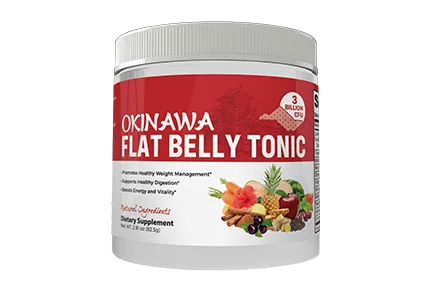
Okinawa Flat Belly Tonic Review: Does It Really Work for Weight Loss?
A daily powdered weight-loss supplement sold only through the official website, with a 90-day money-back guarantee stated on the sales page.
Read the reviewFrequently Asked Questions About Acai Berry
Does acai berry really work?
Research suggests acai may influence some markers of oxidative stress and inflammation, but studies are small and short. NCCIH says there is no definitive human evidence supporting it for any health purpose. Claims about weight loss or detox are not supported.
Is acai berry safe?
Acai pulp used for up to 3 months in research has not caused serious problems, and as a food it is generally considered safe. Long-term data on concentrated supplements are lacking, and some products labeled as acai have been mislabeled or adulterated. Check with a clinician if you take medicines or have a health condition.
Can acai help with weight loss?
No good human trials show that acai causes weight loss. Many products sold for this purpose have been criticized for misleading claims, and some contained other ingredients.
Is it better to eat acai or take capsules?
Studies have mostly used whole pulp or beverages. Capsules and extracts vary in content and have been less studied, so there is no proof one form is better.
Does acai affect blood sugar?
Preliminary research showed acai might raise or lower fasting glucose, and trials have mostly found no clear effect. If you use diabetes medicines, talk to your clinician before taking it.
Sources
- Acai — NCCIH
- An evidence-based systematic review of acai (Euterpe oleracea) by the Natural Standard Research Collaboration — PubMed
- Açaí (Euterpe oleracea Mart.) in Health and Disease: A Critical Review — Nutrients (PMC)
- Acai berry cleanse — Healthline
- Acai berry safety studies — ConsumerLab
Last reviewed: