Goji Berry: Benefits, Research & Safety
Goji berry, also called wolfberry, is the small red fruit of Lycium barbarum and related species. It has long been eaten and used in traditional Chinese practice. People take it as a dried fruit, juice or extract for its antioxidant content and general wellness support.
Goji Berry Ingredient Guide
Also known as: Wolfberry, Lycium barbarum, Lycium chinense, Chinese wolfberry, Gou qi zi
- What it is
- Goji berry is the fruit of Lycium shrubs native to China and nearby regions. It contains Lycium barbarum polysaccharides (LBP), carotenoids such as zeaxanthin, and other plant compounds.
- What it does
- Lab and animal studies suggest the polysaccharides and carotenoids have antioxidant and immune-modulating activity. How well this carries over to people is still being worked out.
- How it is used
- It is eaten dried, brewed as tea, drunk as juice, or taken as capsules and extracts. Traditional food use is often given as about 6-12 g of dried fruit a day.
- Natural sources and forms
- The main source is the dried whole fruit. Extracts may be standardized to polysaccharides (LBP), but there is no universal standard, so content varies between products.
- Why it appears in formulas
- Makers add it as an antioxidant and traditional botanical, often in blends aimed at general vitality, metabolic or eye and cognitive support.
- What to know before use
- Goji may interact with the blood thinner warfarin and might affect blood sugar and blood pressure medicines, so check with a doctor or pharmacist first if you take any medication.
What the Research Says
Overall: Limited evidence
Most goji research is in cells and animals. Human research exists but is small, short and often uses different products, which makes results hard to compare.
A 2019 systematic review of Lycium barbarum polysaccharides found only 2 randomized trials among 20 papers. The authors called the compound promising but noted a lack of standardization and quality control. Meta-analyses of randomized trials have pooled a few hundred participants: one of 7 trials (548 people) found lower fasting glucose but no clear change in cholesterol, body weight or blood pressure, and another of 5 trials (259 people) found lower triglycerides. Authors of these reviews call for larger, better-standardized trials.
Human evidence for other claims, such as eye, immune, mood or cancer-related benefits, is mostly observational or preliminary. No trials show that goji treats or prevents any disease. Overall, goji is best seen as a nutrient-rich food with some early signals, not a proven supplement.
| Studied for | What the research says | Evidence |
|---|---|---|
| Blood sugar | A meta-analysis of 7 randomized trials reported lower fasting glucose with Lycium barbarum. Trials were small and varied in product used. | Limited evidence |
| Blood lipids | A pooled analysis of 5 trials found lower triglycerides, while another review found no significant change in total cholesterol. Larger trials are needed. | Limited evidence |
| Body weight and blood pressure | The same meta-analysis found no benefit for body weight or blood pressure. | Limited evidence |
| Antioxidant and immune effects | Mechanisms such as antioxidant and immune activity are mostly shown in lab and animal studies, with only early human work. | Early evidence |
Did you know? A berry with a warfarin warning
Goji is a food, yet it is one of the few fruits with published case reports of a warfarin interaction. In one report, a man on a stable dose had a raised INR after drinking goji wine, and it normalized once he stopped.
Amounts Used in Studies
These are amounts researchers used, not dosing advice. Ask your doctor or pharmacist what is right for you.
| Form | Amount | Study context |
|---|---|---|
| Dried fruit (traditional food use) | About 6-12 g/day | Typical amount described in safety literature and traditional use |
| Polysaccharide-based extracts or juice | Varies widely by product | Short human trials with no standard amount, so no single range can be given |
Safety, Side Effects and Interactions
Goji is generally considered possibly safe for short-term use in food-like amounts, according to MedlinePlus. Reported side effects are uncommon and can include digestive upset. Allergic reactions have been reported, especially in people allergic to other plants in the nightshade family or to certain fruits and pollen.
The best-documented concern is a possible interaction with warfarin. Case reports describe raised INR values and bleeding in people drinking large amounts of goji tea, juice or wine. Lab data suggest goji may inhibit the liver enzyme CYP2C9, though the evidence is mostly case reports and lab studies. Long-term safety of concentrated extracts is not well studied. There is no goji-specific record in LiverTox. Safety in pregnancy and breastfeeding is not established, and MedlinePlus advises avoiding it.
Possible interactions
- Warfarin: case reports describe raised INR and bleeding, so closer monitoring is advised.
- Diabetes medicines: goji might lower blood sugar further.
- Blood pressure medicines: goji might add to blood pressure lowering.
- Drugs processed by the liver enzyme CYP2C9: goji might change how quickly they are cleared.
Avoid it or ask a doctor first if
- Taking warfarin or other blood thinners without medical advice
- Pregnant or breastfeeding
- Allergic to goji, nightshades or related plants
- Taking diabetes or blood pressure medicines without talking to a doctor
- Scheduled for surgery soon
Supplements We've Reviewed That Contain Goji Berry
Each review checks the full formula, price, refund policy and side effects.
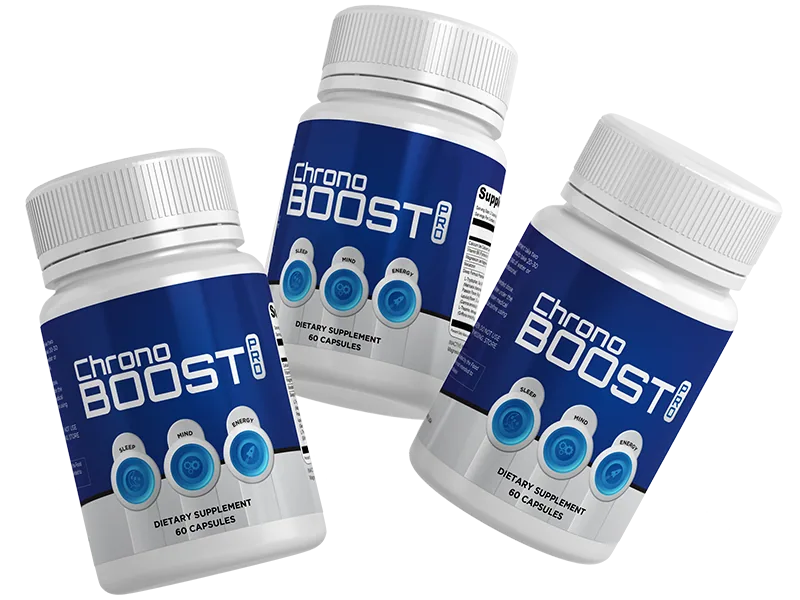
Chronoboost Review: Is Chronoboost Pro Worth It for Sleep and Energy?
A multi-ingredient sleep, mind and energy supplement sold only through the official website, with a 60-day money-back claim and no ingredient amounts disclosed.
Read the review
Neura Review: Does It Really Support Memory and Focus?
Neura review: we break down the four ingredients, price, 90-day refund policy and side effects to help you decide if this brain supplement is worth it.
Read the reviewFrequently Asked Questions About Goji Berry
Does goji berry really work?
Research suggests goji may modestly support fasting glucose and triglycerides in small trials, but the studies are few and varied. Claims about eyes, immunity or longevity rest mostly on lab and animal work. It is not proven to treat any condition.
Is goji berry safe?
Goji is possibly safe in short-term, food-like amounts for most healthy adults. It can interact with warfarin and may affect blood sugar and blood pressure medicines. People who are pregnant, breastfeeding or allergic should avoid it.
How much goji berry is used in studies?
Traditional food use is often described as 6-12 g of dried fruit a day. Extract trials use varying products and amounts, so there is no standard. This is not personal dosing advice.
Can goji berry affect blood thinners?
Yes, there are case reports of raised INR and bleeding in people taking warfarin along with goji tea, juice or wine. If you take warfarin, talk to your prescriber or pharmacist before using goji.
What is the difference between goji and wolfberry?
They are two names for the same fruit from Lycium barbarum and related species. Labels may also say Lycium or LBP, which refers to the polysaccharides in the fruit.
Sources
- A Systematic Review of Potential Therapeutic Use of Lycium Barbarum Polysaccharides in Disease — PubMed
- Lycium (Lycium barbarum) — Memorial Sloan Kettering Cancer Center
- Toxicology Reports (Jan 2015), goji and warfarin case report — DOAJ
- Goji berry (Lycium barbarum) phytochemistry and pharmacology review, Planta Med 2010 — Thieme
Last reviewed: