St. John's Wort Oil: Benefits, Research & Safety
St. John's wort oil is usually a herbal oil made by steeping the flowering tops of Hypericum perforatum in a carrier oil such as olive oil. People use it on the skin for minor skin concerns and in massage blends. Most of the research on the plant is about oral extracts, and research on the oil itself is limited and mostly in animals.
St. John's Wort Oil Ingredient Guide
Also known as: Hypericum perforatum oil, Hypericum oil, St. John's wort infused oil, Red oil, Hypericum perforatum flower oil
- What it is
- St. John's wort oil is typically an infused oil made by soaking the flowers and buds of Hypericum perforatum in a carrier oil, which turns it reddish. Labels may also use it to mean an oil-based extract.
- What it does
- The plant contains compounds such as hypericin, hyperforin and flavonoids. In lab and animal studies these showed antioxidant and anti-inflammatory activity, which is the proposed basis for skin uses. How much of this applies to an infused oil on human skin is not well established.
- How it is used
- It is traditionally applied to the skin, for example on minor wounds, bruises or sore muscles, and is sometimes added to cosmetic or massage products. Oral St. John's wort is a separate product, usually a dry extract in capsules or tablets.
- Natural sources and forms
- It comes from the yellow flowering tops of Hypericum perforatum, infused in olive or another vegetable oil. Unlike oral extracts, infused oils are generally not standardized to a set hypericin or hyperforin content, so strength varies between products.
- Why it appears in formulas
- Makers add it to topical and skin-care products because of its traditional use and its color and herbal appeal. It may be listed in a formula alongside oral St. John's wort ingredients.
- What to know before use
- St. John's wort taken by mouth interacts with many medicines, and it may increase sun sensitivity. Check with a doctor or pharmacist before using any product that contains it, especially if you take prescription drugs.
What the Research Says
Overall: Early evidence
Most of the research on St. John's wort oil specifically comes from animal studies, mainly rats and rabbits, of wound healing and oral tissue healing. Results have been mixed. Some small rat studies reported faster wound healing, and one small excisional wound study found only partial effects and said its conclusions were uncertain because of the small sample size.
A clinical trial on skin recovery after different types of skin damage is registered on ClinicalTrials.gov, but the results I found did not include its outcomes. Reviews have noted that well-controlled human trials of the oil are still needed.
The much larger body of human research is on oral St. John's wort extracts, mainly for depression. That research cannot be applied to the oil. NCCIH notes that an NCCIH-funded trial found the herb no better than placebo for moderately severe major depression, and results across studies have been mixed.
Overall, claims that the oil helps skin heal are best read as early and based on animal studies and traditional use, not proven in people.
| Studied for | What the research says | Evidence |
|---|---|---|
| Wound healing (animal studies) | Several small rat and rabbit studies reported faster or partial wound and tissue healing with the oil, though one study said its small size made the conclusion uncertain. Results are mixed and may not carry over to people. | Early evidence |
| Skin recovery in humans | A human study of the oil on skin damage models is registered on ClinicalTrials.gov, but I did not find published outcomes. Controlled human trials have been called for in reviews. | Early evidence |
| Antioxidant activity | Animal and lab work suggests antioxidant effects in tissue, for example in rabbit oral tissue. This does not show a health benefit in people. | Early evidence |
| Mood (oral extract, not the oil) | Oral St. John's wort extract has been studied for depression with mixed results, including an NCCIH-funded trial that found no benefit over placebo in moderate major depression. This does not apply to topical oil. | Limited evidence |
Did you know? Why the oil turns red
Fresh St. John's wort flowers release red pigments, including hypericin, into the carrier oil as it steeps, so the finished oil is often deep red even though the flowers are yellow. The same hypericin is the compound linked to the herb's sun sensitivity.
Amounts Used in Studies
These are amounts researchers used, not dosing advice. Ask your doctor or pharmacist what is right for you.
| Form | Amount | Study context |
|---|---|---|
| Topical St. John's wort oil (infused in olive oil) | Applied to the wound area, amounts varied by study | Mostly small animal studies of wound healing. No established human amount. |
| Oral dry extract (for comparison, not the oil) | Often about 900 mg/day of extract in studies | Depression trials of oral extract, usually standardized to hypericin or hyperforin. Not applicable to the oil. |
Safety, Side Effects and Interactions
Safety data for the oil on skin is limited. Reported side effects of St. John's wort in general include upset stomach, dry mouth, headache, fatigue, dizziness, confusion, sexual dysfunction and sensitivity to sunlight. Hypericin is a photosensitizing compound, so skin treated with the oil, particularly in fair-skinned people, may burn more easily in sun or tanning beds. Reference sources suggest that photosensitivity in people usually occurs at high oral amounts, but it is sensible to cover treated skin and use sunscreen. Skin irritation or allergic reactions are possible with any herbal oil, so a small patch test is reasonable. Do not apply it to deep or infected wounds without medical advice. Do not swallow topical oils. Little is known about safety in pregnancy, breastfeeding and children. Mayo Clinic advises avoiding oral St. John's wort during pregnancy and breastfeeding.
Possible interactions
- Oral St. John's wort speeds the breakdown of many drugs, which can make them less effective.
- Interactions listed by Mayo Clinic include warfarin, digoxin, alprazolam, simvastatin, methadone and some HIV protease inhibitors.
- It may be unsafe with antidepressants such as SSRIs because of a risk of serotonin-related side effects.
- It may reduce the effectiveness of hormonal birth control and organ-transplant medicines.
- It may add to sun sensitivity from other photosensitizing drugs, such as aminolevulinic acid or porfimer.
- How much a topical oil is absorbed into the body is not well established, so ask a pharmacist if you take any prescription drug.
Avoid it or ask a doctor first if
- Taking prescription medicines, especially antidepressants, blood thinners, HIV drugs, birth control or transplant drugs, without a pharmacist's advice
- Pregnant or breastfeeding
- Giving it to children without medical advice
- Very fair skin or planning heavy sun or tanning-bed exposure on treated skin
- Planning to use it on deep, infected or severe wounds
- Known allergy to St. John's wort or plants in the same family
Supplements We've Reviewed That Contain St. John's Wort Oil
Each review checks the full formula, price, refund policy and side effects.
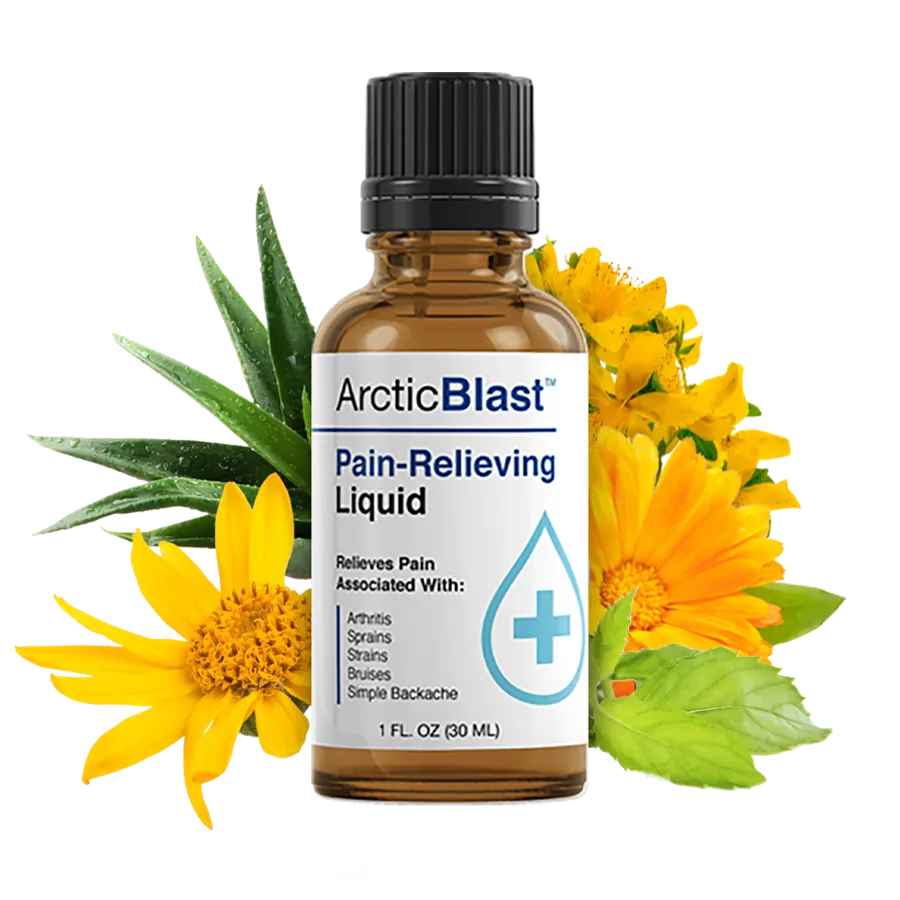
ArcticBlast Review: Does This Cooling Liquid Really Work?
A menthol-based topical cooling liquid marketed for temporary relief of occasional aches, sold through the official website.
Read the reviewFrequently Asked Questions About St. John's Wort Oil
Does St. John's Wort Oil really work?
The evidence is early. Small animal studies suggest possible effects on wound healing, but good human trials of the oil are lacking. Traditional use is not proof that it works.
Is St. John's Wort Oil safe?
Applied to the skin in small amounts it is generally considered low risk, but safety data are limited. It can increase sun sensitivity and cause skin irritation. Oral St. John's wort has many serious drug interactions, so ask a pharmacist before using it if you take medicines.
Is St. John's wort oil the same as St. John's wort capsules?
No. The oil is usually an infused oil used on skin. Capsules contain a dry extract, often standardized, which is what most human research (for example on mood) has tested.
Can St. John's wort oil make you sunburn more easily?
It might. Hypericin can make skin more sensitive to light, particularly in fair-skinned people. Cover treated skin and use sunscreen, and avoid tanning beds.
Can I take St. John's wort oil by mouth?
Topical oils are not designed to be swallowed, and oral use of St. John's wort carries the herb's interaction risks. Talk with a healthcare professional before using any form by mouth.
Sources
- St. John's wort — Mayo Clinic
- St. John's Wort and Depression: In Depth — NCCIH
- Effects of Hypericum Perforatum Oil on Promoting Skin Recovery in Different Human Skin Damage Models — ClinicalTrials.gov
- Partial healing effects of St. John's wort oil on the rat excisional wound model — Acibadem University
- St. John's Wort — MedlinePlus (archived copy)
Last reviewed: