Soy Lecithin: Benefits, Research & Safety
Soy lecithin is a fatty substance taken from soybeans. It is a common food additive and supplement ingredient, and it contains phospholipids such as phosphatidylcholine. People take it for cholesterol, as a source of choline, and for general wellness. The human research is limited and mixed.
Soy Lecithin Ingredient Guide
Also known as: lecithin, soya lecithin, phosphatidylcholine (main component), E322
- What it is
- Soy lecithin is a mixture of phospholipids, mainly phosphatidylcholine, plus other fats. It is a by-product of refining soybean oil.
- What it does
- Phospholipids help oil and water mix, which is why lecithin works as an emulsifier. In the body, phosphatidylcholine supplies choline, which cells use to build membranes and make the neurotransmitter acetylcholine.
- How it is used
- It is sold as softgels, granules and powders, and it is added to foods and supplements. People use it for cholesterol and as a choline source.
- Natural sources and forms
- Lecithin also comes from sunflower seeds and egg yolk. Supplement products vary in how much phosphatidylcholine they contain, so the label matters.
- Why it appears in formulas
- Makers add it as an emulsifier and to help blend oils and powders. It also acts as a carrier that helps fat-soluble ingredients mix and flow.
- What to know before use
- People with a soy allergy should talk with an allergist first, because trace soy proteins can remain in lecithin. Check with a doctor if you take medicines or have a heart condition.
What the Research Says
Overall: Limited evidence
Human research on soy lecithin is limited, and the results are mixed. Most supplement studies are small, short, or older, and many used differing products, so it is hard to compare them.
For cholesterol, one small placebo-controlled trial reported large drops in total and LDL cholesterol. Another small trial using 20 grams a day for four weeks found no change. Reviews note that early positive reports came from low-quality studies, and that later trials showed modest results. WebMD says it is not clear whether lecithin lowers cholesterol.
There is also interest in phosphatidylcholine for memory and liver health, but the evidence is early and inconsistent.
Much of the research tests purified phosphatidylcholine or choline rather than the soy lecithin found in foods. Results from those products may not apply to every lecithin supplement. Larger, well-designed trials are needed before firm conclusions can be drawn.
| Studied for | What the research says | Evidence |
|---|---|---|
| Cholesterol | Small trials gave conflicting results. One reported large LDL drops and another found no effect. Reviews call the overall evidence weak and inconsistent. | Limited evidence |
| Choline supply | Lecithin contains phosphatidylcholine, which the body can use as a source of choline. The amount varies a lot by product. | Moderate evidence |
| Memory and thinking | Studies of lecithin or phosphatidylcholine for memory have been small and have not shown a clear benefit. | Early evidence |
| Use as a food emulsifier | Lecithin is widely used in foods as an additive and is generally regarded as low risk at food amounts. | Strong evidence |
Did you know? Why your chocolate bar may list it
Lecithin is a common emulsifier in chocolate, margarine and baked goods. It helps oil and water-based ingredients stay blended. The word comes from the Greek for egg yolk, where lecithin was first identified.
Amounts Used in Studies
These are amounts researchers used, not dosing advice. Ask your doctor or pharmacist what is right for you.
| Form | Amount | Study context |
|---|---|---|
| Soy lecithin supplement | About 500 mg/day | A small two-month cholesterol trial of about 30 people |
| Lecithin granules | 20 g/day | A four-week trial in about 20 men that found no change in cholesterol |
Safety, Side Effects and Interactions
Soy lecithin is generally considered low risk at the amounts found in food. The FDA has not reviewed lecithin supplements for safety and effectiveness.
Reported side effects are usually mild. They include stomach pain, nausea, diarrhea or loose stools, and extra saliva. Large amounts of choline, around 9 grams a day, have been linked to depression in some reports.
Soy allergy is the main concern. Soy lecithin comes from highly processed soy oil and has very little soy protein (about 100 to 500 ppm), and the AAAAI says most allergists do not advise soy-allergic patients to avoid it. Trace soy allergens do remain, though, so highly sensitive people may still react and often are advised to avoid it. Sunflower lecithin is an option some people use instead.
There is little reliable safety data for long-term, high-dose use. Pregnant or breastfeeding people should ask a clinician before taking supplements.
Possible interactions
- Lecithin may add to the effects of cholesterol medicines, so ask your prescriber if you take one.
- Choline-containing products may add to the effects of medicines that act on acetylcholine, such as drugs for Alzheimer's disease or myasthenia gravis.
- Combining it with other choline supplements raises the total choline intake.
Avoid it or ask a doctor first if
- Soy allergy, unless an allergist has said it is fine
- Pregnant or breastfeeding, unless a clinician agrees
- History of depression, if taking large choline amounts
- Taking prescription medicines, until you have asked a pharmacist or doctor
Supplements We've Reviewed That Contain Soy Lecithin
Each review checks the full formula, price, refund policy and side effects.
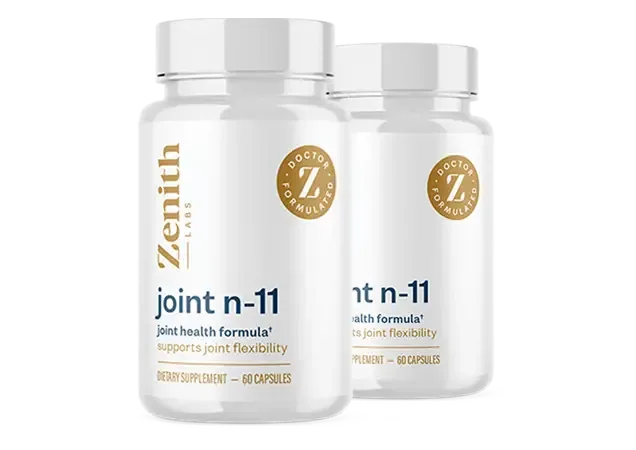
Joint N-11 Review: Does It Really Support Joint Comfort?
Joint N-11® is a multi-ingredient joint supplement from Zenith Labs, sold through the official website with a stated 180-day money-back guarantee. Independent evidence for the blend is thin.
Read the reviewFrequently Asked Questions About Soy Lecithin
Does Soy Lecithin really work?
The evidence is limited. Small studies on cholesterol gave mixed results, and reviews call the research weak. It works well as a food emulsifier, but benefits as a supplement are not firmly established.
Is Soy Lecithin safe?
It is generally considered low risk at food amounts, and side effects are usually mild stomach upset. People with soy allergies, pregnant or breastfeeding people, and those on medicines should ask a professional first.
Can people with a soy allergy take soy lecithin?
It contains only trace soy protein, and many allergists do not advise avoiding it. Still, highly sensitive people may react, so talk with an allergist. Sunflower lecithin is an alternative.
What is the difference between lecithin and choline?
Lecithin is a mix of fats that includes phosphatidylcholine. The body can use phosphatidylcholine as a source of choline, an essential nutrient. Lecithin is not pure choline, and its content varies by product.
What are the side effects of soy lecithin?
Reported effects are usually mild and include stomach pain, nausea, loose stools and extra saliva. Very large choline intakes have been linked to depression in some reports.
Sources
- Lecithin/Phosphatidyl Choline — University of Michigan Health
- Lecithin — WebMD
- Soy allergy and soy lecithin — AAAAI
- Soy lecithin — Food Allergy Research and Resource Program, University of Nebraska
- Lecithins: Therapeutic Uses — EBSCO Research Starters
- Is soy lecithin good or bad for me — Healthline
Last reviewed: