Skullcap: Benefits, Research & Safety
Skullcap usually means American skullcap (Scutellaria lateriflora), a flowering herb in the mint family. People take it in teas, tinctures and capsules, mainly hoping to feel calmer and sleep better. The human research is very thin, and there are quality concerns with some products.
Skullcap Ingredient Guide
Also known as: American skullcap, Scutellaria lateriflora, Blue skullcap, Mad-dog skullcap, Scullcap
- What it is
- Skullcap is a North American perennial herb in the mint family. The above-ground parts are dried or extracted for supplements. Do not confuse it with Chinese skullcap (Scutellaria baicalensis, also called Huang Qin), which is a different species.
- What it does
- Skullcap contains flavonoids such as baicalin, scutellarin and wogonin. In lab and animal studies, these compounds interacted with GABA-type receptors, which are involved in calming signals in the brain. How this applies to people is not established.
- How it is used
- It is taken as a tea, liquid tincture, capsule or freeze-dried herb, usually for relaxation, stress or occasional sleeplessness. It is often one ingredient in multi-herb calming blends.
- Natural sources and forms
- Products use the dried leaves and stems, either whole, freeze-dried, or as alcohol-water extracts. There is no widely accepted standardization, so strength varies a lot between products.
- Why it appears in formulas
- Makers add it to relaxation, stress and sleep-support blends because of its traditional use as a calming herb. It often sits alongside herbs such as valerian, passionflower and lemon balm.
- What to know before use
- Skullcap products have been found adulterated with germander, an herb linked to liver injury, and skullcap itself has been tied to rare liver cases. Talk with a doctor or pharmacist first, especially if you have liver disease or take other medicines.
What the Research Says
Overall: Early evidence
The human research on skullcap is very limited. The best-known study is a small randomized, double-blind, placebo-controlled crossover trial in healthy volunteers. It used freeze-dried American skullcap and was published in 2014 in Phytotherapy Research.
In that trial, overall mood disturbance scores fell with skullcap but not placebo. The result for anxiety alone was not significantly different from placebo. Most participants did not have high anxiety to begin with, the trial was short, and carryover between the two periods may have affected the results.
I found no large, high-quality trials of skullcap in people with anxiety disorders, depression or sleep problems. Most other support comes from traditional use, test-tube work and animal studies. These cannot show that it works in people.
Chinese skullcap (Scutellaria baicalensis) has more lab research, but that is a different plant and should not be treated as evidence for American skullcap.
Overall, skullcap is an herb with an interesting early signal and a lot of unanswered questions.
| Studied for | What the research says | Evidence |
|---|---|---|
| Mood in healthy adults | One small crossover trial found overall mood scores improved with skullcap but not placebo, without a clear drop in energy or thinking. It has not been confirmed in larger studies. | Early evidence |
| Anxiety | The same trial found no statistically significant anxiety-specific difference versus placebo. Trials in people with diagnosed anxiety are lacking. | Early evidence |
| Sleep | Skullcap is traditionally used for sleep, but I found no good human trials testing it for sleep on its own. | Early evidence |
| Mechanism (lab and animal work) | Flavonoids from skullcap affected GABA-related activity in lab and animal studies. This does not show the same effect in people. | Early evidence |
Did you know? The germander mix-up
In the 1990s, liver injury cases linked to skullcap products led investigators to find that some products contained germander instead of, or mixed with, skullcap. A 2012 industry report said germander was still turning up in some skullcap supplements. This is one reason product quality matters so much with this herb.
Amounts Used in Studies
These are amounts researchers used, not dosing advice. Ask your doctor or pharmacist what is right for you.
| Form | Amount | Study context |
|---|---|---|
| Freeze-dried American skullcap capsules | 350 mg three times daily | A small crossover trial in healthy adults over several days per period, with a washout between periods |
Safety, Side Effects and Interactions
Safety data for skullcap are limited. Short-term use in the one human trial did not show serious problems, and the researchers saw no worsening of depression. Reported side effects with herbal calming products generally include drowsiness, dizziness and stomach upset, though skullcap-specific data are sparse.
The main concern is the liver. LiverTox rates skullcap as category B, a very likely but rare cause of clinically apparent liver injury, and notes at least one case of acute liver failure. In most reports, people were taking several herbs, and some products were found to contain germander (Teucrium species), a known liver-toxic herb, or were mislabeled. So it is unclear how much skullcap itself was responsible.
Because of adulteration and variable quality, the product you buy matters. Safety has not been established in pregnancy, breastfeeding, young children or people with severe liver or kidney disease. The FDA does not review supplements for safety and effectiveness before sale.
Possible interactions
- May add to the drowsiness caused by sedatives, sleep medicines, benzodiazepines and alcohol.
- Other calming herbs such as valerian, kava or passionflower may add to sedation, and kava also carries liver concerns.
- Medicines or supplements that can affect the liver may add to risk, so check with a pharmacist.
- Possible effects on how the liver processes some medicines have not been well studied, so ask a pharmacist if you take prescription drugs.
- Stop use and tell your surgical team before planned surgery, because of possible added sedation with anesthesia.
Avoid it or ask a doctor first if
- Liver disease or abnormal liver tests
- Pregnant or breastfeeding
- Children
- Taking sedatives or sleep medicines
- Taking other liver-stressing herbs or drugs
- Planning surgery soon
- Symptoms of liver trouble such as yellow skin or eyes, dark urine or severe fatigue (stop and seek care)
Supplements We've Reviewed That Contain Skullcap
Each review checks the full formula, price, refund policy and side effects.
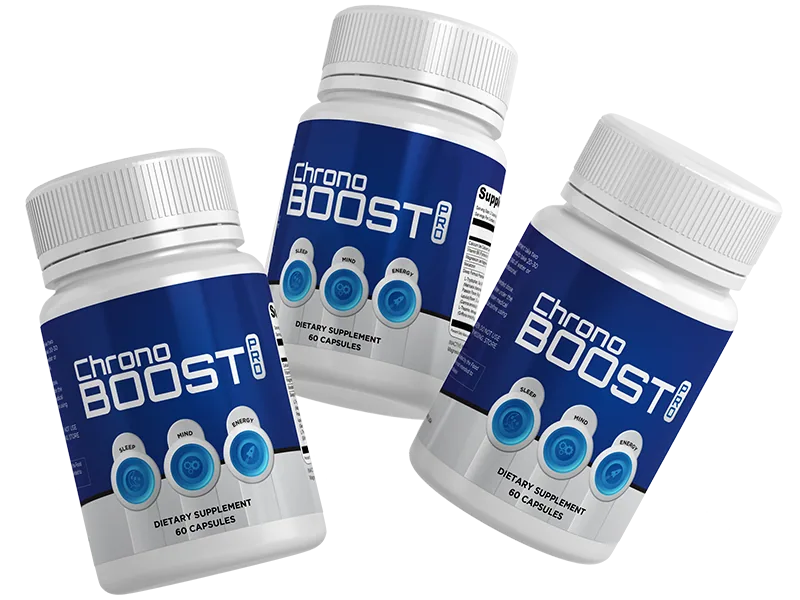
Chronoboost Review: Is Chronoboost Pro Worth It for Sleep and Energy?
A multi-ingredient sleep, mind and energy supplement sold only through the official website, with a 60-day money-back claim and no ingredient amounts disclosed.
Read the reviewFrequently Asked Questions About Skullcap
Does skullcap really work?
The evidence is early. One small trial in healthy adults found mood scores improved with skullcap versus placebo, but the anxiety-specific result was not significant. Larger trials in people with anxiety or sleep problems are needed.
Is skullcap safe?
Short-term use appeared well tolerated in a small trial, but long-term safety is unknown. Rare liver injury has been reported, though many cases involved multi-herb products or germander contamination. Check with a healthcare provider first.
Is American skullcap the same as Chinese skullcap?
No. American skullcap is Scutellaria lateriflora, while Chinese skullcap (Huang Qin) is Scutellaria baicalensis. They differ in chemistry and traditional uses, and research on one does not apply to the other.
Can skullcap make me drowsy?
It is traditionally used as a calming herb and may cause drowsiness in some people, especially combined with sedatives or alcohol. Take care before driving until you know how it affects you.
Why is germander a concern in skullcap products?
Germander (Teucrium species) has been linked to liver injury and is banned as a herbal medicine in some countries. It has been found in some products labeled as skullcap, so buying from a maker with identity testing is important.
Sources
- Skullcap — LiverTox, NCBI Bookshelf
- American skullcap (Scutellaria lateriflora): a randomized, double-blind placebo-controlled crossover study of its effects on mood in healthy volunteers — PubMed
- American skullcap (Scutellaria lateriflora): a study of its effects on mood in healthy volunteers — ISRCTN registry
- ABC: Why is skullcap still being adulterated with germander? — NutraIngredients-USA
- Skullcap — WebMD
Last reviewed: