Rosemary Leaf: Benefits, Research & Safety
Rosemary leaf comes from Rosmarinus officinalis, a woody Mediterranean herb used in cooking and traditional herbal practice. People take it as a powder, extract or tea. They usually want to support memory, digestion or antioxidant intake. Most of the research is early, and much of it was done in animals or test tubes.
Rosemary Leaf Ingredient Guide
Also known as: Rosmarinus officinalis, Rosemary, Rosemary extract, Rosmarini folium
- What it is
- Rosemary leaf is the dried or fresh leaf of Rosmarinus officinalis, an evergreen shrub in the mint family. It contains plant compounds such as rosmarinic acid, carnosic acid and carnosol, along with a volatile oil.
- What it does
- Lab studies suggest its polyphenols have antioxidant and anti-inflammatory activity. How this works in people is not well established.
- How it is used
- It is used as a food seasoning, as a tea, and in capsules or extracts. The essential oil is mainly used on the skin or for aromatherapy, not swallowed.
- Natural sources and forms
- Forms include dried leaf powder, teas, liquid extracts and standardized extracts. Some extracts are standardized to carnosic acid or rosmarinic acid, and the amounts differ widely between products.
- Why it appears in formulas
- Makers add it for its traditional reputation, its antioxidant polyphenols and its place in cognitive, digestive and general wellness blends. It is also used as a natural antioxidant to protect other ingredients.
- What to know before use
- Amounts above normal food use have not been established as safe, so talk with a clinician first if you are pregnant, take blood thinners or have a seizure disorder. Do not swallow the essential oil.
What the Research Says
Overall: Limited evidence
Human research on rosemary leaf is small and early. The best-known human study is a short crossover trial in 28 older adults. It found that a low amount of dried leaf powder (750 mg) had a statistically significant beneficial effect on a memory measure compared with placebo. The highest amount tested (6,000 mg) had a significant impairing effect. Because that was a single-dose, short-term study, it can't show long-term benefit.
A 2022 systematic review and meta-analysis of animal studies found improved cognitive outcomes with rosemary. The studies varied a lot from one to another, and animal results do not reliably carry over to people.
Reviews of the research note limited clinical data for recommending rosemary for any health purpose. Many studies use different plant parts, extracts and amounts, which makes them hard to compare. Larger, longer and better-standardized trials are needed before firm conclusions can be drawn.
| Studied for | What the research says | Evidence |
|---|---|---|
| Memory and thinking | One small crossover trial in older adults found a possible benefit at a low amount and impairment at a high amount. Animal studies are more positive, but human evidence is thin. | Early evidence |
| Antioxidant activity | Lab and animal studies show that rosemary polyphenols have antioxidant effects. Whether this leads to health benefits in people is unclear. | Early evidence |
| Digestive comfort | Rosemary is traditionally used for digestion. Good human trials are scarce, and the evidence is not enough to draw conclusions. | Limited evidence |
| Safety as a food | Rosemary is considered safe in normal food amounts. Safety at supplement amounts is less well studied. | Moderate evidence |
Did you know? A kitchen herb with a long memory reputation
Rosemary has been linked to remembrance since ancient times, and students in ancient Greece were said to wear it while studying. Modern research has not confirmed this, and the human evidence is limited to a few small studies.
Amounts Used in Studies
These are amounts researchers used, not dosing advice. Ask your doctor or pharmacist what is right for you.
| Form | Amount | Study context |
|---|---|---|
| Dried leaf powder | 750 mg single dose (lowest of several amounts tested) | Crossover trial in 28 older adults, average age 75; 6,000 mg had an impairing effect |
Safety, Side Effects and Interactions
Rosemary is generally regarded as safe in the amounts used in cooking. Above food amounts, safety is not well established. Reported concerns include stomach upset and allergic reactions, including skin reactions on contact. In the one human study, a very high single amount of leaf powder was linked to worse performance on a cognitive measure.
The essential oil is much more concentrated and contains camphor. It should not be swallowed, because it can be toxic, and the safe amount is not known. Rosemary is also listed as having convulsant properties in some references, although case reports of seizures are lacking.
Pregnant and breastfeeding women are advised to avoid supplement amounts. Higher amounts may affect the uterus and could cause miscarriage. A 2024 comprehensive review of rosemary toxicity says more safety research is needed. Stop use and seek care if you have an allergic reaction or unusual symptoms.
Possible interactions
- May add to the effects of blood thinners such as warfarin, so bleeding risk could rise.
- May interact with seizure medicines, since the oil contains camphor.
- Could affect blood pressure medicines or diuretics, according to some references.
- May change blood sugar, so use caution with diabetes medicines.
- May affect how the body handles iron, so people on iron therapy should check with a clinician.
- May interact with ACE inhibitors or lithium, according to some references. Ask a pharmacist.
Avoid it or ask a doctor first if
- Pregnant or breastfeeding (supplement amounts)
- Seizure disorder or epilepsy
- Taking blood thinners or having a bleeding disorder
- Allergic to rosemary or other mint-family plants
- Planning surgery soon
- Taking prescription medicines, unless you have asked a clinician or pharmacist
Supplements We've Reviewed That Contain Rosemary Leaf
Each review checks the full formula, price, refund policy and side effects.
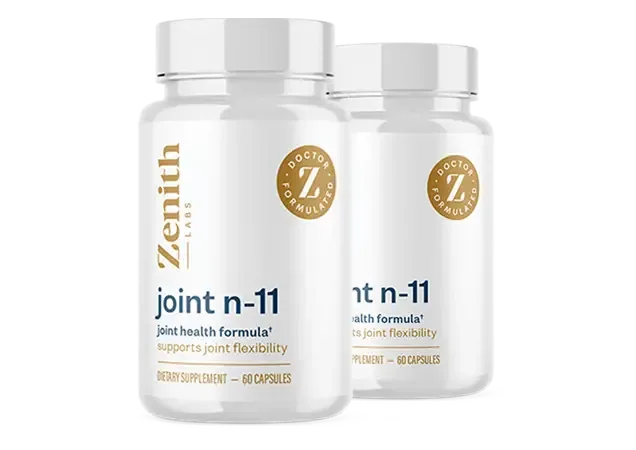
Joint N-11 Review: Does It Really Support Joint Comfort?
Joint N-11® is a multi-ingredient joint supplement from Zenith Labs, sold through the official website with a stated 180-day money-back guarantee. Independent evidence for the blend is thin.
Read the reviewFrequently Asked Questions About Rosemary Leaf
Does rosemary leaf really work?
The evidence is limited. A small trial in older adults suggested a possible memory effect at a low amount, but it was short and high amounts did worse. Animal and lab results are more positive, but they do not prove the same benefit in people.
Is rosemary leaf safe?
It is considered safe in normal food amounts. Supplement amounts are less well studied, and pregnant women, people with seizure disorders and people taking blood thinners should ask a clinician first. The essential oil should not be swallowed.
Can I just use rosemary in cooking?
Yes, culinary use is generally considered safe. The amounts in food are much smaller than those in concentrated extracts or capsules, and food use does not guarantee any specific health effect.
What is the difference between rosemary leaf and rosemary oil?
Leaf products use the whole leaf or an extract of it. The essential oil is a concentrated volatile oil that is mainly meant for aromatherapy or the skin, and it can be toxic if swallowed.
What are the active compounds in rosemary?
Researchers often point to rosmarinic acid, carnosic acid and carnosol, which show antioxidant activity in lab studies. It is not clear which compounds, if any, matter most in people.
Sources
- Short-term study on the effects of rosemary on cognitive function in an elderly population — PubMed
- Cognition enhancing effect of rosemary in lab animal studies: a systematic review and meta-analysis — PubMed Central
- Toxicity and safety of rosemary (Rosmarinus officinalis): a comprehensive review — PubMed
- An evidence-based systematic review of rosemary by the Natural Standard Research Collaboration — PubMed
- Rosemary — Drugs.com
Last reviewed: