Rose Hips: Benefits, Research & Safety
Rose hips are the round, red-orange fruit left on rose plants after the petals fall. They are a traditional food and tea ingredient and are rich in vitamin C and plant compounds. People take them mainly for joint comfort and general antioxidant support, though the human research is small.
Rose Hips Ingredient Guide
Also known as: rose hip, rosehip, Rosa canina, dog rose hip, rose haw
- What it is
- Rose hips are the fleshy fruit of wild rose plants, most often Rosa canina (dog rose). They are eaten in teas, jams and syrups and sold as powders, capsules and extracts.
- What it does
- They contain vitamin C, carotenoids, polyphenols and a galactolipid called GOPO. Lab and small human studies suggest these may have anti-inflammatory and antioxidant activity, but the exact mechanisms in people are not settled.
- How it is used
- People take rose hips as capsules, powder stirred into drinks, teas or syrups, mostly for joint comfort or as a vitamin C source. Studies in joint discomfort have usually used powder or standardized extracts for several weeks.
- Natural sources and forms
- Rose hips come from Rosa canina and related species. Supplements use whole-fruit powder (often with seeds and shells) or extracts, and some products are standardized to GOPO or to vitamin C. Vitamin C content varies widely and drops with heat and storage.
- Why it appears in formulas
- Makers add rose hips as a natural vitamin C source and as a joint-support or antioxidant ingredient. They often appear alongside glucosamine, collagen or turmeric.
- What to know before use
- Rose hips contain vitamin C and may interact with some medicines, such as lithium, aspirin-type drugs and estrogen. Talk to a doctor or pharmacist first if you take prescription drugs, are pregnant or have a medical condition.
What the Research Says
Overall: Limited evidence
The human research on rose hips is limited. Most of it looks at osteoarthritis symptoms, and it comes from a small number of short trials, often in Scandinavia, many of them using one patented powder containing GOPO.
A review in Australian Family Physician describes one trial of about 100 people with hip or knee osteoarthritis. They took 2.5 g of rose hip powder or placebo twice daily for 4 weeks. It also describes a crossover study of 112 people with osteoarthritis at several joints, using about 5 g per day. These trials reported reduced pain in some participants. Another trial of 94 people was reported to show reduced pain after three weeks, but I only saw that figure on commercial and trade sites, so treat it with caution.
Several limits apply. The trials were small and short. Many were funded or supported by the maker of the powder. Results from one branded product may not apply to other products. I did not find a large independent trial or a high-quality meta-analysis confirming the findings. Claims about other areas, such as skin, immunity, weight or blood sugar, rest mostly on lab, animal or very small studies and are early at best.
| Studied for | What the research says | Evidence |
|---|---|---|
| Osteoarthritis joint pain | A few small, short, placebo-controlled trials of rose hip powder (including GOPO-containing products) reported lower self-rated pain in some people with osteoarthritis. Many of the trials were industry-linked, and larger independent trials are lacking. | Limited evidence |
| Vitamin C source | Rose hips are naturally rich in vitamin C, but the amount varies by species, processing and storage. Whether the vitamin C in rose hips is absorbed any differently from other forms has not been well established. | Limited evidence |
| Inflammation markers | Lab and animal studies, and a few small human studies, suggest rose hip compounds may affect inflammation markers. How much this matters for health in people is unclear. | Early evidence |
| Metabolic health and body weight | Some small studies of rose hip extracts looked at blood sugar, cholesterol and body fat. The results are preliminary and not enough to draw conclusions. | Early evidence |
Did you know? A wartime vitamin C source
During World War II, rose hips were collected in Britain and made into syrup as a home-grown vitamin C source when citrus fruit was scarce. The vitamin C content of rose hips can vary a lot depending on the species, ripeness and how they are processed.
Amounts Used in Studies
These are amounts researchers used, not dosing advice. Ask your doctor or pharmacist what is right for you.
| Form | Amount | Study context |
|---|---|---|
| Rose hip powder (including seeds and shells) | About 5 g/day (for example 2.5 g twice daily) | Trials of around 3 to 4 weeks, or longer in some, in adults with osteoarthritis |
| Rose hip tea or food use | Varies; amounts are not well standardized | Traditional use; there is little clinical research on specific tea amounts |
Safety, Side Effects and Interactions
Rose hips are eaten as food and are generally considered likely safe for most adults in the amounts used in studies. Side effects reported in drug-information databases are usually mild and mostly digestive: nausea, heartburn, stomach cramps, diarrhea or constipation. Headache and trouble sleeping have also been reported.
Handling or inhaling rose hip dust or fine hairs from the seeds can cause irritation or allergic reactions in some people. Contact dermatitis and eye irritation have been reported. People with allergies to plants in the rose family should be careful.
Because rose hips contain vitamin C, very high amounts could add to total vitamin C intake. In adults, the upper limit for vitamin C is 2,000 mg per day, and higher intakes can cause stomach upset and diarrhea. People prone to kidney stones should be cautious with high vitamin C intake.
Safety data for pregnancy, breastfeeding and children are lacking. Long-term safety studies are also lacking, since most trials lasted only weeks. Supplement quality varies, so check labels and choose products tested by an independent lab.
Possible interactions
- Lithium: rose hips may reduce how quickly the body clears lithium, which could raise lithium levels.
- Aspirin and salsalate: the vitamin C in rose hips may change how these drugs are cleared from the body.
- Estrogen-containing medicines: vitamin C may increase estrogen absorption, which could strengthen its effects.
- Blood thinners and clotting: one source suggests rose hips may slow clotting, so talk to a doctor if you take anticoagulants or antiplatelet drugs.
- Digoxin blood tests: rose hip tea has been reported to cause false-positive results in one digoxin assay method.
- Interaction evidence is limited and inconsistent, so check with a pharmacist if you take any prescription medicine.
Avoid it or ask a doctor first if
- Pregnant or breastfeeding (not enough safety data)
- Taking lithium
- Taking aspirin-type drugs, estrogen or blood thinners without medical advice
- Allergic to roses or other plants in the rose family
- Prone to kidney stones or on a vitamin C-restricted plan
- Scheduled for surgery in the next two weeks (ask your doctor)
Supplements We've Reviewed That Contain Rose Hips
Each review checks the full formula, price, refund policy and side effects.
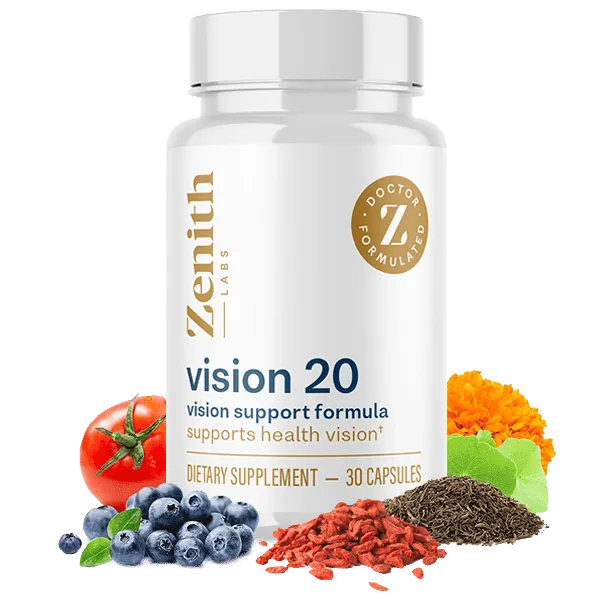
Vision 20 Review: Does This Eye Health Supplement Really Work?
A 10-ingredient carotenoid and zinc capsule sold through the official website, marketed for near- and far-distance vision, low-light vision and age-related vision decline.
Read the reviewFrequently Asked Questions About Rose Hips
Does rose hips really work?
Research suggests rose hip powder may modestly ease pain in some people with osteoarthritis, but the trials are small, short and often industry-linked. Evidence for other uses is early. It is not a substitute for medical care.
Is rose hips safe?
Rose hips are generally well tolerated in food and in the amounts used in short studies. Mild digestive upset is the most common side effect. They may interact with lithium, aspirin-type drugs and estrogen, so ask a healthcare professional first if you take medicines or are pregnant.
How much vitamin C is in rose hips?
Fresh rose hips are among the richer plant sources of vitamin C, but the amount varies widely by species and processing. Heat, drying and storage reduce it. Supplement labels may not state the vitamin C content, so check the label.
How long do rose hips take to work in studies?
Trials in osteoarthritis generally lasted from about three weeks to a few months. Some participants reported changes in pain within that time, but responses varied and many people did not notice a difference.
Is rose hip tea the same as a rose hip supplement?
Not exactly. Tea gives a smaller and less predictable amount of the fruit's compounds, and vitamin C is reduced by hot water. Studies of joint comfort mostly used powder or extracts, not tea.
Sources
- Rosehip — Australian Family Physician (RACGP)
- Rose hips — Drugs.com natural products database
- Rose hip — Natural Medicines monograph summary (vital.ly)
- Rosehip — Versus Arthritis (arthritis-uk.org)
- Rose hips — RxList
Last reviewed: