Pomella: Benefits, Research & Safety
Pomella is a trademarked pomegranate fruit extract. It is standardized to contain a set percentage of punicalagins, which are polyphenols found in pomegranate. People take it for general antioxidant support and for gut and heart health. The research on this specific extract is still small.
Pomella Ingredient Guide
Also known as: pomella, Pomella pomegranate extract, pomegranate whole fruit extract, Punica granatum extract, punicalagin extract
- What it is
- Pomella is a brand name for a pomegranate (Punica granatum) fruit extract. It is standardized to about 30% punicalagins.
- What it does
- Punicalagins are large polyphenols. Gut bacteria break them down into smaller compounds called urolithins, which are being studied for antioxidant and other effects. Most of this work is early, and some of it comes from lab and animal studies.
- How it is used
- It is taken as a capsule or added to multi-ingredient formulas, usually once or twice a day. It is marketed for antioxidant, heart and gut-health support.
- Natural sources and forms
- The extract is made from pomegranate fruit and is sold as a powder, usually in capsules. The standardization (for example 30% punicalagins) is what separates it from plain pomegranate powder or juice. Punicalagin content varies between products.
- Why it appears in formulas
- Makers add it as a polyphenol source with a stated punicalagin level. It also lets them use a branded ingredient that has some published human research behind it.
- What to know before use
- Pomegranate products may interact with some medicines, including blood pressure drugs and warfarin. Talk to a doctor or pharmacist first if you take prescription medicines.
What the Research Says
Overall: Early evidence
Human research on Pomella itself is limited. The studies I found were small pilot or short-term trials.
One 4-week, double-blind, placebo-controlled pilot trial gave a pomegranate whole fruit extract providing 75 mg punicalagin per 250 mg dose. It had about 14 people per group and looked at gut bacteria and short-chain fatty acids. The authors said larger and longer studies are needed. The difference in urolithin production between groups was not statistically significant.
A single-dose crossover study in 10 healthy adults tested 250 mg and 1,000 mg of Pomella standardized to 30% punicalagins. It looked at how the body absorbs and processes the compounds. It was reported to be supported by the supplier, so the funder had a financial interest.
Retailers sometimes say Pomella is backed by dozens of clinical trials. I could not verify that. Other pomegranate extracts and juice have been studied, for example for blood pressure, but those results should not be assumed to apply to Pomella. Overall, the evidence supports saying Pomella is well tolerated in short studies and is a source of punicalagins. It does not show that Pomella improves any health outcome.
| Studied for | What the research says | Evidence |
|---|---|---|
| Gut microbiome | A small 4-week placebo-controlled pilot trial looked at gut bacteria and short-chain fatty acids after a pomegranate extract. The urolithin difference was not statistically significant, and the authors called for larger studies. | Early evidence |
| Absorption and metabolism | A small single-dose crossover study in healthy adults tracked how punicalagin-derived compounds appear in the body. It shows what the body does with the extract. It does not show a health benefit. | Early evidence |
| Blood pressure and heart health | Other pomegranate products, such as juice and different branded extracts, have been studied for blood pressure with mixed results. These findings have not been shown for Pomella specifically. | Limited evidence |
| Antioxidant activity | Punicalagins show antioxidant activity in lab studies. Test-tube results do not reliably predict effects in people. | Early evidence |
Did you know? Gut bacteria do much of the work
Punicalagins are large molecules that are poorly absorbed intact. Gut bacteria convert them into smaller compounds called urolithins. People differ in which bacteria they carry, so the amount of urolithin they make varies widely. This is one reason results from pomegranate studies can differ between individuals.
Amounts Used in Studies
These are amounts researchers used, not dosing advice. Ask your doctor or pharmacist what is right for you.
| Form | Amount | Study context |
|---|---|---|
| Pomegranate whole fruit extract (75 mg punicalagin per 250 mg dose) | 250 mg per dose | 4-week pilot trial of gut microbiome markers in adults |
| Pomella standardized to 30% punicalagins | 250 mg and 1,000 mg single doses | Small crossover study in 10 healthy adults looking at absorption and metabolism |
Safety, Side Effects and Interactions
Pomegranate juice and fruit extracts are generally considered safe for most adults in the amounts studied, according to NCCIH. The short human trials of Pomella-type extracts did not point to major safety problems. Long-term safety data for this branded extract are lacking.
Possible side effects of pomegranate products include stomach upset. Allergic reactions to pomegranate have been reported. NCCIH notes that the root, stem and peel contain substances that can be harmful in large amounts, so products should be made from the fruit.
Pomegranate may affect some medicines. MedlinePlus says pomegranate juice might lower blood pressure further when combined with blood pressure drugs. Animal and lab studies suggest it may affect liver enzymes that process some drugs, but human studies have not shown this to be clinically important. Supplements are not tightly regulated, so punicalagin content and quality can vary between products. Check the label for third-party testing.
Possible interactions
- Blood pressure medicines: pomegranate may add to their effect and lower blood pressure too much.
- Warfarin and other anticoagulants: the effect is unclear, and a case report raised a concern, so monitoring may be needed.
- Drugs processed by liver enzymes (such as CYP3A and CYP2C9): animal and lab data suggest possible effects, but human studies have not confirmed a meaningful interaction.
- Cancer treatments: some sources advise caution, so check with your oncology team before using it.
Avoid it or ask a doctor first if
- Allergic to pomegranate
- Taking blood pressure medicine (ask a doctor first)
- Taking warfarin or other blood thinners (ask a doctor first)
- Pregnant or breastfeeding (not enough data)
- Being treated for cancer (ask your care team)
- Facing surgery soon (ask your doctor)
Supplements We've Reviewed That Contain Pomella
Each review checks the full formula, price, refund policy and side effects.
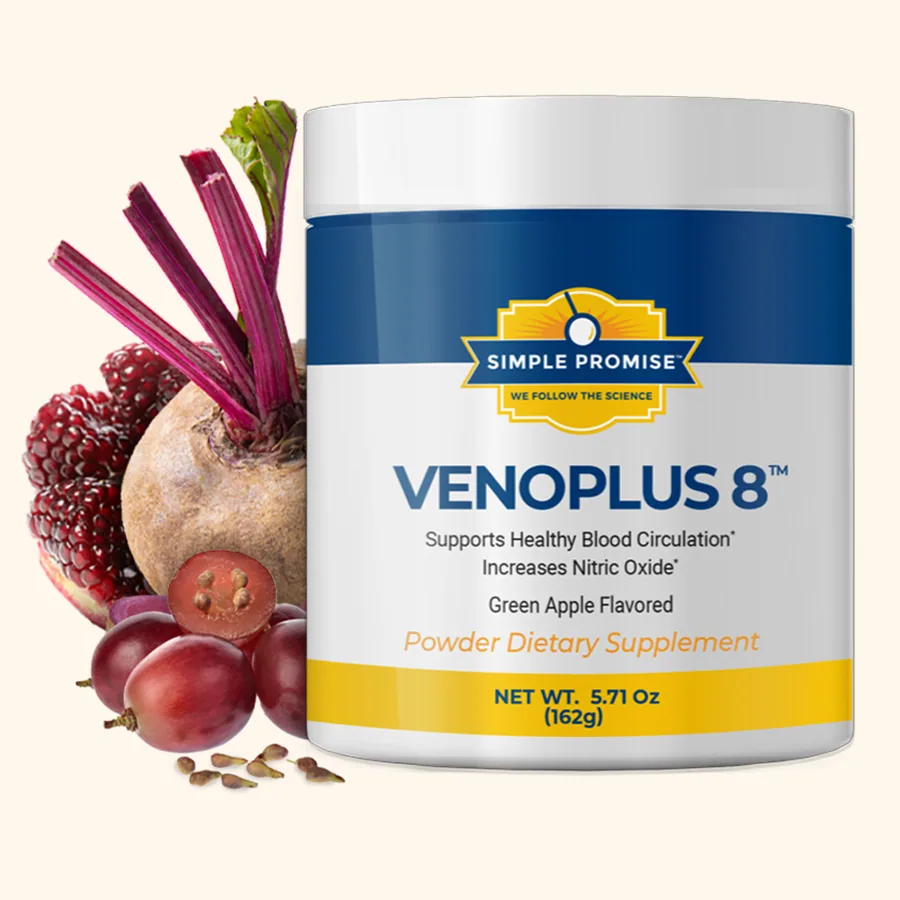
VenoPlus 8 Review: Does This Heart-Health Powder Really Work?
A powdered heart-health supplement sold only through the official website, with 10 listed ingredients and a 365-day refund claim.
Read the reviewFrequently Asked Questions About Pomella
Does Pomella really work?
The evidence is not yet strong enough to say. Pomella has been tested in a few small, short human studies, and some were supplier-funded. These looked at how the body handles the extract and at gut markers. They did not show clear health benefits.
Is Pomella safe?
Pomegranate fruit extracts are generally considered safe for most adults in studied amounts. Side effects can include stomach upset or allergy. It may interact with blood pressure drugs and possibly warfarin, so check with a doctor if you take medicine.
How is Pomella different from pomegranate juice?
Pomella is a concentrated extract standardized to a set punicalagin level, usually sold in capsules. Juice contains punicalagins too, but the amount varies, and it also provides sugar and calories. Studies of juice cannot be assumed to apply to the extract.
What are punicalagins?
Punicalagins are polyphenols found in pomegranate. They are the main compounds used to standardize this extract. Gut bacteria convert them into urolithins, which researchers are studying.
Can I take Pomella with other medicines?
It depends on the medicine. Blood pressure drugs and warfarin are the main concerns, and some sources also advise caution with cancer drugs. A pharmacist or doctor can review your medicines before you start.
Sources
- Pomegranate — NCCIH
- Pomegranate — Memorial Sloan Kettering Cancer Center
- Pomegranate — MedlinePlus (archived copy)
- Pomegranate extract gut microbiome pilot trial — PubMed
- Study sheds light on pomegranate extract's gut-mediated metabolism — NutraIngredients
Last reviewed: