Olive: Benefits, Research & Safety
Olive supplements usually come from the leaf or fruit of Olea europaea. They are rich in polyphenols such as oleuropein and hydroxytyrosol. People take them for general wellness, heart health and brain health, but human evidence is still limited and mixed.
Olive Ingredient Guide
Also known as: Olea europaea, olive leaf extract, olive fruit extract, oleuropein, hydroxytyrosol
- What it is
- Olive is the Mediterranean tree Olea europaea. Supplements are made from its leaves or fruit and contain polyphenols such as oleuropein and hydroxytyrosol.
- What it does
- Olive polyphenols are antioxidants in lab studies, and they are thought to influence inflammation and blood vessel function. Most of this mechanistic work comes from test-tube and animal studies, not people.
- How it is used
- Olive extract is taken as capsules, tablets, liquids or teas, often for heart, blood pressure or cognitive support. It is usually taken daily with meals.
- Natural sources and forms
- Extracts come from the leaf (higher in oleuropein) or the fruit (higher in hydroxytyrosol). Products may be standardized to a set polyphenol content, which varies a lot between products.
- Why it appears in formulas
- Makers add olive extracts as a plant-based antioxidant, and for the link to the Mediterranean diet. In memory formulas it is included for hydroxytyrosol, which has been studied for cognition.
- What to know before use
- People taking blood pressure or diabetes medicines, and anyone who is pregnant or breastfeeding, should talk to a healthcare professional first. Olive leaf may lower blood pressure and blood sugar, and safety in pregnancy is not established.
What the Research Says
Overall: Limited evidence
Human research on olive supplements is small and mixed. Most trials last only weeks to a few months and enroll dozens of people, not hundreds. Results differ by extract type, amount and population.
The most studied area is blood pressure. A crossover trial in pre-hypertensive men found small reductions in 24-hour blood pressure of about 3 mmHg with an olive leaf extract. A more recent double-blind trial in 56 adults with raised systolic pressure found no significant benefit over placebo, because both groups improved.
For brain health, a small randomized trial of a hydroxytyrosol-rich olive fruit product in middle-aged and older adults reported cognitive benefits. Hydroxytyrosol has little human cognitive research overall. Much of the encouraging mechanistic work is from cells and animals.
The benefits seen with olive oil in Mediterranean diet studies come from a whole food pattern. They should not be assumed to apply to concentrated supplements.
| Studied for | What the research says | Evidence |
|---|---|---|
| Blood pressure | One small crossover trial found about 3 mmHg lower 24-hour systolic pressure, while a later trial found no benefit beyond placebo. Overall results conflict. | Limited evidence |
| Cognition | A small randomized trial of a hydroxytyrosol-rich olive fruit product in middle-aged and older adults reported cognitive benefits. More and larger trials are needed. | Early evidence |
| Blood lipids | Some trials of olive leaf extract reported lipid changes, but results are inconsistent and the studies are small. | Limited evidence |
| Antioxidant activity | Olive polyphenols show strong antioxidant activity in the lab. Whether this leads to health benefits in people is not established. | Early evidence |
Did you know? Leaf versus fruit
Olive leaf extracts are usually rich in oleuropein, while hydroxytyrosol is a breakdown product also found in olive fruit. Studies using different parts of the plant are not directly comparable, even though both are labeled olive.
Amounts Used in Studies
These are amounts researchers used, not dosing advice. Ask your doctor or pharmacist what is right for you.
| Form | Amount | Study context |
|---|---|---|
| Olive leaf extract providing about 136 mg oleuropein and 6 mg hydroxytyrosol | Daily | Six-week crossover trial in pre-hypertensive men |
| Olive dry extract (about 123.5 mg oleuropein, 25 mg hydroxytyrosol) | 440 mg/day | Eight-week trial in adults with raised systolic blood pressure |
Safety, Side Effects and Interactions
Olive leaf and fruit extracts were generally well tolerated in the short trials reviewed, but long-term safety data are limited. Reported effects include stomach upset, which is why olive leaf is often advised with meals, as well as headache or a feeling of lightheadedness in some people.
Because olive leaf may lower blood pressure and blood sugar, people with low blood pressure or diabetes, and those on related medicines, should be careful. Safety during pregnancy and breastfeeding has not been established. Supplement quality and polyphenol content vary between products, and supplements are not reviewed by the FDA for effectiveness before sale. Olive allergy is possible, and people with a known olive or olive pollen allergy should be cautious.
Possible interactions
- May add to the effect of blood pressure medicines and cause blood pressure to drop too low.
- May add to the effect of diabetes medicines and lower blood sugar further.
- Theoretically may affect blood thinners or drugs that slow clotting, so ask a pharmacist if you take them.
- Other supplements that lower blood pressure or blood sugar may have additive effects.
Avoid it or ask a doctor first if
- Pregnant or breastfeeding
- Taking blood pressure or diabetes medicines (ask a doctor first)
- Low blood pressure
- Known olive or olive pollen allergy
- Scheduled for surgery soon (ask your doctor)
Supplements We've Reviewed That Contain Olive
Each review checks the full formula, price, refund policy and side effects.
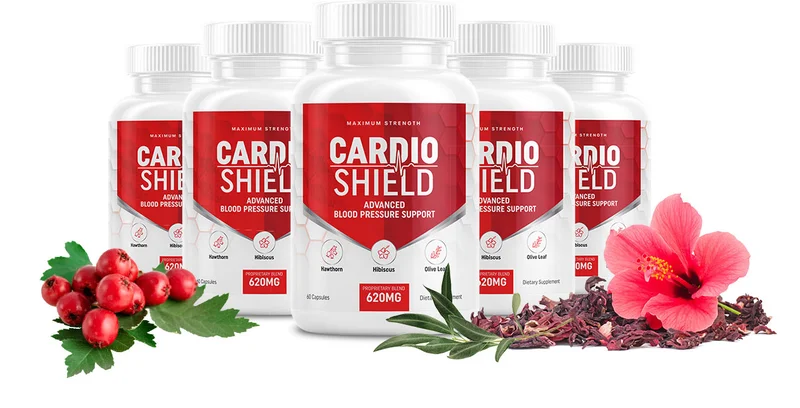
Cardio Shield Review: Does It Really Support Healthy Blood Pressure?
A blood-pressure dietary supplement sold in 1-, 3- and 6-bottle packages through the official website, with a 180-day refund offer that has strict return conditions.
Read the review
Phytomem One Review: Is It Legit or Just Hype?
A 10-ingredient memory and brain-support supplement sold only through the official website, built around claims about microplastics and 'Type 3 Diabetes'.
Read the review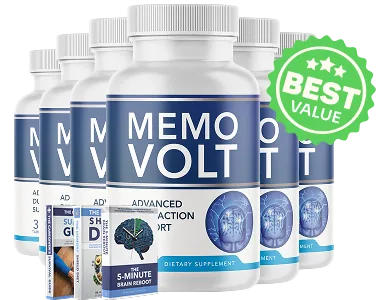
MemoVolt Review: Does It Really Support Healthy Memory?
A multi-ingredient brain and memory supplement sold on the official website, with bundles from 2 to 6 bottles and a 60-day money-back guarantee.
Read the reviewFrequently Asked Questions About Olive
Does Olive really work?
The evidence is limited and mixed. Some small trials suggest modest effects on blood pressure or cognition, while others found no benefit beyond placebo. Larger, longer trials are needed.
Is Olive safe?
Olive extracts were generally well tolerated in short trials, with mild stomach upset the most commonly noted effect. Long-term safety is not well studied. Check with a healthcare professional if you take medicines, have a health condition, or are pregnant.
What is the difference between olive leaf and olive oil?
Olive oil is a food, and the Mediterranean diet research relates to eating it as part of a whole diet. Olive leaf extract is a concentrated supplement with a different polyphenol profile, so the findings do not simply carry over.
What are oleuropein and hydroxytyrosol?
They are polyphenols found in olive. Oleuropein is abundant in leaves, and hydroxytyrosol is found in the fruit and can form from oleuropein. Both are studied for antioxidant activity, mostly in the lab.
Can olive extract affect blood pressure medicine?
It might. Some studies suggest olive leaf may lower blood pressure slightly, which could add to the effect of medicines. Talk to a doctor or pharmacist before combining them.
Sources
- Impact of phenolic-rich olive leaf extract on blood pressure, plasma lipids and inflammatory markers: a randomised controlled trial — European Journal of Nutrition (PMC)
- Olive Leaf — PeaceHealth
- Olive leaf extract blood pressure trial — PLoS ONE (DOAJ record)
- Desert olive tree pearls may alleviate cognitive problems in middle-aged and older adults — News-Medical
Last reviewed: