Jaboticaba: Benefits, Research & Safety
Jaboticaba (Myrciaria jaboticaba) is a purple-black fruit native to Brazil. Its dark peel is rich in anthocyanins and ellagic acid compounds. People take peel or fruit extracts for antioxidant and metabolic support, but human research is still small.
Jaboticaba (Myrciaria jaboticaba) Ingredient Guide
Also known as: Myrciaria jaboticaba, Plinia cauliflora, Plinia jaboticaba, Brazilian grape tree, Jabuticaba
- What it is
- Jaboticaba is a tree in the myrtle family (Myrtaceae) whose grape-like fruits grow directly on the trunk. Taxonomists now often place it in the genus Plinia, so you may see both names.
- What it does
- The peel contains anthocyanins (such as cyanidin-3-glucoside and delphinidin-3-glucoside) and ellagitannins. These antioxidant compounds are thought to influence inflammation and glucose handling, though the mechanisms are not well confirmed in people.
- How it is used
- It is eaten fresh, made into juice, jams or liqueurs, and sold as peel powder or extract in capsules and powders.
- Natural sources and forms
- Supplements typically use freeze-dried or spray-dried peel powder, whole-fruit powder or extracts. Standardization is inconsistent, and anthocyanins break down with heat, light and storage.
- Why it appears in formulas
- Makers add it as a polyphenol-rich, anthocyanin-containing fruit ingredient in antioxidant, blood sugar and metabolic-support blends, and as a natural pigment.
- What to know before use
- Human evidence is limited and no authoritative safety assessment of concentrated supplements was found. Talk with a clinician first if you take diabetes medicines, are pregnant or have a medical condition.
What the Research Says
Overall: Early evidence
Most research on jaboticaba comes from test-tube and animal studies. A 2026 systematic review of 21 studies in high-fat-diet animal models reported promising metabolic, antioxidant and anti-inflammatory effects. The studies varied widely in design and amounts, which makes them hard to compare. The same review noted that evidence on bioavailability and mechanisms is scarce, and that safety and efficacy in humans still need confirmation.
Human data are limited to a few small trials. A randomized, placebo-controlled trial in Brazil gave 49 adults with metabolic syndrome 15 g/day of jaboticaba peel powder or a matched placebo. It reported improvements in the glucose area under the curve and in interleukin-6. An older small crossover pilot looked at antioxidant and glucose measures. I could not confirm the details of the older trial.
Overall, there are too few human studies, from too few research groups, to say whether jaboticaba supplements have reliable benefits. Results from one peel powder cannot be assumed to apply to other extracts or capsules. Eating the fruit is a different matter from taking concentrated products.
| Studied for | What the research says | Evidence |
|---|---|---|
| Blood sugar response | A randomized trial in adults with metabolic syndrome reported a better glucose area-under-the-curve with peel powder than with placebo. Mouse studies also suggest improved insulin sensitivity. One trial is not enough to draw firm conclusions. | Early evidence |
| Inflammation markers | The same trial found a lower interleukin-6 level in the peel group. This is a lab marker, not proof of a health outcome. | Early evidence |
| Antioxidant activity | The peel is rich in anthocyanins and ellagic acid compounds that show antioxidant activity in lab tests. Whether this has meaningful effects in people is not established. | Limited evidence |
| Weight and fat metabolism | Animal studies in high-fat-diet models suggest metabolic effects. Human evidence is lacking. | Early evidence |
Did you know? Fruit that grows on the trunk
Jaboticaba is cauliflorous, meaning its fruits grow straight from the trunk and branches, so a tree can look as if it is covered in dark grapes. Most of the beneficial polyphenols are found in the peel and seeds, which are often discarded when eating the fruit.
Amounts Used in Studies
These are amounts researchers used, not dosing advice. Ask your doctor or pharmacist what is right for you.
| Form | Amount | Study context |
|---|---|---|
| freeze-dried peel powder | 15 g/day | Randomized, placebo-controlled trial in adults with metabolic syndrome (a small study) |
Safety, Side Effects and Interactions
Jaboticaba fruit has a long history as a food in Brazil, and no serious problems were highlighted in the human studies I found. However, I found no formal safety review of concentrated peel extracts or long-term use, so the safety record of supplements is not well defined.
Possible side effects are not well documented. As with other high-fiber, polyphenol-rich fruit powders, some people may have digestive upset such as gas, bloating or loose stools, particularly with large amounts of peel powder. Allergic reactions to fruits in the myrtle family are possible, though not well studied for jaboticaba.
Because the research is limited, product quality matters. Standardization of anthocyanin content varies, and content can fall during processing and storage. Look for products that state the plant part used (peel, whole fruit) and the amount per serving, and tell your healthcare provider about any supplement you take.
Possible interactions
- It may add to the blood sugar-lowering effect of diabetes medicines such as insulin or metformin, based on its theoretical effects, though this has not been well studied.
- It may add to the effects of other supplements that lower blood sugar, such as berberine or chromium.
- No formal drug interaction studies were found, so check with a pharmacist if you take prescription drugs.
- Polyphenol-rich products might affect drug absorption in theory, so some clinicians advise spacing them from medicines.
Avoid it or ask a doctor first if
- Pregnant or breastfeeding (safety of concentrated products is not established)
- Taking diabetes medicines (ask a doctor first)
- Known allergy to jaboticaba or other myrtle-family fruits
- Children, unless advised by a clinician
- Scheduled for surgery soon (blood sugar may be affected)
Supplements We've Reviewed That Contain Jaboticaba (Myrciaria jaboticaba)
Each review checks the full formula, price, refund policy and side effects.
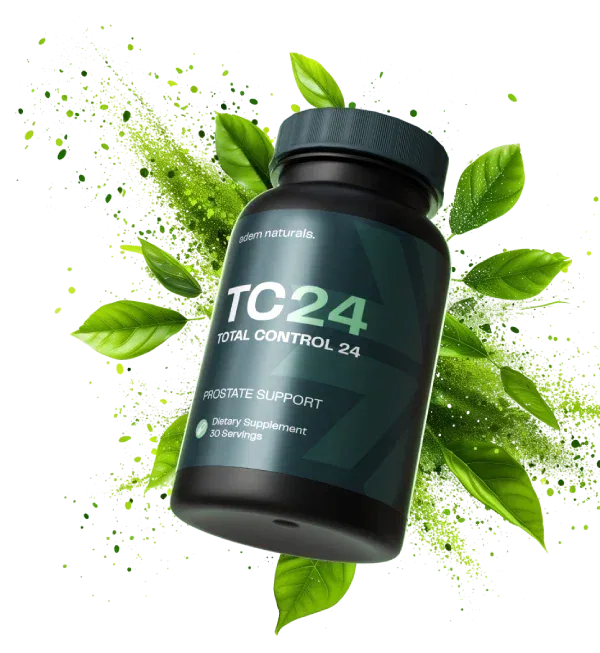
TC24 Review: Does This Prostate Supplement Really Work?
Men's prostate and urinary-support capsule sold only through the official website, with multi-bottle bundles and a 60-day money-back guarantee.
Read the reviewFrequently Asked Questions About Jaboticaba (Myrciaria jaboticaba)
Does jaboticaba really work?
Research is at an early stage. One small randomized trial reported better glucose and interleukin-6 results with peel powder in adults with metabolic syndrome, and animal studies are encouraging. The evidence is not strong enough to say it works for any health goal.
Is jaboticaba safe?
The fruit is eaten as a food in Brazil and no serious problems were noted in the human studies I found. Safety data on concentrated supplements are lacking, so ask a healthcare provider first, especially if you take medicines or are pregnant.
What part of jaboticaba is used in supplements?
Mostly the peel, which holds the most anthocyanins and ellagic acid compounds. Some products use the whole fruit or seeds. Labels do not always state the plant part, so check it.
Is jaboticaba the same as Plinia cauliflora?
The names are closely related. Myrciaria jaboticaba and Plinia cauliflora are often used for jaboticaba fruits, and taxonomy has changed over time. Labels may use either name, and the products may differ in composition.
Can jaboticaba help with blood sugar?
A small trial in adults with metabolic syndrome saw an improvement in a glucose measure with 15 g/day of peel powder. This is preliminary, and it should not replace medical care or prescribed treatment.
Sources
- Jaboticaba peel reduces inflammation and controls blood sugar in people with metabolic syndrome — Agência FAPESP
- Freeze-dried jaboticaba peel powder improves insulin sensitivity in high-fat-fed mice — British Journal of Nutrition
- Jaboticaba in high-fat-diet animal models: systematic review — Food & Function (RSC)
- Jaboticaba Fruit: What Are Its Potential Health Benefits? — News-Medical
Last reviewed: