Maitake Mushroom: Benefits, Research & Safety
Maitake (Grifola frondosa) is an edible mushroom used in Japanese and Chinese cooking and sold as a powder or extract. People take it mainly for immune support and metabolic health, but most of the research is in cells and animals, and human studies are small.
Maitake Mushroom Ingredient Guide
Also known as: Maitake, Grifola frondosa, Grifola, Hen-of-the-woods, Maitake D-fraction (extract type)
- What it is
- Maitake is a large, frilly mushroom that grows at the base of trees and is eaten as food. It is also made into dried powders and extracts.
- What it does
- Its beta-glucan fibers are thought to interact with immune cells, for example through the Dectin-1 receptor, based mainly on lab and animal work. It may also lower blood glucose, but this is not well confirmed in people.
- How it is used
- People take it as capsules, powders, liquid extracts or teas, and eat it as a food. Reasons include immune support and general wellness.
- Natural sources and forms
- Supplements are made from the fruiting body, the mycelium or both. Some are extracts concentrated in beta-glucans, such as the D-fraction, and the beta-glucan content is not standardized across products.
- Why it appears in formulas
- Makers add it for its reputation as an immune-supporting and metabolic-support mushroom. It is also a recognizable ingredient in blends with a natural, food-based image.
- What to know before use
- Maitake may lower blood sugar and blood pressure and may affect warfarin, so talk with a doctor first if you take medicines for these. People with cancer, or who are pregnant or breastfeeding, should also check first.
What the Research Says
Overall: Early evidence
Most maitake research is in cell cultures and animals. In those studies, extracts such as the D-fraction affected immune cell activity and, in some experiments, slowed tumor growth or caused cancer cells to die. Findings from lab and animal work cannot be assumed to apply to people.
Human research is limited. A phase I/II dose-escalation trial in 34 postmenopausal women with breast cancer who had finished initial treatment found that some immune measures went up and others went down, with no steady dose pattern. This kind of early trial was designed to look at safety and immune markers, not whether maitake helps anyone's health. A Natural Standard systematic review concluded that there is too little systematic human study to judge safety and effectiveness. A cancer-focused review found no clinical trial evidence of direct anticancer effects.
Some of the research on branded extracts comes from the companies that sell them, which is a potential conflict of interest. Overall, the evidence is early. Maitake is a reasonable food, but claims for supplements should be treated as unproven.
| Studied for | What the research says | Evidence |
|---|---|---|
| Immune markers | In a small phase I/II trial in women with breast cancer, a maitake extract changed some immune measures in different directions depending on dose. Animal and cell studies suggest beta-glucans activate immune cells, but this has not translated into proven health benefits. | Early evidence |
| Cancer | Lab and mouse studies reported tumor-suppressing effects of the D-fraction. Reviews note that no clinical trials have shown direct anticancer effects in people. | Early evidence |
| Blood sugar | Reviews note maitake might lower blood glucose, mostly from animal data and limited human reports. Whether it makes a meaningful difference in people is unclear. | Limited evidence |
| General safety and tolerability | Maitake and its extracts are usually well tolerated in the small studies done so far, though allergic reactions can occur and long-term data are lacking. | Limited evidence |
Did you know? Why it is called the dancing mushroom
Maitake means "dancing mushroom" in Japanese. The name is often said to come from its ruffled, frilly clusters, and from the joy people felt on finding one in the wild. In the US it is also called hen-of-the-woods.
Amounts Used in Studies
These are amounts researchers used, not dosing advice. Ask your doctor or pharmacist what is right for you.
| Form | Amount | Study context |
|---|---|---|
| Maitake D-fraction extract (liquid or tablet) | Dose-escalation across several cohorts (weight-based, mg per kg per day) | Phase I/II trial in 34 postmenopausal women with breast cancer, mainly looking at immune markers and safety |
| Maitake Pro4X (D-fraction) in mice | 5 mg/kg per day for 15 days | Animal study only; this amount should not be applied to people |
Safety, Side Effects and Interactions
Maitake is eaten as food and appears to be generally well tolerated in the small studies done. Reported side effects are uncommon and can include mild digestive upset and allergic reactions. People allergic to maitake or related mushrooms should avoid it. In the breast cancer dose-escalation trial, no severe side effects were reported, but two of the 34 participants dropped out because of adverse reactions.
Because maitake may lower blood glucose and blood pressure, there is a theoretical risk of low blood sugar or low blood pressure when combined with medicines or supplements that do the same. There is limited evidence that it may increase the effect of warfarin. Its effects on the immune system are not fully understood, so people with cancer or an immune condition, or who take immune-suppressing drugs, should be cautious and ask their care team. Safety in pregnancy and breastfeeding has not been established, and long-term safety data are lacking. Supplement quality and beta-glucan content vary between products.
Possible interactions
- Diabetes medicines and other blood-sugar-lowering supplements: maitake may add to the effect and raise the risk of low blood sugar.
- Blood pressure medicines: combining them might cause blood pressure to drop too low in theory.
- Warfarin: there is limited evidence that maitake may increase its blood-thinning effect, so monitoring may be needed.
- Immunosuppressant drugs and cancer treatments: maitake's immune effects are uncertain, so check with your care team first.
Avoid it or ask a doctor first if
- Allergic to maitake or other mushrooms
- Taking diabetes medicines or insulin, unless your doctor agrees
- Taking warfarin or other blood thinners
- Taking blood pressure medicines
- Having cancer or on immune-suppressing treatment, without your care team's approval
- Pregnant or breastfeeding
- Having surgery planned soon, because of possible blood sugar effects
Supplements We've Reviewed That Contain Maitake Mushroom
Each review checks the full formula, price, refund policy and side effects.
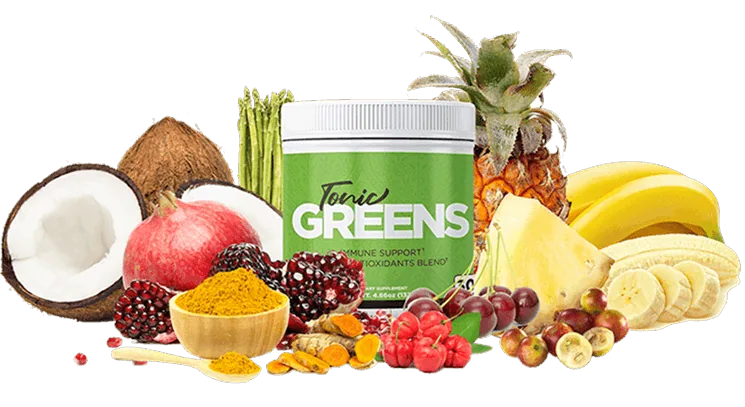
TonicGreens Review: Does This Greens Powder Really Support Immunity?
A daily greens-powder drink mix marketed for immune support, sold through the official website with a 60-day money-back guarantee.
Read the review
Cholibrium Review: Is This 10-Mushroom Heart Supplement Legit?
A 10-mushroom capsule supplement marketed for heart health and cholesterol levels already in a healthy range, sold through the official website with a 365-day money-back guarantee.
Read the reviewFrequently Asked Questions About Maitake Mushroom
Does maitake mushroom really work?
The evidence is early. Lab and animal studies show effects on immune cells and blood glucose, but human trials are few and small. No clinical trial has shown that maitake supplements treat or prevent any disease.
Is maitake mushroom safe?
As a food and in small studies, maitake appears to be generally well tolerated. Allergies are possible, and it may interact with diabetes, blood pressure and warfarin medicines. Ask a doctor first if you take medicines, are pregnant or breastfeeding, or have a health condition.
What is the D-fraction?
The D-fraction is a beta-glucan-rich extract of maitake that has been used in much of the immune research. Most of that research is in cells and animals, plus a small phase I/II human trial. Some of it was done on branded products by the companies selling them.
Can maitake lower blood sugar?
Reviews say it might, mainly from animal and limited human data. Because the effect is uncertain, people on diabetes medicines should talk to a doctor before taking it, since it could add to the effect of those drugs.
Is eating maitake the same as taking a supplement?
Not exactly. Cooked maitake is a food with a long record of use. Supplement extracts are more concentrated, vary in beta-glucan content, and have been less studied in people.
Sources
- Maitake mushroom (Grifola frondosa): Systematic review by the Natural Standard Research Collaboration — Memorial Sloan Kettering Synapse
- Maitake (Grifola frondosa) — CAM-Cancer
- Maitake Pro4X has anti-cancer activity and prevents oncogenesis in BALB/c mice — PubMed Central
- Phase I/II trial of a polysaccharide extract from Grifola frondosa (maitake) in breast cancer patients — Journal of Cancer Research and Clinical Oncology (Springer)
Last reviewed: