Lipophytol: Benefits, Research & Safety
Lipophytol is a trade name for a plant sterol (phytosterol) ingredient made by Lipofoods. It is formulated so the sterols can mix into foods, drinks and supplements. People take plant sterols mainly to support healthy cholesterol levels as part of a heart-conscious diet.
Lipophytol Ingredient Guide
Also known as: lipophytol, Plant sterols (phytosterols), Microencapsulated phytosterols, Pine-derived phytosterols
- What it is
- Lipophytol is a branded phytosterol ingredient. The maker describes it as a microencapsulated powder of plant sterols from pine tree sources, not palm oil. Phytosterols are plant compounds with a structure similar to cholesterol.
- What it does
- Plant sterols are thought to compete with cholesterol for absorption in the gut, so less dietary and bile cholesterol enters the blood. The maker's encapsulation is meant to help the sterols disperse in water-based foods and drinks.
- How it is used
- It is added as a powder to foods, beverages and supplements. Research on plant sterols in general usually involves daily intake with meals.
- Natural sources and forms
- Plant sterols occur naturally in small amounts in vegetable oils, nuts, seeds and grains. Lipophytol is sold in powders that the maker says contain about 68-75% or 87-94% phytosterols. The maker says this is more concentrated than sterol esters, which are about 60% sterols.
- Why it appears in formulas
- Makers add it to offer a plant sterol that mixes into water-based products without a gritty or oily texture. Its higher sterol content may also mean less powder is needed per serving.
- What to know before use
- Most evidence is for plant sterols in general, not this brand. People with sitosterolemia, pregnant or breastfeeding women, and people taking cholesterol medicines should ask a healthcare professional first.
What the Research Says
Overall: Moderate evidence
There is no independent human research on Lipophytol itself that I could find. The only brand-specific data are company-reported results, which are not independent evidence. The maker says encapsulated and raw phytosterols lowered cholesterol to a similar degree. It also says the encapsulated form was better for triglycerides.
Plant sterols as a class have a larger evidence base. Reviews of human trials report that about 2 g per day can lower LDL cholesterol by roughly 8-10%. Results depend on the delivery format. One randomized trial of phytosterol capsules found no significant LDL reduction. Sterols mixed into foods or taken with meals tend to work better.
There is insufficient evidence that plant sterols reduce heart attacks or other cardiovascular events. Long-term safety trials are also scarce. Evidence for Lipophytol therefore depends on the general plant sterol literature. It should not be treated as proof that this specific product works.
| Studied for | What the research says | Evidence |
|---|---|---|
| LDL cholesterol (plant sterols in general) | Reviews of human trials suggest about 2 g per day of plant sterols can lower LDL cholesterol by about 8-10%. This is for plant sterols as a class, not Lipophytol specifically. | Moderate evidence |
| Capsule versus food delivery | A randomized trial of phytosterol capsules did not find a significant drop in LDL cholesterol. This suggests the delivery format may matter. | Limited evidence |
| Triglycerides (Lipophytol) | The maker reports its encapsulated form was more effective than raw phytosterols for high triglycerides. I found no independent confirmation. | Early evidence |
| Heart disease outcomes | There is not enough evidence that plant sterols reduce heart attacks or strokes, even though they lower LDL cholesterol. | Limited evidence |
Did you know? A name for a familiar plant compound
Lipophytol is a brand name for phytosterols, which plants make and which resemble cholesterol in structure. Because the two look so alike, plant sterols can compete with cholesterol for absorption in the gut. The maker highlights that the product is palm-free and made from pine sources.
Amounts Used in Studies
These are amounts researchers used, not dosing advice. Ask your doctor or pharmacist what is right for you.
| Form | Amount | Study context |
|---|---|---|
| Plant sterols (phytosterols) in food or supplement form | about 2 g/day | Intake linked to 8-10% LDL cholesterol reductions in reviews of human trials |
| Phytosterol capsules | 2 g/day | Randomized trial in people with high cholesterol that did not show a significant LDL drop |
Safety, Side Effects and Interactions
Plant sterols are generally well tolerated at amounts used in studies. Reported side effects are usually mild and digestive, such as diarrhea or fatty stools. Reviews of sterol-enriched foods at recommended intakes found no notable side effects.
Plant sterols can lower absorption of fat-soluble nutrients such as beta-carotene, alpha-carotene and vitamin E. Eating plenty of fruits and vegetables is often suggested to offset this.
People with sitosterolemia, a rare inherited condition, absorb and store plant sterols. In that condition they can build up in blood and tissue and are linked to early heart disease and other problems. They should avoid plant sterols.
There is not enough reliable information on use in pregnancy and breastfeeding, so many references advise caution or avoidance. Long-term safety data from randomized trials are limited. Lipophytol itself has no independent safety studies that I could find.
Possible interactions
- Ezetimibe may reduce how much plant sterol is absorbed, and the two may overlap in effect, so ask a clinician.
- Statins and other cholesterol medicines may be used alongside plant sterols, but a clinician should guide this.
- Plant sterols may lower absorption of fat-soluble nutrients such as carotenoids and vitamin E.
- Check with a pharmacist if you take any prescription medicine, since interaction data are incomplete.
Avoid it or ask a doctor first if
- Sitosterolemia (phytosterolemia)
- Pregnant or breastfeeding unless a clinician approves
- Taking ezetimibe or other cholesterol medicine without medical advice
- Children unless advised by a pediatric clinician
- Already getting plant sterols from many fortified foods
Supplements We've Reviewed That Contain Lipophytol
Each review checks the full formula, price, refund policy and side effects.
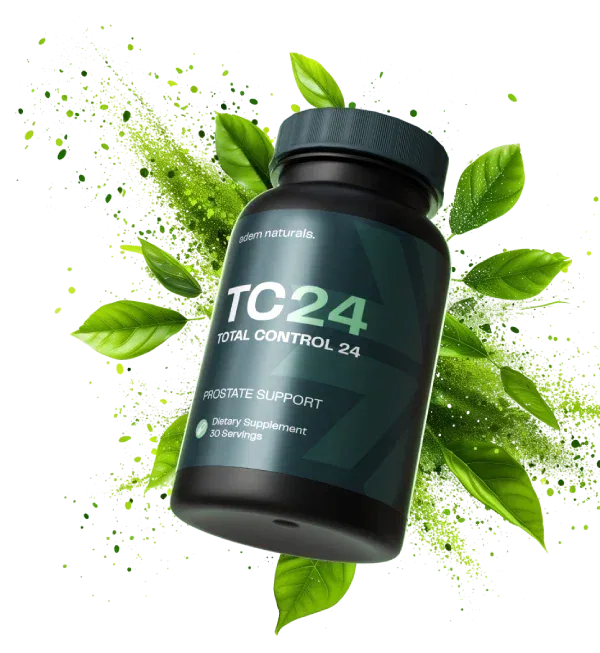
TC24 Review: Does This Prostate Supplement Really Work?
Men's prostate and urinary-support capsule sold only through the official website, with multi-bottle bundles and a 60-day money-back guarantee.
Read the reviewFrequently Asked Questions About Lipophytol
Does Lipophytol really work?
There are no independent human trials on Lipophytol itself that I found. Plant sterols as a class have been shown to lower LDL cholesterol by about 8-10% at around 2 g per day in reviews. The maker's own data are not independent, so treat brand claims cautiously.
Is Lipophytol safe?
Plant sterols are generally well tolerated, with mild digestive effects reported in some people. They are not suitable for people with sitosterolemia, and caution is advised in pregnancy and with cholesterol medicines. Long-term safety trials are limited.
How is Lipophytol different from ordinary plant sterols?
It is a branded, microencapsulated powder designed to disperse in water. The maker says it is more concentrated than sterol esters and is palm-free. These are manufacturer claims, and no independent comparison data were found.
Can plant sterols replace cholesterol medicine?
No. Plant sterols were studied as an addition to diet, and their effect on LDL is modest. Never stop or change prescribed medicine without talking to your clinician.
Do plant sterols affect vitamin levels?
They may reduce absorption of carotenoids and vitamin E somewhat. A diet rich in fruits and vegetables is often suggested to help balance this.
Sources
- New palm-free, water-dispersible phytosterols — Food & Drink Technology
- Phytosterols — Linus Pauling Institute, Oregon State University
- Phytosterol capsules and serum cholesterol in hypercholesterolemia: a randomized controlled trial — PubMed
- Plant Sterols — RxList
- Plant stanol and sterol esters in the control of blood cholesterol levels: mechanism and safety aspects — PubMed
Last reviewed: