Lactobacillus reuteri: Benefits, Research & Safety
Lactobacillus reuteri is a species of friendly bacteria that naturally lives in the human gut and in some foods. It is sold as a probiotic. People take it mainly for digestive comfort, and parents often look at it for infant colic. Research is strain-specific, so results for one strain may not apply to another.
Lactobacillus reuteri Ingredient Guide
Also known as: Limosilactobacillus reuteri, L. reuteri, L. reuteri DSM 17938, L. reuteri ATCC PTA 6475
- What it is
- Lactobacillus reuteri (now formally named Limosilactobacillus reuteri) is a species of live bacteria found in the gut and in breast milk. Several strains are sold as probiotics, and each strain behaves differently.
- What it does
- It is thought to interact with the gut lining and the gut microbiome, and to influence gut movement and immune signaling. Exactly how it works for each effect is not fully settled.
- How it is used
- It is taken as drops, chewables, capsules or powders, usually daily. Infant products are drops, and adult products are mostly capsules or lozenges.
- Natural sources and forms
- Supplements contain live cultures measured in colony-forming units (CFU). The best-studied strain is DSM 17938, and ATCC PTA 6475 is another. Some fermented foods contain L. reuteri, but amounts are not standardized.
- Why it appears in formulas
- Makers add it to digestive, infant and general gut-health products because specific strains have human trials behind them. It is also paired with other probiotics in blends.
- What to know before use
- Probiotics can cause serious infections in premature infants and in people with weakened immune systems or serious illness, so check with a health care provider first. Check that the label names the exact strain.
What the Research Says
Overall: Moderate evidence
The research on L. reuteri is uneven. It is strongest for one strain, DSM 17938, in infant colic. Several meta-analyses of randomized trials found less crying time and more treatment success than placebo. One 2015 meta-analysis pooled six trials with 423 infants. Benefit appears clearest in exclusively or mostly breastfed babies, and is less clear in formula-fed babies. Reviewers still call for larger, multicenter trials, and at least one trial found no difference from placebo.
The evidence is smaller for constipation. A meta-analysis of five randomized trials with 737 participants found more bowel movements per week with DSM 17938, but no clear change in stool consistency. A network analysis in children suggested it may work alongside laxatives.
Other uses, including irritable bowel syndrome, oral health and immune support, rest on few or early studies. Most results apply only to the strain tested, so they should not be assumed for other L. reuteri products.
| Studied for | What the research says | Evidence |
|---|---|---|
| Infant colic | Meta-analyses of randomized trials found DSM 17938 reduced crying time and raised treatment success compared with placebo. The benefit was mainly seen in breastfed infants, and some trials were negative. | Moderate evidence |
| Constipation | A pooled analysis of five trials found more bowel movements with DSM 17938. Stool consistency did not clearly change, and trial quality varied. | Limited evidence |
| Irritable bowel syndrome | Probiotics in general may help IBS symptoms, but no firm conclusions can be drawn about which strains work. Trials of L. reuteri strains in adults are few. | Early evidence |
| Gut comfort in infants and children | Reviews of DSM 17938 in children have looked at several digestive complaints, with mixed results and small studies. | Limited evidence |
Did you know? Same species, different strains
Probiotic effects are strain-specific. The colic evidence mostly concerns one named strain, DSM 17938, and may not apply to other L. reuteri products. The species also lives naturally in human breast milk.
Amounts Used in Studies
These are amounts researchers used, not dosing advice. Ask your doctor or pharmacist what is right for you.
| Form | Amount | Study context |
|---|---|---|
| L. reuteri DSM 17938 drops | about 100 million CFU (10^8) per day | Infant colic trials lasting about 21 to 28 days, mostly in breastfed infants |
| L. reuteri DSM 17938 | amounts varied by trial, often 10^8 to 10^9 CFU per day | Constipation trials in children and adults, sometimes alongside laxatives |
Safety, Side Effects and Interactions
Probiotics have a long record of apparent safe use, mainly in healthy people. In the trials reviewed, L. reuteri DSM 17938 produced few side effects, and none were reported in the colic and constipation meta-analyses. Possible mild effects with probiotics in general include gas and bloating.
The main risk is infection. The FDA warned in 2023 that giving probiotics to premature infants can cause severe, potentially fatal infections. People with weakened immune systems or serious illness are also at higher risk. Rare cases of bloodstream infection have been reported with probiotics. Probiotics can also pass antibiotic resistance genes to other gut microbes, and some products have been found to contain microbes not listed on the label.
Long-term safety data are limited. Supplements are not reviewed by the FDA for effectiveness, so quality varies.
Possible interactions
- Antibiotics may reduce the live bacteria in a probiotic, and some clinicians suggest spacing doses apart.
- Immunosuppressant drugs, such as those used after transplant or in chemotherapy, raise the risk of probiotic infection.
- Combining it with laxatives was studied in children, so talk to a doctor before adding it to constipation treatment.
- No other well-documented drug interactions were found, but ask a pharmacist if you take prescription medicines.
Avoid it or ask a doctor first if
- premature infants, unless a neonatal doctor advises it
- weakened immune system or on immunosuppressants
- serious illness or hospitalized
- central venous catheter or recent major surgery
- pregnant or breastfeeding, unless a provider agrees
- giving to any infant or child without pediatrician advice
Supplements We've Reviewed That Contain Lactobacillus reuteri
Each review checks the full formula, price, refund policy and side effects.
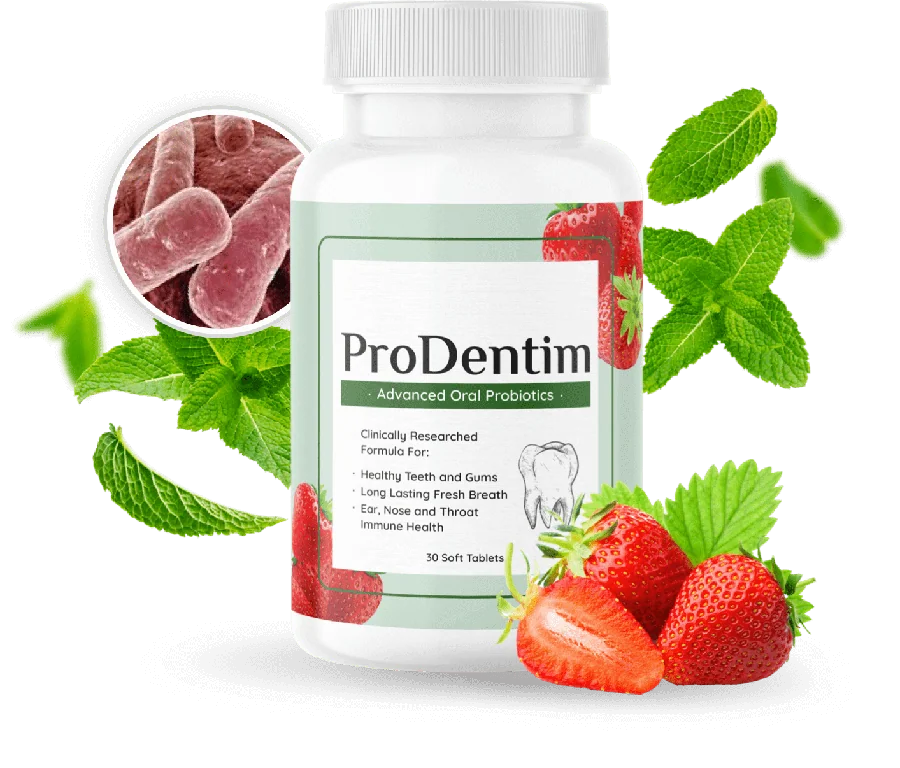
ProDentim Review: Does This Oral Probiotic Really Support Gums and Teeth?
A dissolvable probiotic tablet marketed for gum and tooth health, sold on the official website with a 60-day money-back guarantee; the health claims are largely unverified.
Read the reviewFrequently Asked Questions About Lactobacillus reuteri
Does Lactobacillus reuteri really work?
For infant colic, several meta-analyses found the DSM 17938 strain reduced crying time, mainly in breastfed infants, though some trials found no benefit. Evidence for constipation is smaller, and for other uses it is early. Results depend on the strain.
Is Lactobacillus reuteri safe?
It appears well tolerated in most healthy people, and trials report few side effects. It is not risk-free: premature infants and people with weakened immune systems can develop serious infections from probiotics. Ask a health care provider first.
Does the strain on the label matter?
Yes. Research results apply to the specific strain tested, such as DSM 17938. A label that only says L. reuteri does not tell you whether it matches the strain studied.
Can I give L. reuteri to my baby for colic?
Talk to your pediatrician first. Colic can look like other problems, and probiotics are not advised for premature infants. Studies of DSM 17938 in colic used it under study conditions.
Can I take it with antibiotics?
Antibiotics can kill probiotic bacteria, so timing may matter. Ask your doctor or pharmacist. Research on probiotics during antibiotics is mixed and depends on the strain.
Sources
- Probiotics: Usefulness and Safety — NCCIH
- The Efficacy and Safety of the Probiotic Bacterium Lactobacillus reuteri DSM 17938 for Infantile Colic: A Meta-Analysis of Randomized Controlled Trials — PubMed Central
- The efficacy of Lactobacillus reuteri DSM 17938 in infants and children: a review of the current evidence — PubMed
- Efficacy of Lactobacillus reuteri DSM 17938 for infantile colic: Systematic review with network meta-analysis — PubMed
- Probiotics for management of infantile colic: a systematic review of randomized controlled trials — PubMed
- Effectiveness of a Probiotic for Functional Chronic Constipation: A Meta-analysis of Randomized Controlled Trials — Iranian Journal of Pediatrics
Last reviewed: