Lactobacillus paracasei: Benefits, Research & Safety
Lactobacillus paracasei (now often called Lacticaseibacillus paracasei) is a lactic acid bacterium found in fermented foods and in the human gut. People take it as a probiotic to support digestive, oral and general wellness. The research is strain-specific, and many studies are small.
Lactobacillus paracasei Ingredient Guide
Also known as: Lacticaseibacillus paracasei, L. paracasei, Lactobacillus paracasei subsp. paracasei, Lactobacillus casei group
- What it is
- L. paracasei is a species of lactic acid bacteria that occurs in dairy products, fermented foods and the human gut. It was reclassified into the genus Lacticaseibacillus, so labels may show either name.
- What it does
- Probiotic strains are thought to interact with gut microbes and the immune system, and they may produce substances such as organic acids. Different strains may act differently, and much of the mechanism work comes from lab and animal studies.
- How it is used
- It is taken as capsules, powders or fermented foods and drinks, often as one ingredient in multi-strain probiotic blends. People use it for digestive comfort and general wellness.
- Natural sources and forms
- It is found in some cheeses, fermented milks and other fermented foods. Supplements contain live freeze-dried bacteria measured in colony-forming units (CFU). Named strains, such as Lpc-37, K56, SD1 and 8700:2, are the ones tested in trials.
- Why it appears in formulas
- Makers add it as a familiar, well-characterized probiotic species that survives in food and supplement formats. It is often combined with other Lactobacillus and Bifidobacterium strains.
- What to know before use
- Probiotics can rarely cause serious infections in people who are very ill, have weakened immune systems, or have central lines. Premature infants are also at risk. Talk to a health professional first if any of these apply.
What the Research Says
Overall: Limited evidence
Research on L. paracasei includes a number of randomized, placebo-controlled trials of specific strains. Most trials are small and short, and they cover a range of different outcomes. Results for one strain cannot be assumed to apply to another.
Narrative reviews describe trials of strains such as Lpc-37 and K56 on stress-related biomarkers in healthy adults and students, SD1 on oral bacteria linked to cavities, and 8700:2 on triglycerides and metabolic syndrome features. Other strains were tested for cholesterol and body composition, some in small or pilot studies. Many other claims, such as effects on diabetes, colorectal cancer or lifespan, come from animal or lab work only.
Probiotics in general have the best evidence for a few uses, such as reducing antibiotic-associated diarrhea, according to NCCIH. For most other conditions, it is unclear which strains work, at what amounts, or in whom. The reviews we found did not give pooled safety or benefit data for L. paracasei, so the overall evidence is best described as limited.
| Studied for | What the research says | Evidence |
|---|---|---|
| Stress-related markers | Randomized trials of strains Lpc-37 and K56 in healthy adults and students reported changes in stress-related biomarkers. The trials were small, and these results do not show treatment of any condition. | Early evidence |
| Oral health | A randomized, placebo-controlled trial of strain SD1 reported lower levels of mutans streptococci, bacteria linked to cavities, and lower caries risk. More independent trials are needed. | Early evidence |
| Cardiometabolic markers | Strain 8700:2 was reported to lower triglycerides and slow weight gain in a randomized trial, and another small trial reported better blood vessel function. Trials were small and strain-specific. | Early evidence |
| Cholesterol and body composition | A strain tested in people with high cholesterol, and a pilot study of a fermented beverage in overweight adults, are listed in reviews. Details and sizes are limited, so findings are preliminary. | Early evidence |
| Digestive health (probiotics generally) | NCCIH notes that probiotics as a group may lower the risk of antibiotic-associated diarrhea, though conclusions are tentative. This is not specific to L. paracasei. | Limited evidence |
Did you know? Name changes on labels
In 2020, scientists split the large Lactobacillus genus into many new genera. L. paracasei became Lacticaseibacillus paracasei. Some labels still use the older name, so the same bacterium can appear under two names.
Amounts Used in Studies
These are amounts researchers used, not dosing advice. Ask your doctor or pharmacist what is right for you.
| Form | Amount | Study context |
|---|---|---|
| Strain-specific live bacteria (CFU) | Varies by strain and product | The reviews we checked did not report CFU amounts or durations for L. paracasei trials. Check each trial's methods, since amounts differ by strain. |
Safety, Side Effects and Interactions
Probiotics have a long history of apparently safe use, mainly in healthy people, but NCCIH notes that safety has not been studied in detail. L. paracasei is also widely used in foods.
The most common side effects reported for L. paracasei are gas and an upset stomach. Allergic reactions are possible, such as hives or swelling of the face or throat. If these occur, stop use and get medical help.
Serious infections are very rare but have been reported. Case reports describe bloodstream infection and heart valve infection (endocarditis) with L. paracasei, mainly in people with other risk factors. The risk is highest in people who are very ill or have weakened immune systems. The FDA has warned that probiotics can cause severe, sometimes fatal infections in premature infants.
Other general risks of probiotics include contamination with unlisted microbes and transfer of antibiotic resistance genes. Safety in pregnancy and breastfeeding is not well established.
Possible interactions
- Immunosuppressive medicines may raise the chance of infection from live probiotic bacteria, so ask a health professional first.
- Antibiotics may reduce the number of live bacteria in a probiotic, and the interaction research is incomplete.
- Chemotherapy can weaken the immune system, which raises the risk of probiotic infections.
- No known interactions with foods or drinks have been identified, and the effect of alcohol is unknown.
Avoid it or ask a doctor first if
- Premature infants, unless a doctor directs it
- Seriously ill or hospitalized people
- People with weakened immune systems, such as those with cancer or on chemotherapy
- People taking immunosuppressive medicines
- People with a central line or port
- Anyone allergic to L. paracasei or to ingredients in a product
- Pregnant or breastfeeding women, unless a health professional approves it
Supplements We've Reviewed That Contain Lactobacillus paracasei
Each review checks the full formula, price, refund policy and side effects.
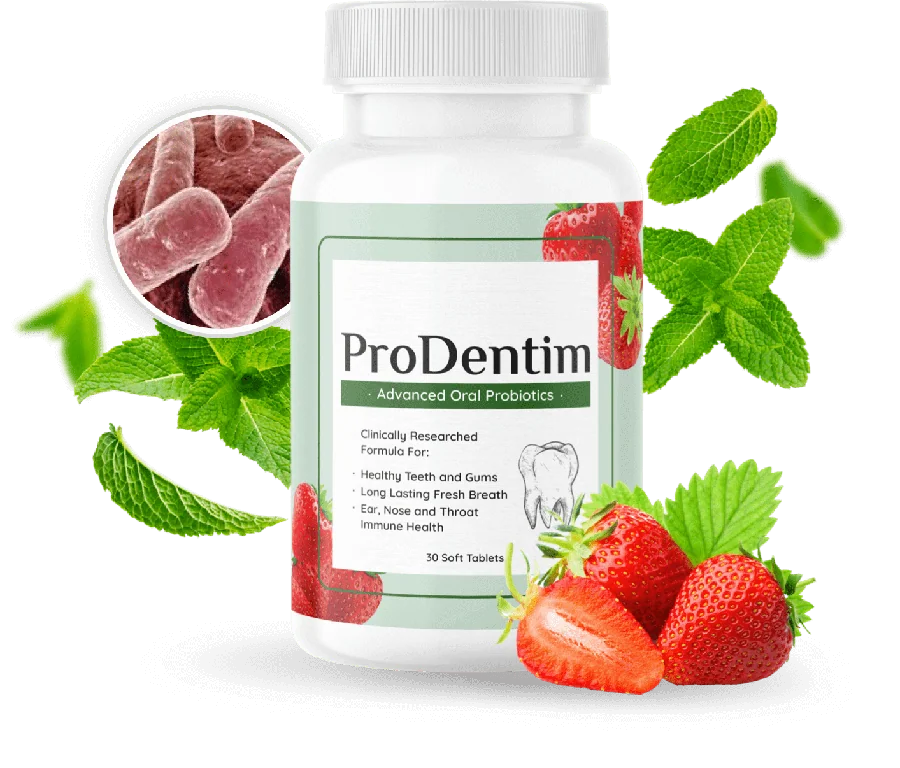
ProDentim Review: Does This Oral Probiotic Really Support Gums and Teeth?
A dissolvable probiotic tablet marketed for gum and tooth health, sold on the official website with a 60-day money-back guarantee; the health claims are largely unverified.
Read the reviewFrequently Asked Questions About Lactobacillus paracasei
Does Lactobacillus paracasei really work?
It depends on the strain and the goal. Some strains have small randomized trials on stress markers, oral health and metabolic markers, but the evidence is early and limited. Results for one strain do not apply to others.
Is Lactobacillus paracasei safe?
It appears safe for most healthy people, and the most common effects are gas and an upset stomach. Rare serious infections have been reported, mainly in very ill or immunocompromised people. Premature infants should not use probiotics unless a doctor directs it.
Why is it sometimes called Lacticaseibacillus paracasei?
Scientists reclassified many Lactobacillus species into new genera. The bacterium is the same, but newer labels and papers use the new name.
Does the strain matter?
Yes. Probiotic effects are strain-specific, so a result for one strain, such as Lpc-37, cannot be assumed for another L. paracasei product. Look for the full strain name on the label.
Can I get L. paracasei from food?
It occurs in some fermented foods and dairy products, such as certain cheeses and fermented milks. The amount and strain vary, so foods may not match the strains studied in supplement trials.
Sources
- Probiotics: Usefulness and Safety — NCCIH
- The Role of Lacticaseibacillus paracasei as a Probiotic in Health — Journal of Pure and Applied Microbiology
- Lacticaseibacillus paracasei — WebMD
Last reviewed: