Lactobacillus Fermentum: Benefits, Research & Safety
Lactobacillus fermentum, now formally called Limosilactobacillus fermentum, is a species of lactic acid bacteria found in fermented foods and in the human gut and breast milk. It is sold as a probiotic, and people take it mainly for digestive and immune support. Most of the research is on individual strains, so results for one strain do not apply to the whole species.
Lactobacillus fermentum Ingredient Guide
Also known as: Limosilactobacillus fermentum, Lactobacillus fermentum, L. fermentum, Limosilactobacillus (Lactobacillus) fermentum
- What it is
- A species of lactic acid bacteria that was moved from the Lactobacillus genus to Limosilactobacillus in a 2020 taxonomy update. Some strains were first isolated from human milk, fermented foods and the human gut.
- What it does
- Like other probiotics, it is thought to interact with the gut microbiome and the immune system, and some strains make compounds that may limit the growth of other microbes. These mechanisms are mostly shown in lab and animal work, and they vary by strain.
- How it is used
- It is taken as a capsule, powder or added food product, often in blends with other probiotic strains. Products list it in colony-forming units (CFU).
- Natural sources and forms
- It occurs naturally in fermented foods such as sourdough and some fermented dairy and vegetables. Supplements use specific named strains, and the strain designation on the label matters more than the species name.
- Why it appears in formulas
- Makers add it as one of several strains in multi-strain gut and wellness blends because of its long use in food and its probiotic image. Weight-management blends may include it, but strong human evidence for that use is lacking.
- What to know before use
- Check the exact strain on the label, because evidence is strain-specific. People with weakened immune systems, central venous catheters, or serious illness, and premature infants, should talk to a doctor before taking any probiotic.
What the Research Says
Overall: Limited evidence
Human research on L. fermentum is limited and concentrated on a few strains rather than the species as a whole. The best-studied is a strain called CECT5716, which was first isolated from human milk. A systematic review that pooled three randomized trials in 435 infants found fewer gastrointestinal infections with formula containing this strain than with placebo (IRR 0.52), but the authors called for longer, larger studies. Trials in breastfeeding women looked at mastitis, including a double-blind, placebo-controlled trial of 148 women that reported lower Staphylococcus levels in breast milk. Another study was open-label and compared the strain with antibiotics, which makes it harder to interpret. Other strains were tested in small studies, for example in competitive cyclists, where the effects on respiratory symptoms were mixed and gastrointestinal symptoms were more frequent with the probiotic. Many other reports are animal or lab studies. No large, independent trials show that L. fermentum helps with weight loss, so claims in that area are not supported by the studies we found. Results for one strain should not be applied to another, to the species, or to multi-strain blends.
| Studied for | What the research says | Evidence |
|---|---|---|
| Infant gut infections | A pooled review of three randomized trials in infants found fewer gastrointestinal infections with formula containing strain CECT5716. The studies were few and the authors asked for larger trials. | Limited evidence |
| Breast health in nursing mothers | Trials of strain CECT5716 in breastfeeding women looked at mastitis and breast milk bacteria, with some positive findings. Some studies were open-label, and reviews note methodological limits. | Limited evidence |
| Respiratory illness in athletes | In an 11-week trial of competitive cyclists, one strain was linked to lower respiratory symptom load in males but not in females. Mild gastrointestinal symptoms were more frequent in the probiotic group. | Early evidence |
| Weight management | We found no strong human trial evidence that L. fermentum alone supports weight loss. Claims in this area mostly rest on animal or test-tube work and on marketing. | Early evidence |
Did you know? A name change, not a new bug
Lactobacillus fermentum is now formally Limosilactobacillus fermentum, after a 2020 reclassification that split the large Lactobacillus genus into many new ones. Labels still often use the old name, so you may see both for the same organism. The strain code, such as CECT5716, is what links a product to the research.
Amounts Used in Studies
These are amounts researchers used, not dosing advice. Ask your doctor or pharmacist what is right for you.
| Form | Amount | Study context |
|---|---|---|
| Strain CECT5716 added to infant formula | Around 10^7 to 10^8 CFU per day (varied by trial) | Trials in healthy infants lasting several months up to one year |
| Strain CECT5716 capsules in breastfeeding women | Around 10^9 CFU per day (varied by trial) | Trials lasting a few weeks, looking at mastitis symptoms and breast milk bacteria |
Safety, Side Effects and Interactions
Probiotics are generally well tolerated in healthy people. The NIH Office of Dietary Supplements says they may cause gas, and that infections or other serious problems are rare. In the trials we found, strain CECT5716 was reported as safe in infants, with weight gain used as a safety marker in a one-year study. In the cyclist trial, mild gastrointestinal symptoms were more frequent with the probiotic strain. Animal studies of other strains did not find toxicity, but these results do not prove safety in people.
Rare but serious risks, such as bloodstream infection, are mainly a concern in people who are very ill, have a weakened immune system, or have a central venous catheter. The FDA has raised concerns about probiotic use in preterm infants. Supplements are not reviewed by the FDA before sale, and product contents and CFU counts can vary.
Possible interactions
- Immunosuppressant medicines may raise the risk of probiotic infections, so ask a doctor first.
- Antibiotics may reduce the number of live bacteria, and some people separate the doses by a few hours; ask a pharmacist.
- Taking it with other probiotics is common, but combined effects are not well studied.
- Medicines that weaken the immune system, such as chemotherapy, call for medical advice before any probiotic.
Avoid it or ask a doctor first if
- Weakened immune system or on immunosuppressants
- Serious illness or critically ill in hospital
- Central venous catheter or recent major surgery
- Premature infants unless a doctor directs it
- Pregnant or breastfeeding, unless your doctor agrees
- Known allergy to an ingredient in the product
Supplements We've Reviewed That Contain Lactobacillus fermentum
Each review checks the full formula, price, refund policy and side effects.
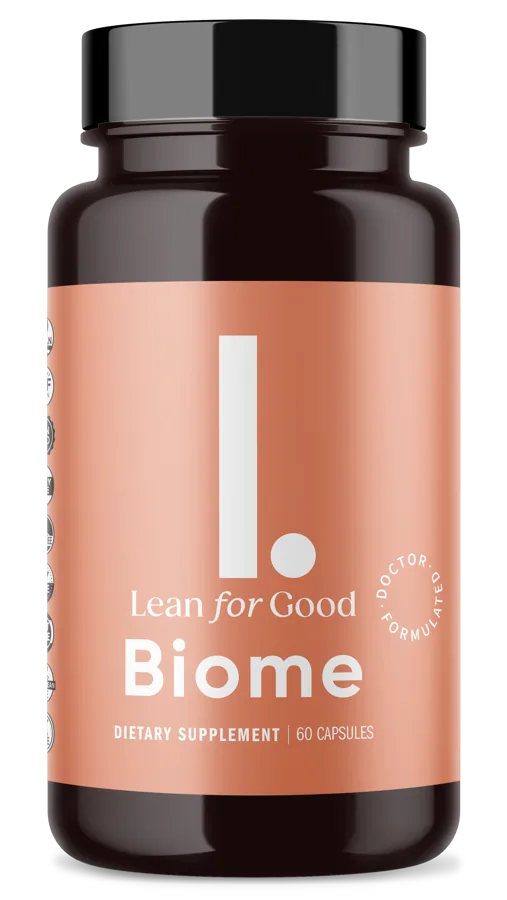
LeanBiome Review: Does This Probiotic Really Help With Belly Fat?
A multi-strain probiotic plus green tea extract capsule sold only through the official website, marketed for belly fat and weight loss; key clinical claims are overstated or unverified.
Read the reviewFrequently Asked Questions About Lactobacillus fermentum
Does Lactobacillus fermentum really work?
It depends on the strain and the goal. Some research on one strain, CECT5716, suggests fewer gut infections in infants and possible benefits for breast health in nursing mothers, but the studies are small. Evidence for weight loss or general wellness is early.
Is Lactobacillus fermentum safe?
For most healthy people, probiotics are generally well tolerated, with gas or mild digestive upset the most common complaint. Serious infections are rare but are a concern for people who are very ill or have weakened immune systems, and for premature infants. Talk to a doctor if you are in one of these groups.
Is Lactobacillus fermentum the same as Limosilactobacillus fermentum?
Yes. It is the same species, renamed in a 2020 update to bacterial classification. Both names appear on labels.
Can it help with weight loss?
We found no strong human trials showing that L. fermentum alone supports weight loss. Some multi-strain products include it, but results for a blend cannot be credited to one strain.
When should I take it?
There is no proven best time. Studies used set daily amounts of specific strains, and product instructions differ. Ask a doctor or pharmacist for personal advice, especially if you take medicines.
Sources
- Limosilactobacillus fermentum CECT5716: Clinical Potential of a Probiotic Strain Isolated from Human Milk — Nutrients (PMC)
- Probiotics: Fact Sheet for Health Professionals — NIH Office of Dietary Supplements
- What are probiotics and what do they do? — NIH Office of Dietary Supplements
- Immune and microbiome modulatory effects of Limosilactobacillus fermentum NCDC 400 in an immunocompromised mouse model — PubMed
Last reviewed: