L-Leucine: Benefits, Research & Safety
L-Leucine is an essential amino acid and one of the three branched-chain amino acids (BCAAs). People take it mainly to support muscle maintenance and recovery. Research on muscle protein synthesis is fairly consistent, but results for real-world muscle size and strength are mixed.
L-Leucine Ingredient Guide
Also known as: Leucine, L-leucine, Leu, BCAA (as one of the three branched-chain amino acids), 2-amino-4-methylpentanoic acid
- What it is
- L-Leucine is an essential amino acid, which means the body cannot make it and must get it from food. It is one of the three branched-chain amino acids, along with isoleucine and valine.
- What it does
- Leucine is thought to act as a signal that switches on the mTOR pathway, which helps muscle cells start building new protein. It is also a building block of proteins throughout the body.
- How it is used
- It is taken as a powder, capsule or added to protein and BCAA products, often around exercise or meals. Older adults and athletes are the groups most often studied.
- Natural sources and forms
- Food sources include meat, fish, eggs, dairy (especially whey) and soy. Supplements usually provide free-form L-leucine, often made by fermentation, or leucine blended into BCAA mixes (commonly 2:1:1 leucine to isoleucine to valine).
- Why it appears in formulas
- Makers add it to sports, recovery and healthy-aging products because of its role in muscle protein synthesis. It is also used to boost the leucine content of lower-protein blends.
- What to know before use
- Most people get leucine from a normal diet, and no official upper limit has been set for supplemental amounts. People with maple syrup urine disease or ALS, and those with kidney or liver disease, should talk with a doctor before using it.
What the Research Says
Overall: Moderate evidence
Leucine is one of the better-studied amino acids, but the evidence depends on what is measured.
Short-term studies measuring muscle protein synthesis rates are fairly consistent. A meta-analysis found leucine raised muscle protein synthesis in older people, and a later review found that the leucine dose tracked with the post-exercise response in older adults.
Longer trials that measure muscle mass and strength are less encouraging. A 2022 meta-analysis of 17 randomized trials found that leucine taken alone did not clearly improve muscle mass or strength in older adults. Combinations, such as leucine with vitamin D, or leucine with resistance training and enough total protein, looked more promising. These findings come from smaller trials that differ in dose, duration and population.
Much of the leucine story comes from mechanistic and acute studies. Evidence in younger, well-fed, trained people is weaker, because total daily protein intake and training matter more than adding an isolated amino acid. Overall, leucine may help signal muscle building, but it is not a proven stand-alone way to gain muscle.
| Studied for | What the research says | Evidence |
|---|---|---|
| Muscle protein synthesis | Short-term studies and a meta-analysis suggest leucine increases muscle protein synthesis in older adults. A later review found no clear leucine threshold in older adults. | Moderate evidence |
| Muscle mass and strength in older adults | A meta-analysis of 17 randomized trials found leucine alone did not clearly improve muscle mass or strength. Combining it with vitamin D showed benefits in handgrip strength and gait speed in one review. | Limited evidence |
| Sarcopenia (age-related muscle loss) with whey protein | Leucine-enriched whey protein has been studied in people with low muscle mass, with some promising results. Trials are small and vary in design. | Limited evidence |
| Exercise recovery in younger adults | Evidence that added leucine improves recovery or muscle gains in people who already eat enough protein is limited and inconsistent. | Early evidence |
Did you know? Leucine is mostly a signal, not just a building block
Leucine is one of the most abundant amino acids in muscle protein, but researchers are especially interested in its signaling role through the mTOR pathway. Whey protein is naturally rich in leucine, which is part of why it is so widely studied for muscle health.
Amounts Used in Studies
These are amounts researchers used, not dosing advice. Ask your doctor or pharmacist what is right for you.
| Form | Amount | Study context |
|---|---|---|
| Free-form L-leucine added to a meal or protein | About 2.5-5 g per serving | Acute and short-term studies of muscle protein synthesis, mostly in older adults |
| Leucine-enriched whey protein | About 2.5-3 g leucine per serving, as part of a protein dose | Trials in older adults with low muscle mass, often alongside vitamin D or exercise |
| High-dose safety testing | Intakes above about 500 mg per kg of body weight per day raised blood ammonia in short-term studies in young men | Research used to estimate a possible upper limit, not a recommendation |
Safety, Side Effects and Interactions
Leucine from food is safe for most people. Supplemental leucine at typical amounts has a good short-term record, and large amounts have mostly caused minor stomach symptoms such as nausea or vomiting in the small studies reported.
No national health agency has set a tolerable upper intake level for leucine because long-term human data are lacking. In short-term studies in young men, researchers estimated that intakes above about 500 mg per kg per day raised blood ammonia, and that intakes around 39 g per day or more could pose a risk. Germany's BfR has advised consumers to avoid high intakes of isolated BCAAs, saying the data are not sufficient to assess safety.
People with maple syrup urine disease cannot properly break down leucine, so it can build up and harm the nervous system. Health sources advise people with ALS to avoid supplemental BCAAs because of a possible link with worse lung outcomes. High doses of one amino acid can also compete with others for absorption, and long-term safety of isolated leucine is not well studied. Pregnant and breastfeeding people lack good safety data for supplements.
Possible interactions
- Diabetes medicines (insulin or glucose-lowering drugs): leucine may affect insulin and blood sugar, so ask a doctor or pharmacist.
- Levodopa for Parkinson's disease: BCAAs may compete with levodopa for absorption, which could weaken its effect.
- Glucocorticoids (steroid medicines): they may reduce the effect of BCAAs on protein.
- Other BCAAs and amino acids: large doses of isolated leucine may lower blood levels of isoleucine and valine.
Avoid it or ask a doctor first if
- You have maple syrup urine disease
- You have ALS (ask your neurologist first)
- You have kidney or liver disease
- You take diabetes medicines or levodopa
- You are pregnant or breastfeeding
- You are having surgery soon (ask your doctor)
Supplements We've Reviewed That Contain L-Leucine
Each review checks the full formula, price, refund policy and side effects.
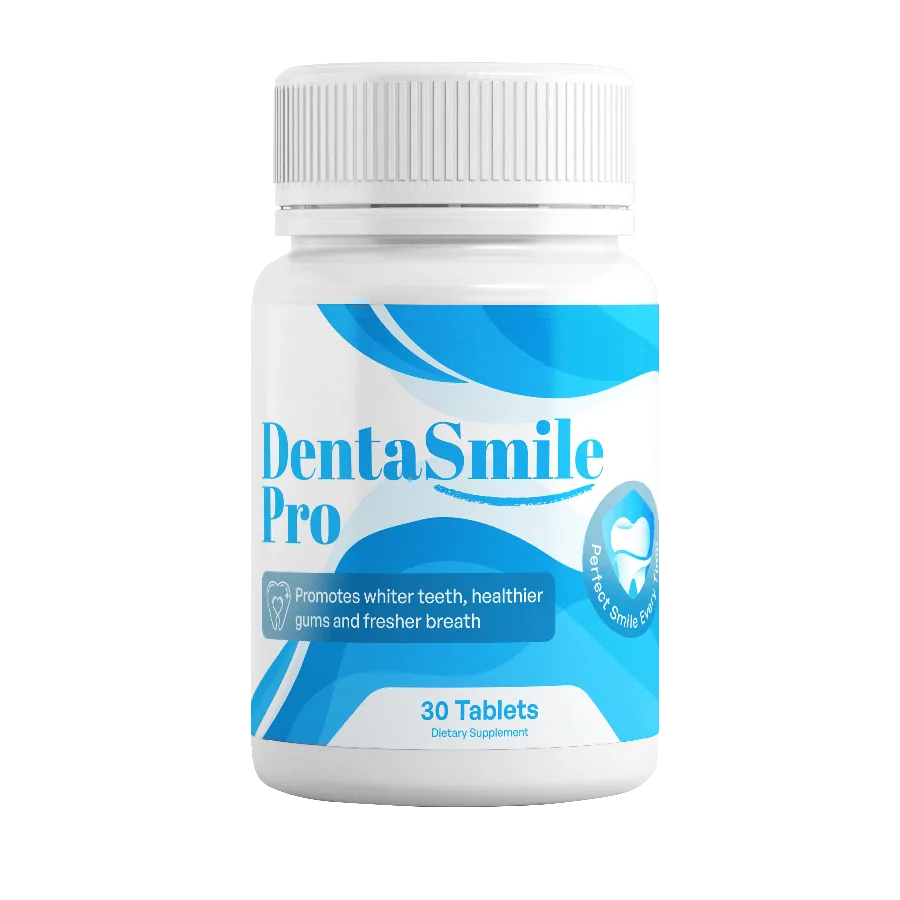
DentaSmile Pro Review: Does It Really Support Healthy Teeth and Gums?
Oral-health formula with 8 ingredients, sold only on the official website, with a stated 60-day refund.
Read the reviewFrequently Asked Questions About L-Leucine
Does L-Leucine really work?
Research suggests leucine can raise muscle protein synthesis in the short term, especially in older adults. Long-term trials looking at muscle mass and strength are mixed, and leucine alone has not clearly shown benefits. It may work best alongside enough total protein and resistance exercise.
Is L-Leucine safe?
Leucine from food is safe, and supplements appear well tolerated at moderate amounts in short-term studies. No official upper limit exists, and very high intakes have raised blood ammonia in research. People with maple syrup urine disease or ALS, or kidney or liver disease, should check with a doctor first.
How is leucine different from BCAAs?
Leucine is one of the three BCAAs, alongside isoleucine and valine. Most research suggests leucine is the main driver of the muscle-building signal, but BCAA products also contain the other two.
Can I get enough leucine from food?
Most people can. Meat, fish, eggs, dairy and soy are good sources, and whey protein is especially rich. A supplement may matter mainly for people who eat little protein, such as some older adults.
When do people take leucine?
In studies, leucine is often given with a meal or protein dose, or around exercise. Timing matters less than total daily protein and consistent training, and the research does not support one best schedule.
Sources
- Effectiveness of leucine on muscle protein synthesis, lean body mass and leg lean mass accretion in older people: a systematic review and meta-analysis — British Journal of Nutrition / PubMed
- Association of postprandial postexercise muscle protein synthesis rates with dietary leucine: A systematic review — PubMed
- Effects of leucine supplementation on muscle mass and strength in older adults: meta-analysis — Frontiers in Nutrition
- Determination of the tolerable upper intake level of leucine in acute dietary studies in young men — PubMed
- Tolerable Upper Intake Level for Individual Amino Acids in Humans: A Narrative Review of Recent Clinical Studies — PubMed
- Leucine — Memorial Sloan Kettering Cancer Center
Last reviewed: