Kudzu Flower: Benefits, Research & Safety
Kudzu flower is the dried bloom of the kudzu vine, used for centuries in traditional Chinese medicine, mainly after heavy drinking. Today it appears in some hangover and liver-support supplements. Most modern human research was done on kudzu root, not the flower, so the evidence for the flower itself is thin.
Kudzu Flower Ingredient Guide
Also known as: Ge Hua, Pueraria lobata flower, Pueraria montana var. lobata flower, Flos Puerariae
- What it is
- Kudzu flower is the dried flower of Pueraria lobata, a climbing vine native to East Asia that is now widespread in the southern US. It is called Ge Hua in traditional Chinese medicine.
- What it does
- Its isoflavones, such as tectoridin, are thought to influence how the liver handles alcohol and to act as antioxidants. Most of this comes from animal and lab studies. The isoflavones also have mild estrogen-like activity.
- How it is used
- It is traditionally brewed as a tea or taken as a powder or extract, often around drinking. Supplements usually offer capsules or extract blends.
- Natural sources and forms
- The flower is harvested and dried, then sold as whole flower, powder or a concentrated extract. Standardization varies by product, and clinical studies have mostly used standardized root extracts. One research group reported that some commercial kudzu products contained low isoflavone levels.
- Why it appears in formulas
- Makers add it to hangover, liver-support and 'morning after' blends because of its long traditional use for the aftermath of drinking. The marketing is ahead of the human evidence.
- What to know before use
- Do not treat kudzu as a way to make drinking safe. If you take medicines, especially methotrexate, diabetes drugs, blood thinners or hormone-related drugs, or if you have liver disease, talk to a clinician or pharmacist first.
What the Research Says
Overall: Limited evidence
The human research on kudzu is small, and most of it used kudzu root extract, not the flower. A few small trials in people who drink heavily looked at a single dose or a short course of a standardized root extract and reported reduced drinking in a lab setting. Those results have not been shown to carry over to flower products.
For the flower specifically, the evidence is mainly traditional use plus animal and test-tube work. For example, a mouse study found that tectoridin, an isoflavone from the flower, was linked to less alcohol-induced fat build-up in the liver. Animal results often do not hold up in people.
Other gaps: product potency varies, studies are short, and long-term safety is not well established. Overall the picture is plausible but unproven for the flower. Nothing here shows that kudzu flower prevents or treats hangovers, alcohol use disorder or liver damage.
| Studied for | What the research says | Evidence |
|---|---|---|
| Hangover (traditional use) | Kudzu flower is a traditional remedy for hangover symptoms such as headache, thirst and nausea. Controlled human trials of the flower are lacking. | Early evidence |
| Alcohol intake | Small human trials of kudzu root extract in people who drink heavily reported reduced drinking in short lab-style sessions. These results are not proven for the flower. | Limited evidence |
| Liver protection | A mouse study of the flower isoflavone tectoridin found less alcohol-induced fat accumulation in the liver. No comparable human data exist. | Early evidence |
| Antioxidant activity | Isoflavones in kudzu show antioxidant effects in lab studies. It is unclear whether this has any meaningful effect in people. | Early evidence |
Did you know? A weed with a long medical history
Kudzu was introduced to the US in the late 1800s as an ornamental and erosion-control plant and is now known as 'the vine that ate the South'. In China the flower and root have been used in herbal medicine for centuries, with the flower traditionally reserved for the morning after drinking.
Amounts Used in Studies
These are amounts researchers used, not dosing advice. Ask your doctor or pharmacist what is right for you.
| Form | Amount | Study context |
|---|---|---|
| Standardized kudzu root extract (isoflavones) | Varied by trial, often several hundred mg per day or a single dose | Small human studies in people who drink heavily, lasting from one session to a few weeks; flower extracts were not the main form tested |
| Dried flower in traditional preparations | No well-established amount from clinical trials | Traditional use as tea or decoction; not validated in controlled human studies |
Safety, Side Effects and Interactions
Kudzu is believed to be reasonably safe in food amounts, and studies of standardized root extract in adults reported few side effects and good tolerability. Safety for long-term use of concentrated flower products has not been well studied.
Because kudzu isoflavones have estrogen-like and anti-estrogen activity, people with hormone-sensitive conditions should be cautious. Safety in pregnancy, breastfeeding, young children and people with severe kidney or liver disease has not been established. A few isolated reports of liver problems exist, but a clear causal link has not been shown, and some consumer monographs advise people with liver disease to avoid it.
Kudzu may lower blood sugar and may slow blood clotting, according to secondary monographs. Mixed-quality products are another risk, since isoflavone content varies. Stop use and seek care if you notice jaundice, dark urine, unusual bruising or bleeding, or severe stomach upset.
Possible interactions
- Methotrexate: a rat study reported a dangerous interaction with kudzu root extract, and sources advise avoiding the combination.
- Diabetes medicines: kudzu might lower blood sugar further, raising the risk of low blood sugar.
- Blood thinners and antiplatelet drugs: it may add to bleeding or bruising risk.
- Tamoxifen and hormone therapies: kudzu's estrogen-like isoflavones may interfere.
- Drugs processed by liver enzymes (cytochrome P450): kudzu may alter their levels, so ask a pharmacist.
- Alcohol: kudzu does not make drinking safe, and combining it with drinking offers no protection.
Avoid it or ask a doctor first if
- Pregnant, breastfeeding or trying to conceive
- Have liver disease or a history of liver problems
- Have a hormone-sensitive condition (such as some breast, uterine or ovarian cancers)
- Take methotrexate
- Take diabetes medicines or blood thinners without medical advice
- Have a scheduled surgery within about two weeks
- Have severe kidney disease
- Give to children
Supplements We've Reviewed That Contain Kudzu Flower
Each review checks the full formula, price, refund policy and side effects.

Phytomem One Review: Is It Legit or Just Hype?
A 10-ingredient memory and brain-support supplement sold only through the official website, built around claims about microplastics and 'Type 3 Diabetes'.
Read the review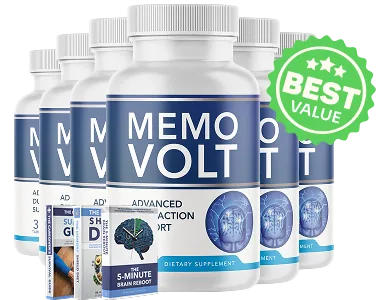
MemoVolt Review: Does It Really Support Healthy Memory?
A multi-ingredient brain and memory supplement sold on the official website, with bundles from 2 to 6 bottles and a 60-day money-back guarantee.
Read the reviewFrequently Asked Questions About Kudzu Flower
Does kudzu flower really work?
The evidence is limited. Kudzu flower has a long traditional use for hangovers, but controlled human trials of the flower are lacking. Most human research used kudzu root extract, with small studies and mixed relevance to flower products.
Is kudzu flower safe?
It appears reasonably safe in food amounts and short-term studies of root extract reported few side effects. Long-term safety of flower extracts is not well studied, and it can interact with some medicines such as methotrexate. Pregnant or breastfeeding women and people with liver disease should avoid it.
Is kudzu flower the same as kudzu root?
No. Both come from the same plant, but they differ in isoflavone makeup. The flower contains compounds such as tectoridin, while the root is rich in puerarin and daidzin. Most clinical studies used root extracts, so root results should not be assumed to apply to the flower.
Can kudzu flower prevent a hangover?
There is no good human evidence that it prevents or cures hangovers. Support comes from tradition and animal studies. Drinking less, eating, and staying hydrated are more reliable, and no supplement makes heavy drinking safe.
Does kudzu flower affect hormones?
Kudzu isoflavones have estrogen-like and anti-estrogen activity in lab studies. This is why people with hormone-sensitive conditions, or those taking drugs like tamoxifen, should talk with a clinician before using it.
Sources
- Kudzu research record (PubMed 20637825) — PubMed, National Library of Medicine
- Kudzu research record (PubMed 15298764) — PubMed, National Library of Medicine
- Kudzu research article (PMC4510012) — PubMed Central
- Kudzu research article (PMC7434045) — PubMed Central
- Kudzu's therapeutic uses — EBSCO Research Starters
- Kudzu with methotrexate sodium interaction — HelloPharmacist
Last reviewed: