Itadori: Benefits, Research & Safety
Itadori is the Japanese name for Japanese knotweed (Reynoutria japonica, also called Polygonum cuspidatum). Its root is a major commercial source of resveratrol, and supplement makers use it for that reason. Most human research is on isolated resveratrol, not on whole itadori root.
Itadori (Japanese Knotweed) Ingredient Guide
Also known as: Japanese knotweed, Reynoutria japonica, Polygonum cuspidatum, Fallopia japonica, Hu zhang, Resveratrol root extract
- What it is
- Itadori is a fast-spreading perennial plant. Its root has long been used in traditional Asian herbal medicine, and it contains stilbenes such as resveratrol and polydatin, and anthraquinones such as emodin.
- What it does
- Resveratrol is studied for antioxidant and cell-signaling effects, mostly in lab and animal work. Emodin and related anthraquinones can act as stimulant laxatives, which is why the whole root can affect the gut.
- How it is used
- It is sold as capsules or powdered root extract, usually standardized to a resveratrol percentage. It is often used as a resveratrol ingredient in blends.
- Natural sources and forms
- The root is the main part used. Extracts are often standardized to 20% to 98% resveratrol, and some are processed to reduce emodin. Products labeled "knotweed" may instead come from a related species (Polygonum aviculare) that has little resveratrol.
- Why it appears in formulas
- Makers add it as a plant-based resveratrol source for heart, healthy-aging and antioxidant blends. It also lets labels list a traditional botanical.
- What to know before use
- Check the label for the extract type and resveratrol content. Talk to a clinician first if you take blood thinners or other prescription drugs, are pregnant or nursing, or have liver problems.
What the Research Says
Overall: Limited evidence
The human evidence for itadori itself is very thin. Databases such as Examine.com and WebMD report few or no well-designed trials of the whole root, and WebMD says benefits for most uses are not well defined. A small number of studies have used knotweed extract standardized for resveratrol.
Most of what is known comes from research on purified resveratrol. Those trials are many but varied. They differ in dose, which ranged from about 20 mg to 5 g a day, in length and in the people studied. Many are small and short. LiverTox notes that many trials did not report side effects or liver tests well. Results for blood sugar, blood pressure and cholesterol are mixed. Much of the interest in other areas comes from cell and animal studies, which cannot show that a supplement works in people.
The emodin and other anthraquinone content of the root is studied mostly in the lab. Because the amounts of resveratrol and emodin vary between products, results from one product may not apply to another. Overall, the evidence is limited.
| Studied for | What the research says | Evidence |
|---|---|---|
| Resveratrol content | The root is a leading natural source of resveratrol, and extracts are often standardized to it. Human findings on resveratrol itself do not automatically apply to whole-root products. | Moderate evidence |
| Cardiometabolic markers | Trials of purified resveratrol on blood sugar, blood pressure and lipids give mixed results. Trials of itadori root itself are very few. | Limited evidence |
| Gut effects (emodin) | Emodin and related anthraquinones have laxative activity, mainly shown in lab and traditional-use contexts. This may cause cramping or loose stools. | Limited evidence |
| Antioxidant and anti-aging claims | Most support comes from cell and animal studies. Human evidence that it slows aging is lacking. | Early evidence |
Did you know? A plant that is also a famous invader
Itadori (Japanese knotweed) is a notorious invasive weed in the US and Europe, yet its roots are a major commercial source of resveratrol. Its Japanese name is often said to mean "pain remover", reflecting its long use in folk medicine, but this is a traditional use and not proof that it works.
Amounts Used in Studies
These are amounts researchers used, not dosing advice. Ask your doctor or pharmacist what is right for you.
| Form | Amount | Study context |
|---|---|---|
| Knotweed extract standardized to resveratrol | About 200 mg/day of extract (about 40 mg resveratrol) | A small human study reported by Examine.com. Evidence is very limited. |
| Purified resveratrol (not whole root) | About 20 mg to 5 g/day | Range across human trials, per LiverTox. Longer-term safety is unclear at higher amounts. |
| Commercial extract (vendor labels) | About 200 to 500 mg/day | Typical label amounts, not clinical recommendations. |
Safety, Side Effects and Interactions
The FDA has not reviewed knotweed for safety or effectiveness, and long-term safety data in people are limited. Short-term resveratrol use in studies is often well tolerated. Reported side effects at higher amounts include nausea, stomach upset and diarrhea.
The emodin in the root is a stimulant-laxative compound. It may cause cramps and loose stools, and heavy or prolonged use of anthraquinone laxatives can lead to electrolyte loss. LiverTox lists the related herb Polygonum multiflorum as a cause of herbal liver injury, with anthraquinones among the suspected compounds. That is a different species. It is not proof that itadori causes the same harm, but it is a reason for caution with liver disease. LiverTox also notes that many resveratrol trials did not track liver problems well.
MedlinePlus says resveratrol might slow clotting and raise bleeding risk, and advises stopping at least 2 weeks before surgery. There are not enough safety data for pregnancy or breastfeeding.
Possible interactions
- May add to the effects of blood thinners such as warfarin, and of antiplatelet drugs and NSAIDs, which raises bleeding risk.
- Resveratrol affects some liver (CYP) enzymes and slowed clearance of diclofenac in healthy volunteers, and raised carbamazepine levels in one study.
- Anthraquinone content may add to the effects of laxatives and diuretics, and to potassium loss, which matters for heart medicines such as digoxin.
- Resveratrol may interact with estrogen-containing drugs or hormone-sensitive treatments, according to LiverTox.
- Ask a pharmacist before combining it with any prescription drug.
Avoid it or ask a doctor first if
- Pregnant or breastfeeding
- Taking blood thinners or having a bleeding disorder
- Scheduled for surgery within 2 weeks
- Liver disease or abnormal liver tests
- Hormone-sensitive conditions, unless cleared by a doctor
- Chronic diarrhea, bowel obstruction or inflammatory bowel disease
- Allergy to knotweed or related plants
Supplements We've Reviewed That Contain Itadori (Japanese Knotweed)
Each review checks the full formula, price, refund policy and side effects.
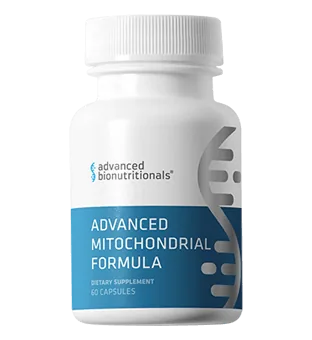
Advanced Mitochondrial Formula Review: Is It Legit and Does It Work?
A mitochondria-focused supplement with niacinamide, D-ribose, PQQ and eight other nutrients, sold on the official website with a 90-day refund offer.
Read the reviewFrequently Asked Questions About Itadori (Japanese Knotweed)
Does Itadori really work?
Research is limited. Most human studies are of purified resveratrol, not itadori root, and the results are mixed. Claims about aging or disease are not supported by solid human evidence.
Is Itadori safe?
Short-term use at label amounts is generally tolerated, but long-term data are limited. Side effects can include stomach upset and loose stools, and it may interact with blood thinners and other drugs. Ask a clinician first if you take medicines or have a health condition.
Is itadori the same as resveratrol?
No. Itadori is the plant, and resveratrol is one compound in it. The root also contains polydatin and anthraquinones like emodin, so its effects can differ from those of purified resveratrol.
Why does the root cause loose stools in some people?
Emodin and related anthraquinones can stimulate the bowel and have laxative activity. Extracts that are highly standardized for resveratrol may contain less of them, but this varies by product.
Can I take it with medications?
It may interact with blood thinners, some drugs processed by liver enzymes, and laxatives or diuretics. Check with a pharmacist or doctor before combining it with any medicine.
Sources
- Knotweed — WebMD
- Japanese Knotweed — Examine
- Resveratrol — LiverTox, NCBI Bookshelf
- Drug interaction potential of resveratrol — PubMed
- Polygonum multiflorum — LiverTox, NCBI Bookshelf
Last reviewed: